If you're working with ceramic materials—whether it’s porcelain tiles, glazed brick, or engineered stone—you know that cutting efficiency and blade longevity directly impact your project timeline and cost control.
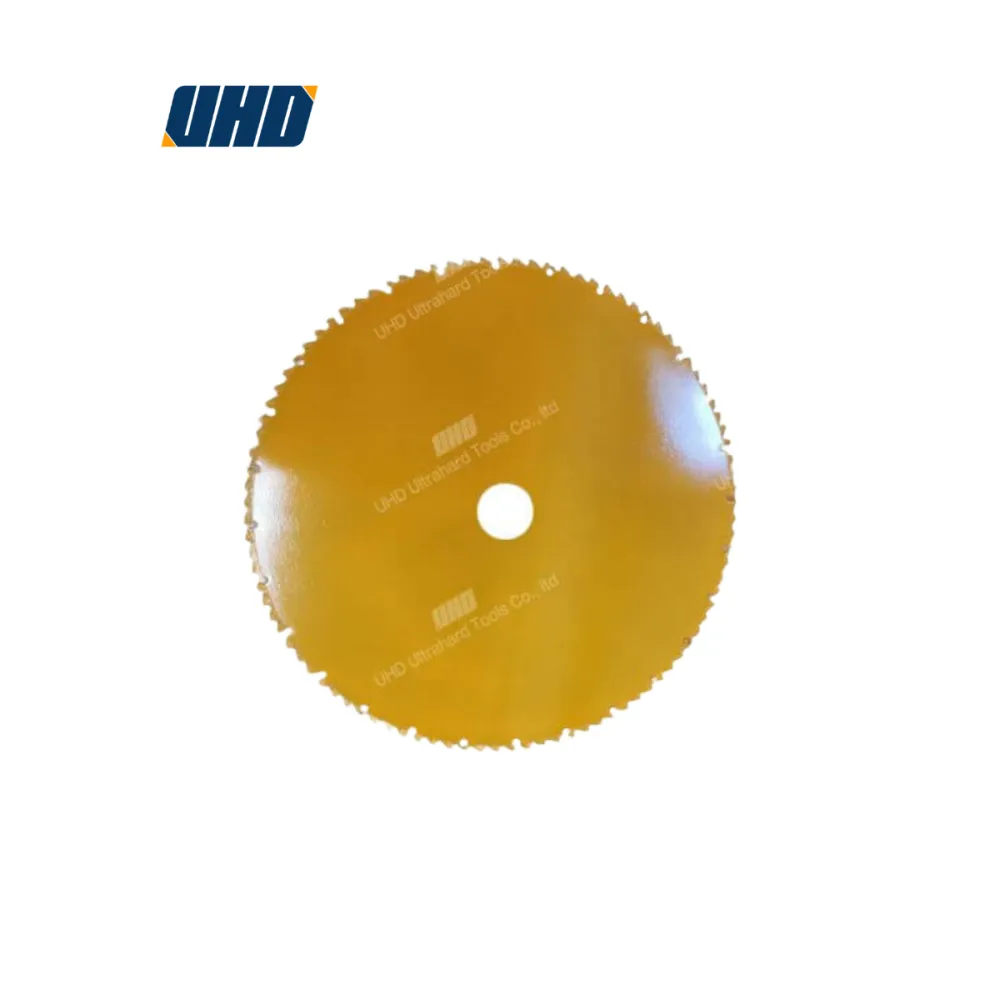
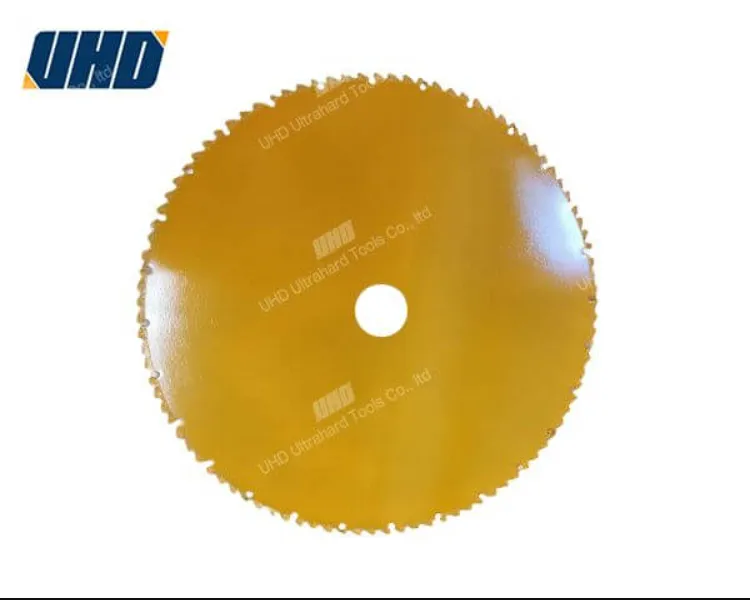
The 400H brazed diamond blade isn’t just another tool—it’s engineered for ceramic-specific challenges. With premium-grade synthetic diamonds (typically 40–60 carat per mm²) bonded via high-temperature silver-based brazing, this blade delivers consistent performance under thermal stress. Unlike sintered blades, which can delaminate after repeated heating cycles, 400H maintains structural integrity even at speeds up to 6,000 RPM.
“After switching to 400H blades, our team saw a 35% reduction in blade changes during tile installation projects.” — Mark T., Procurement Manager, Global Tile Solutions Inc.
Ceramics are notoriously tough—not only because of their hardness (Mohs scale ~6–7), but also due to their brittleness and sensitivity to heat-induced micro-cracks. Standard blades often cause chipping, excessive vibration, or premature wear. That’s where 400H shines:
| Application Type | Recommended Blade Thickness | Cutting Mode | Best Use Case |
|---|---|---|---|
| Porcelain Tiles (10–15mm) | 3.2mm | Wet Cutting | High-volume installations |
| Glazed Bricks / Terracotta | 2.8mm | Dry Cutting | On-site masonry work |
| Vitrified Tiles (Harder) | 3.5mm | Wet or Dry | Commercial flooring contractors |
Remember: durability isn’t just about how long a blade lasts—it’s about minimizing downtime, reducing waste, and maintaining precision across thousands of cuts. That’s why we say it loud and clear: “Durable is not optional—it’s essential.”
Get expert guidance tailored to your project specs — no more guesswork, just better results.
Download Our Free 400H Selection Guide Now