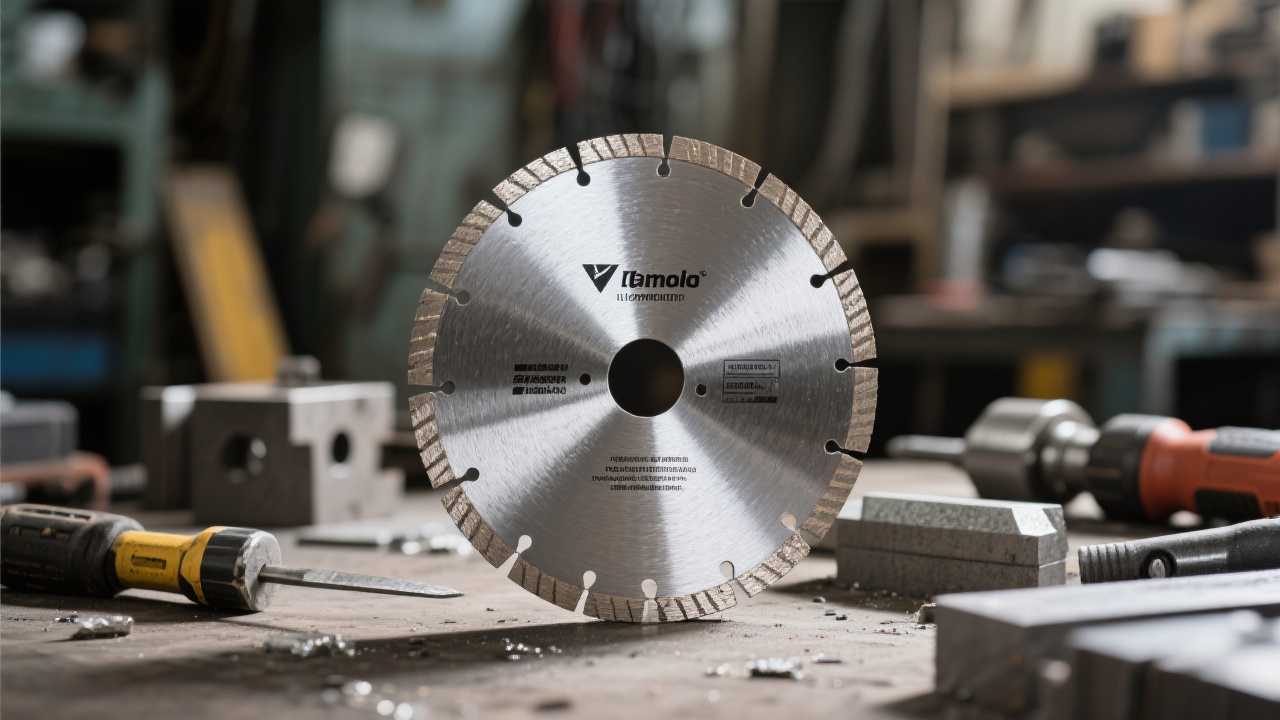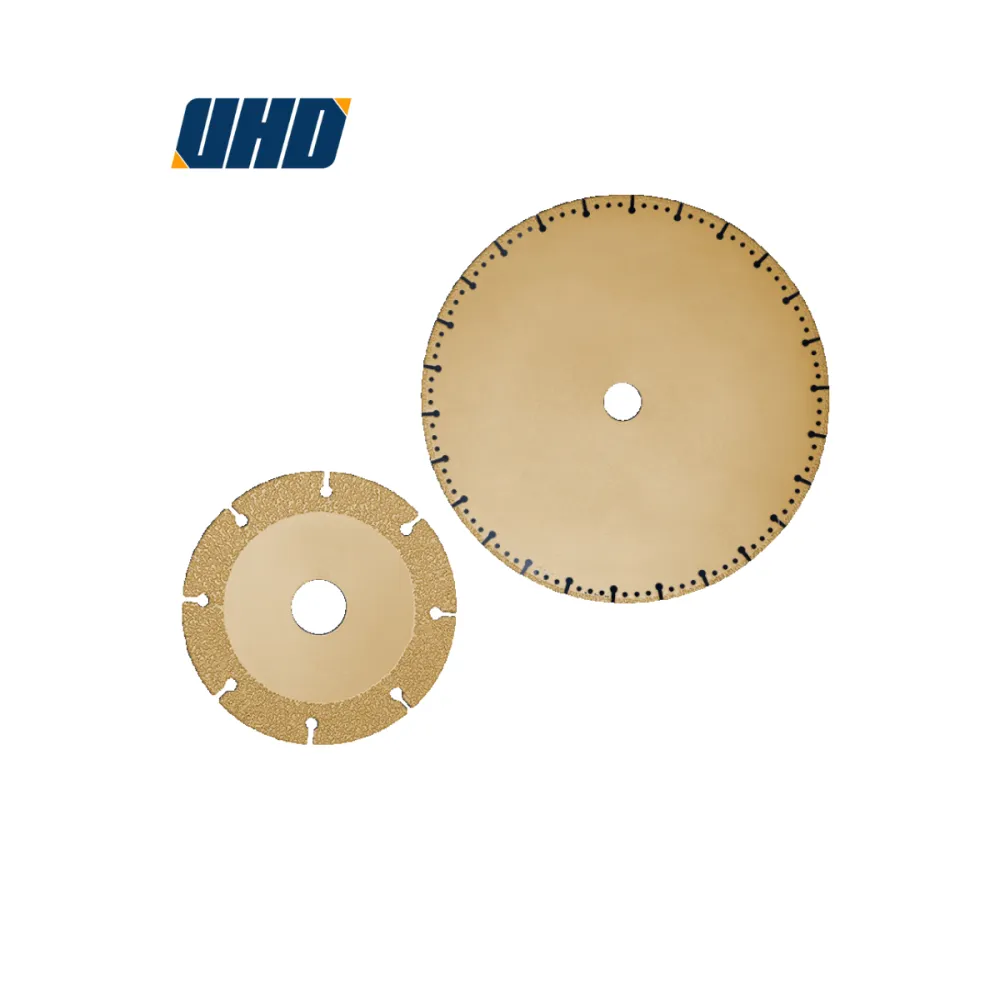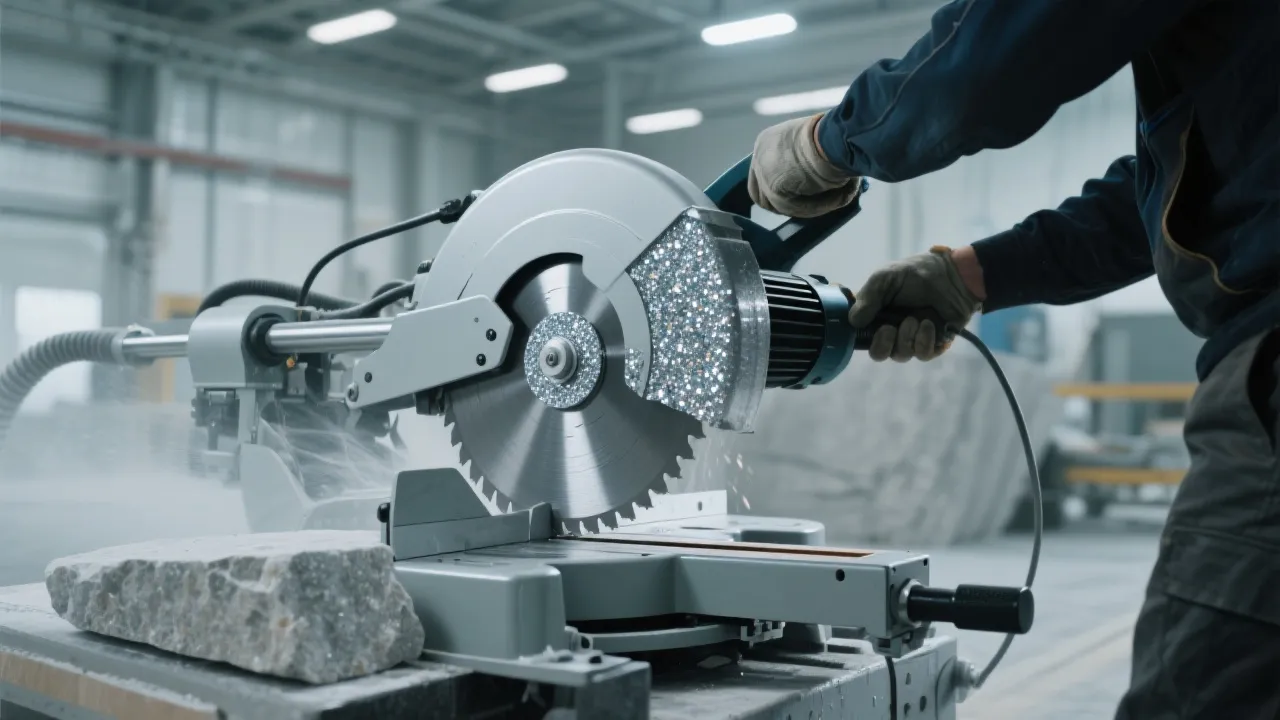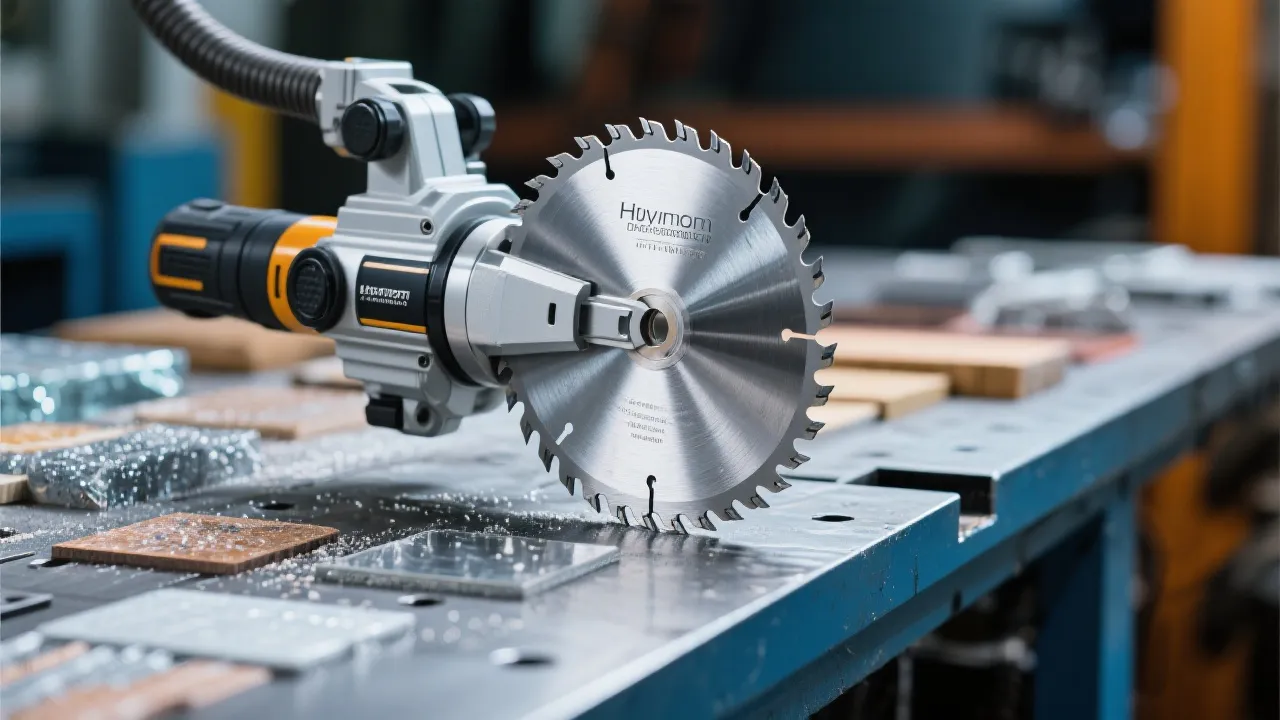
Brazed diamond blades represent a pivotal advancement in cutting technology, especially for ultra-hard materials such as granite, marble, and concrete. This article provides an in-depth exploration of the brazing process that affixes diamond particles firmly onto the blade core, the structural innovations designed to control vibration and dissipate heat, as well as comparative insights that highlight why brazed diamond blades outperform alternative cutting tools in professional applications.
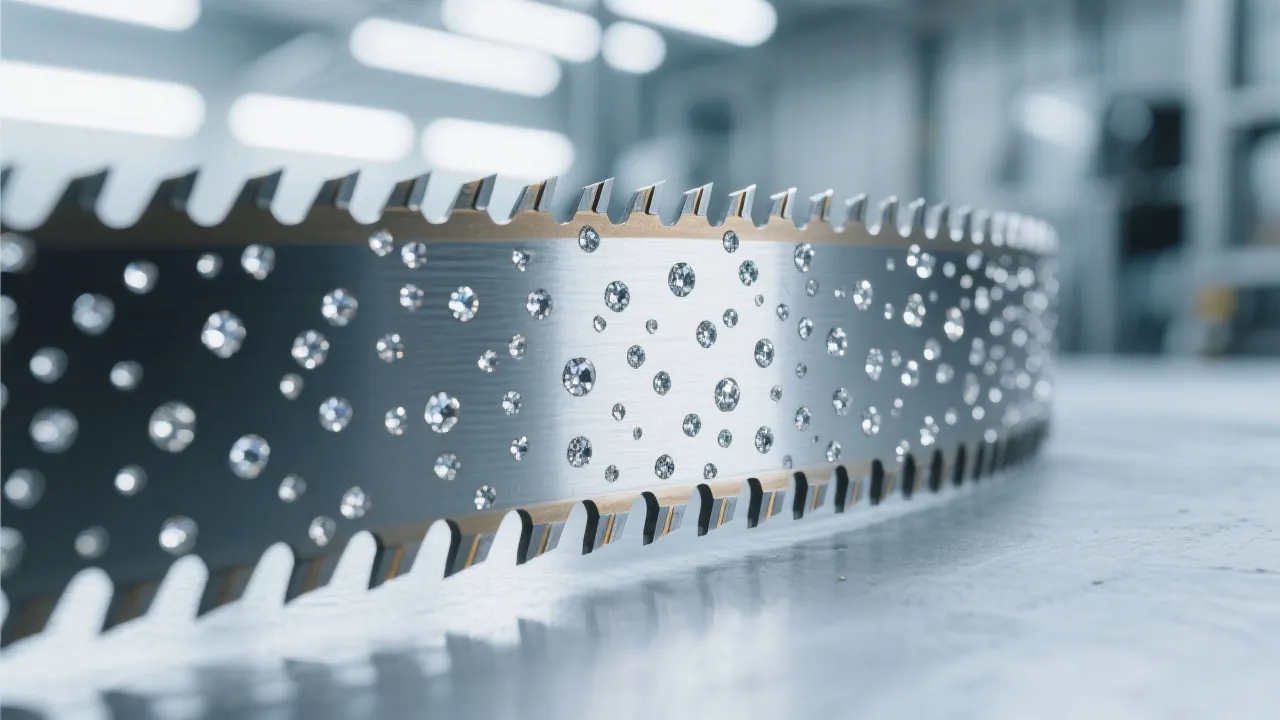
Brazing is a high-temperature metallurgical process that joins diamond abrasive particles to the steel blade through a strong metallic alloy, typically containing copper and silver. Unlike sintered or electroplated alternatives, brazing achieves a uniformly strong bond that maximizes diamond retention, ensuring consistent sharpness throughout the blade's lifespan.
During brazing, temperatures range from approximately 700°C to 900°C. This heat melts the brazing alloy but preserves the diamond’s structural integrity, which can sustain up to around 3550°C. The precise control of these conditions promotes optimal adhesion without degrading diamond grit, crucial for maintaining effective cutting edges that resist premature wear.
The physical design of brazed diamond blades plays a decisive role in cutting stability and operational safety. Advanced engineering incorporates strategically placed damping slots and reinforced core materials to significantly minimize vibrations during high-speed rotation—vibrations that otherwise compromise cut precision and accelerate tool fatigue.
Moreover, efficient heat dissipation mechanisms embedded in the blade structure prevent thermal damage to both the diamond segments and the workpiece. Since excessive heat can degrade the brazing alloy and cause premature diamond failure, heat diffusion features extend blade life and maintain cutting performance. For example, specialized ventilation holes and copper alloy inserts reduce peak temperatures by up to 25% during sustained cutting tasks.
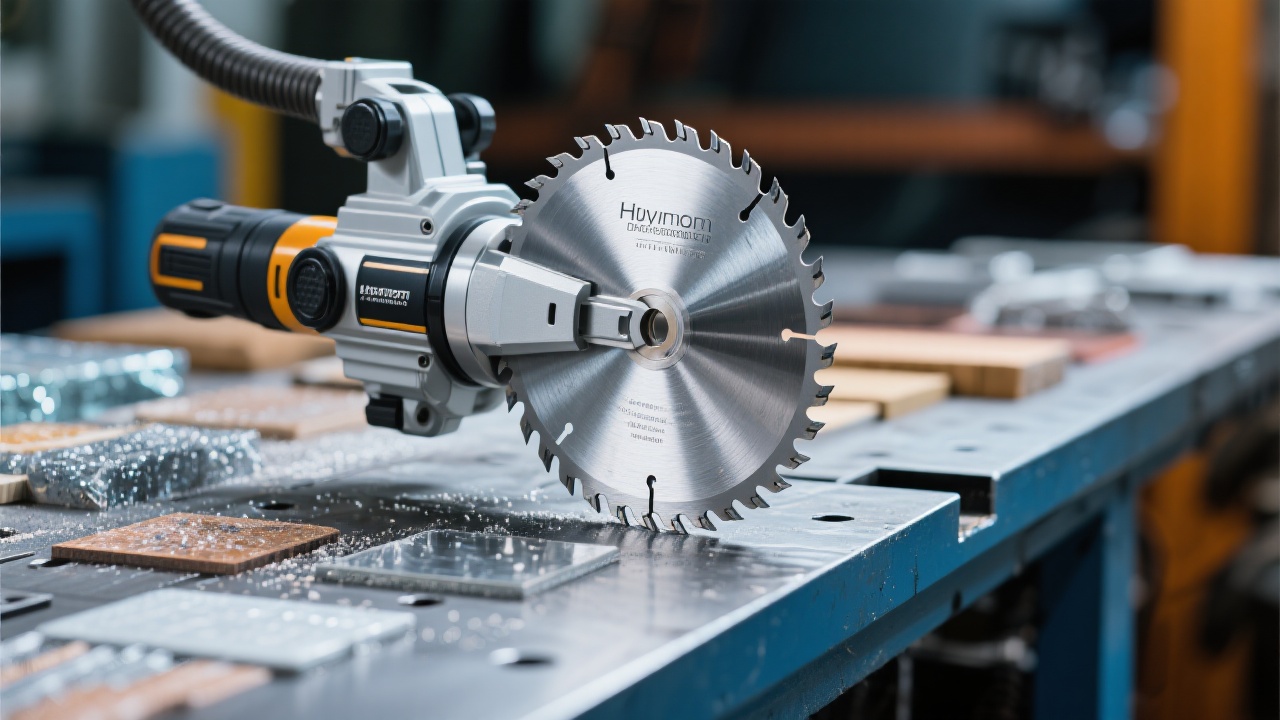
Brazed diamond blades excel in cutting dense and abrasive materials. In practical industry tests, these blades demonstrate a 15%-30% increase in cutting speed and a 20%-40% longer service life compared to traditional electroplated or sintered diamond blades, particularly in materials like granite and reinforced concrete.
The uniform diamond clustering provides consistent contact and reduces chipping on fragile materials such as porcelain tiles, making brazed blades highly versatile. Additionally, their robust build tolerates high-torque operations without segment loss, thus improving safety and reducing downtime.
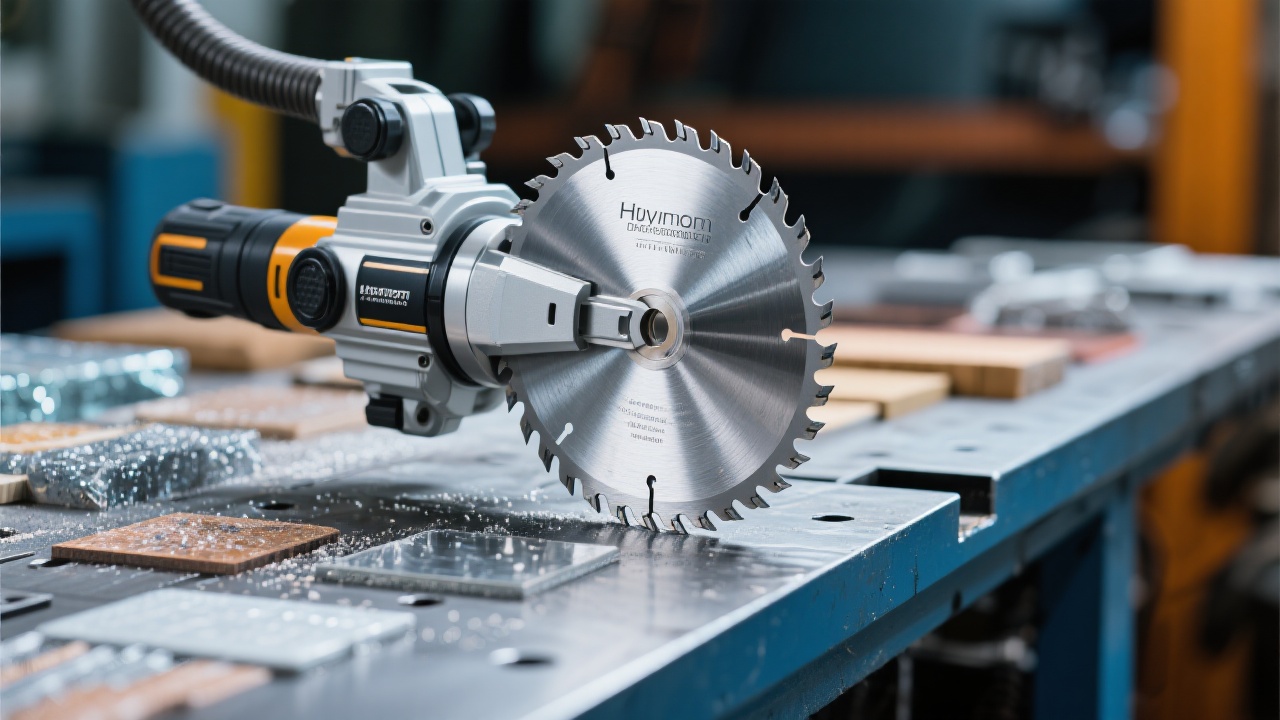
When selecting a brazed diamond blade for professional applications, it is vital to evaluate parameters including diamond grit size, blade thickness, and brazing alloy composition according to the target material’s hardness and cutting environment.
Additionally, employing appropriate cooling techniques such as wet cutting will further prolong blade life and optimize performance. Regular inspection for segment wear and timely replacement based on visual and performance indicators are recommended for maintenance excellence.