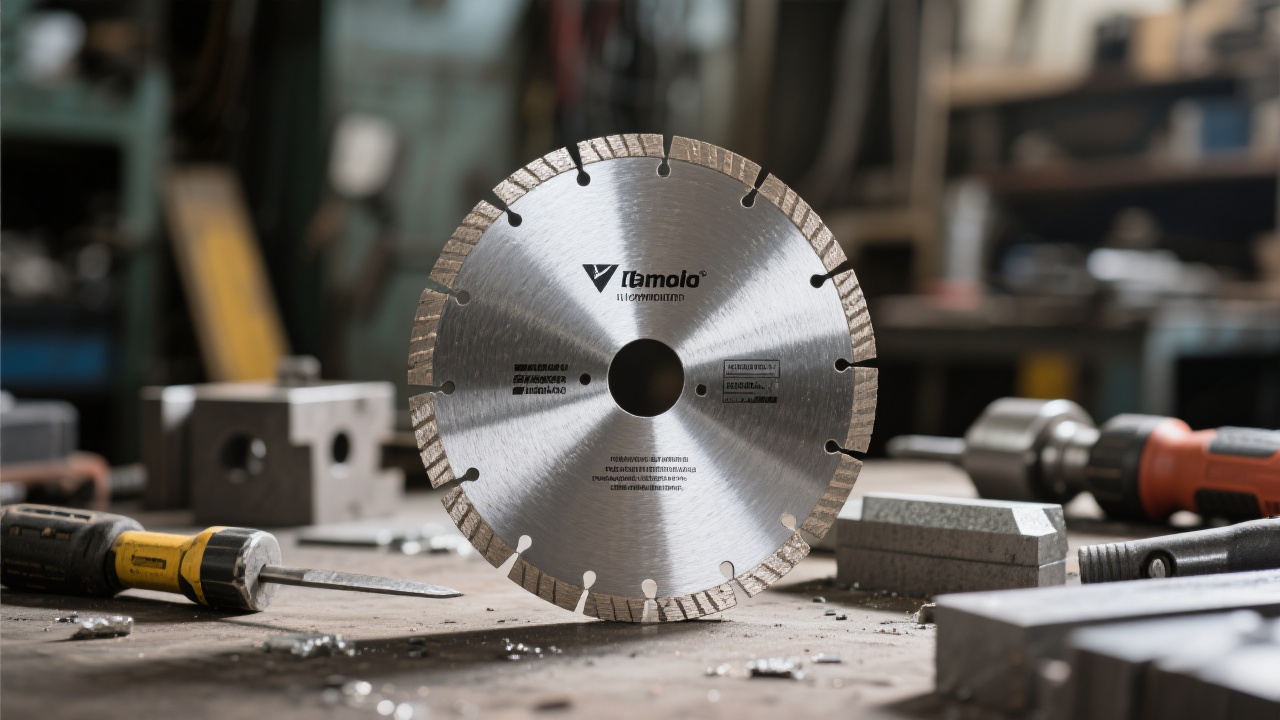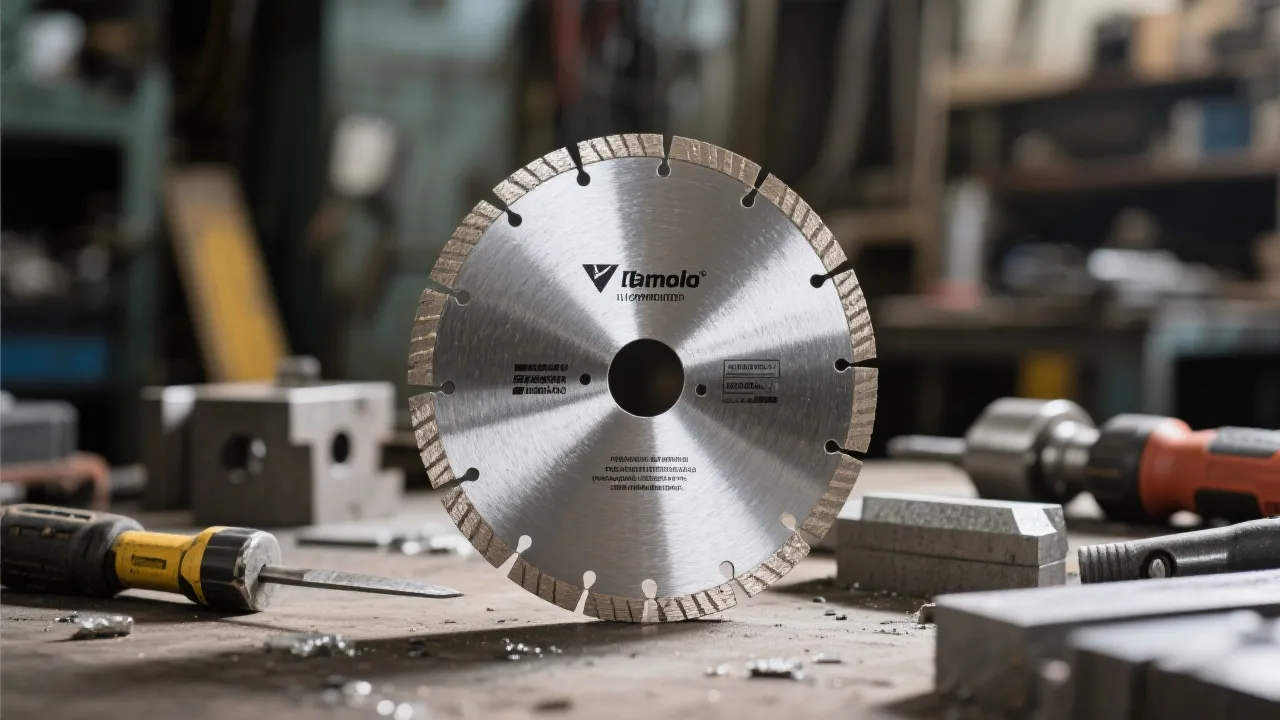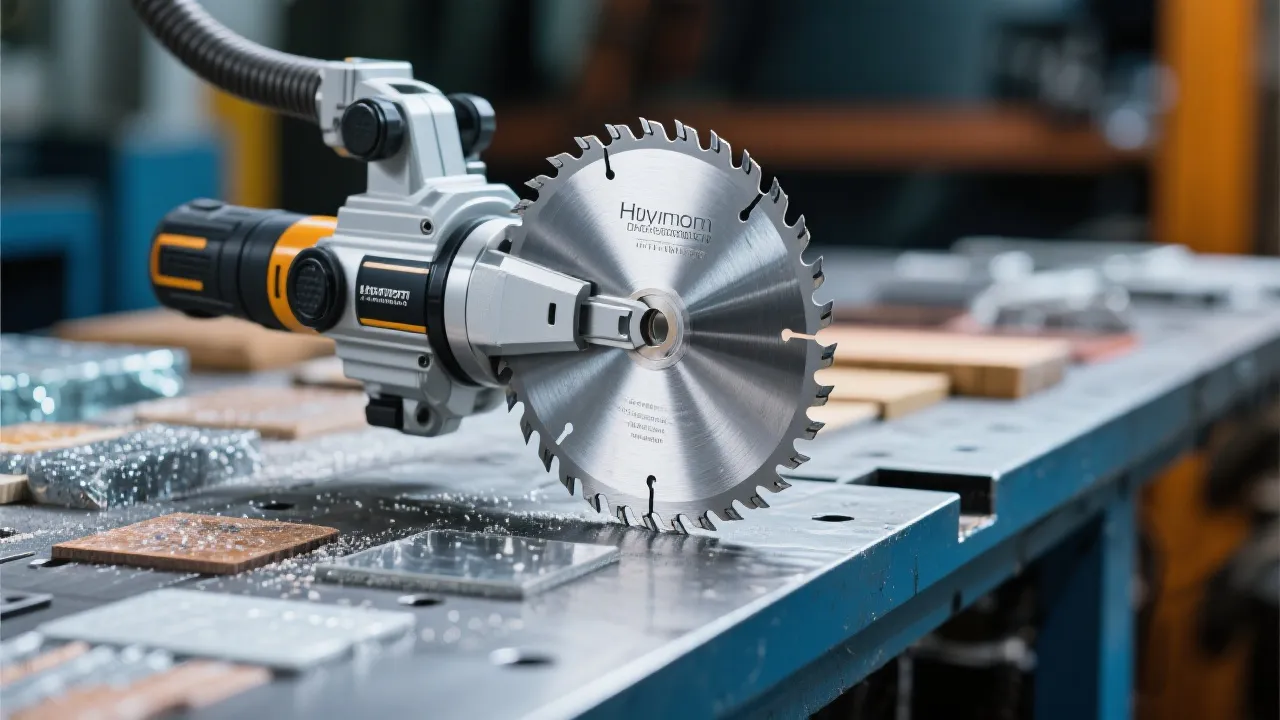
Brazed diamond blades, such as the Youde 400H series, represent the pinnacle of cutting technology for hard materials including concrete, natural stone, and tiles. Their superior design and bonding techniques enable efficient, precise, and durable cutting solutions. This article delves into the critical technologies behind brazed diamond blades, offering actionable insights for professionals aiming to optimize performance, extend blade longevity, and ensure safe operations on site.
The brazed diamond blade employs a metallurgical bonding method that fuses synthetic diamonds directly onto the metal core without an intermediate matrix. This creates a highly wear-resistant cutting edge with improved heat dissipation and structural integrity.
Effective cutting relies on matching the blade's characteristics to the material's hardness, abrasiveness, and thermal conductivity. For instance:
Incorrect matching often results in premature blade wear or suboptimal cut quality. The Youde 400H blade’s optimized diamond grade and brazing technique address these challenges through enhanced durability — because durability is the real deal.
Controlling cutting parameters plays a pivotal role in maximizing blade life and cutting precision:
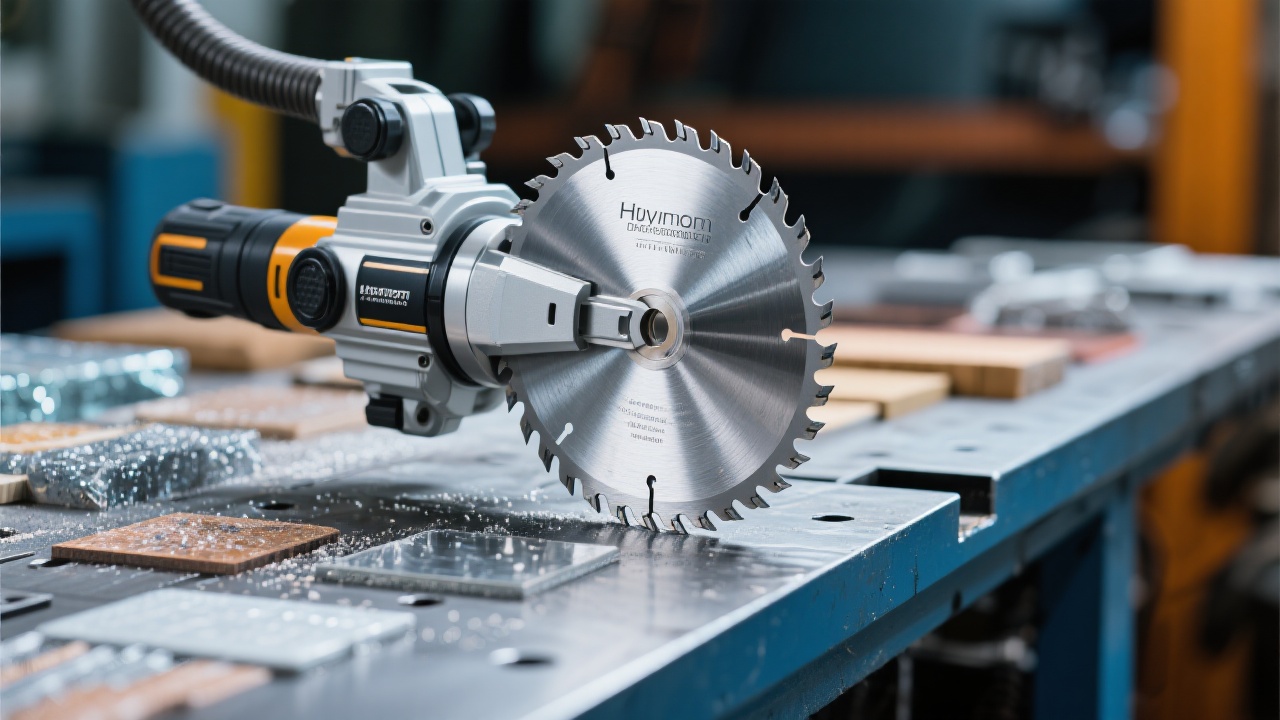
Speed: Operating speeds between 30 to 50 meters per second generally balance efficient material removal with minimal heat buildup. Speeds above this range can cause excessive friction, whereas slower speeds prolong cutting time and reduce productivity.
Pressure: Applying moderate feed pressure avoids blade overload. Excessive force leads to blade deformation and diamond dislodgement, while insufficient pressure results in poor penetration and glazing.
For example, when cutting concrete, a feed pressure of ~5-7 kg/cm² coupled with 40 m/s blade speed achieves optimal results on the Youde 400H.
Heat generation is inevitable during high-speed cutting. Proper cooling reduces thermal stress, preventing blade warping and diamond degradation:
The Youde 400H blade’s brazed joint is engineered to withstand thermal cycling, making it a reliable option in both wet and dry applications — enhancing versatility on varied job sites.
Consistent maintenance not only improves cut quality but ensures operator safety:
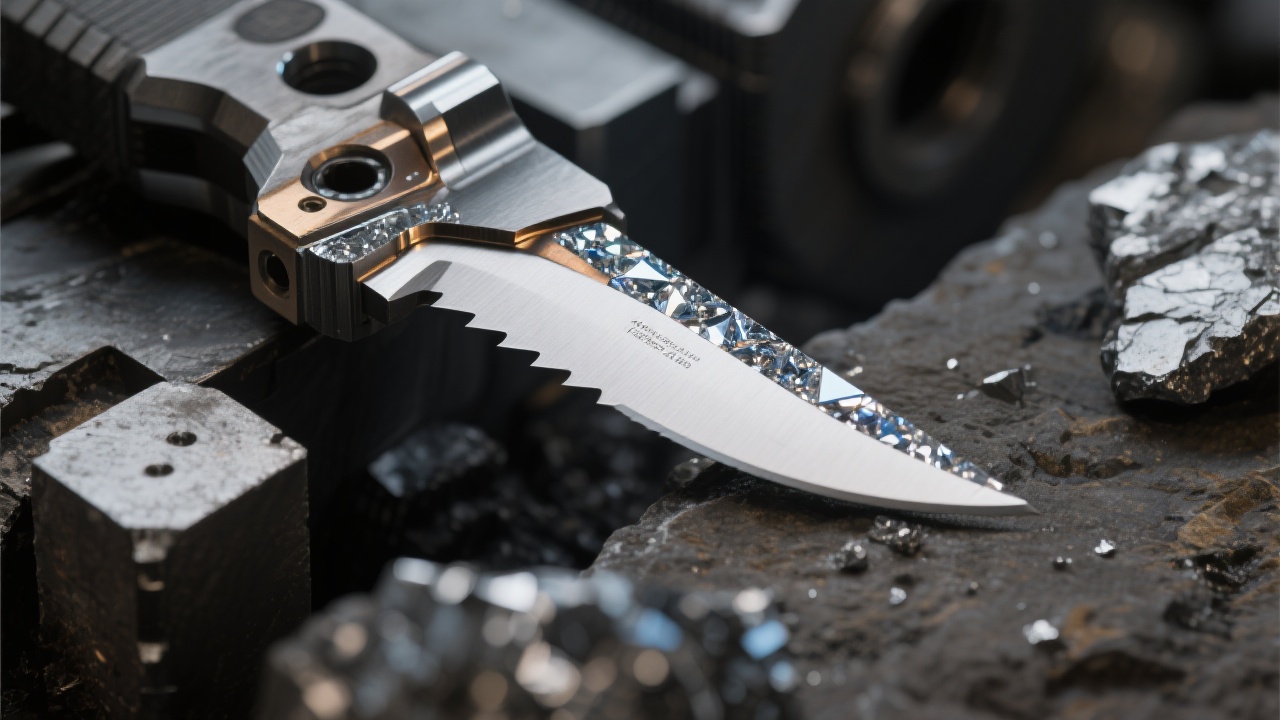
1. Concrete Cutting: On a large-scale urban infrastructure project, employing Youde 400H blades with wet cooling reduced blade wear by 30% and increased cutting precision by 25%, compared to traditional sintered blades.
2. Natural Stone Fabrication: For granite slab cutting, controlled feed and speed settings preserved diamond integrity, extending blade life by 40%, critical for cost-efficiency in high-throughput shops.
3. Tile Manufacturing: Precision cutting with lowered speed settings reduced microcracking of ceramic tiles, improving yield rates in production lines.