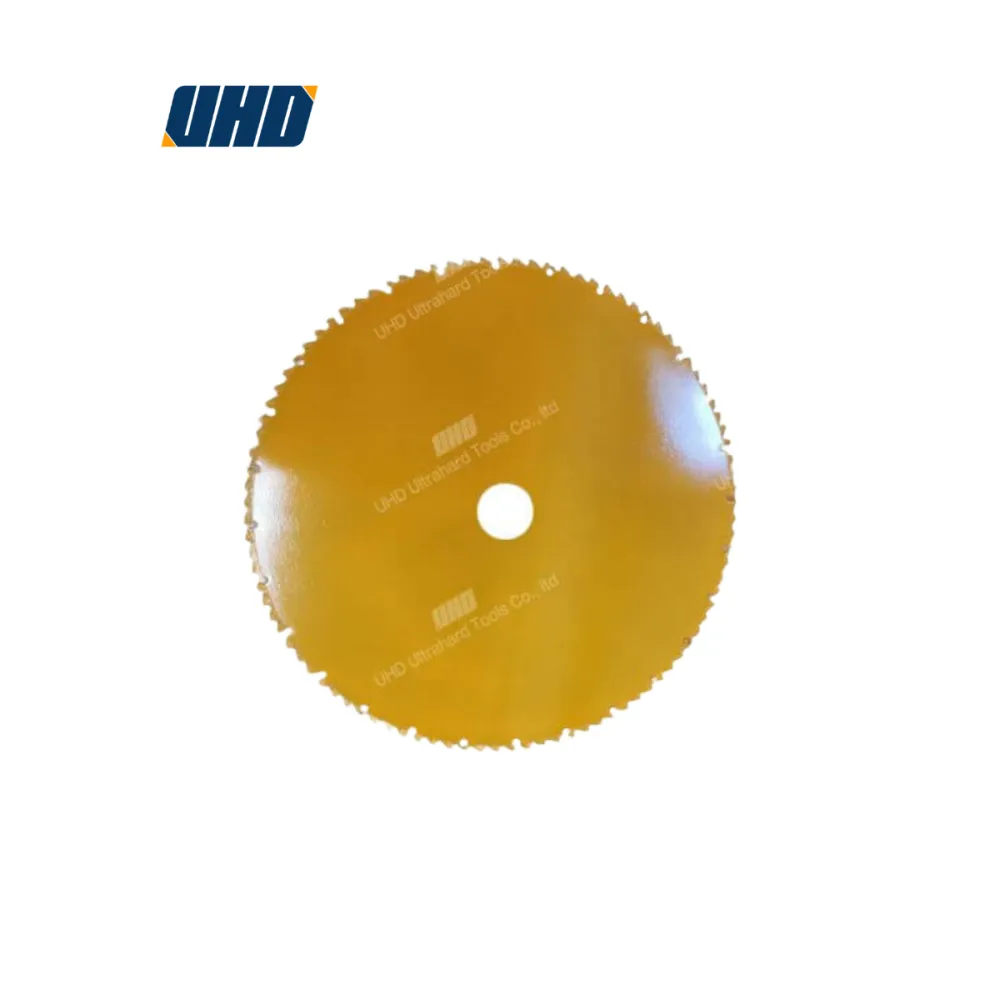
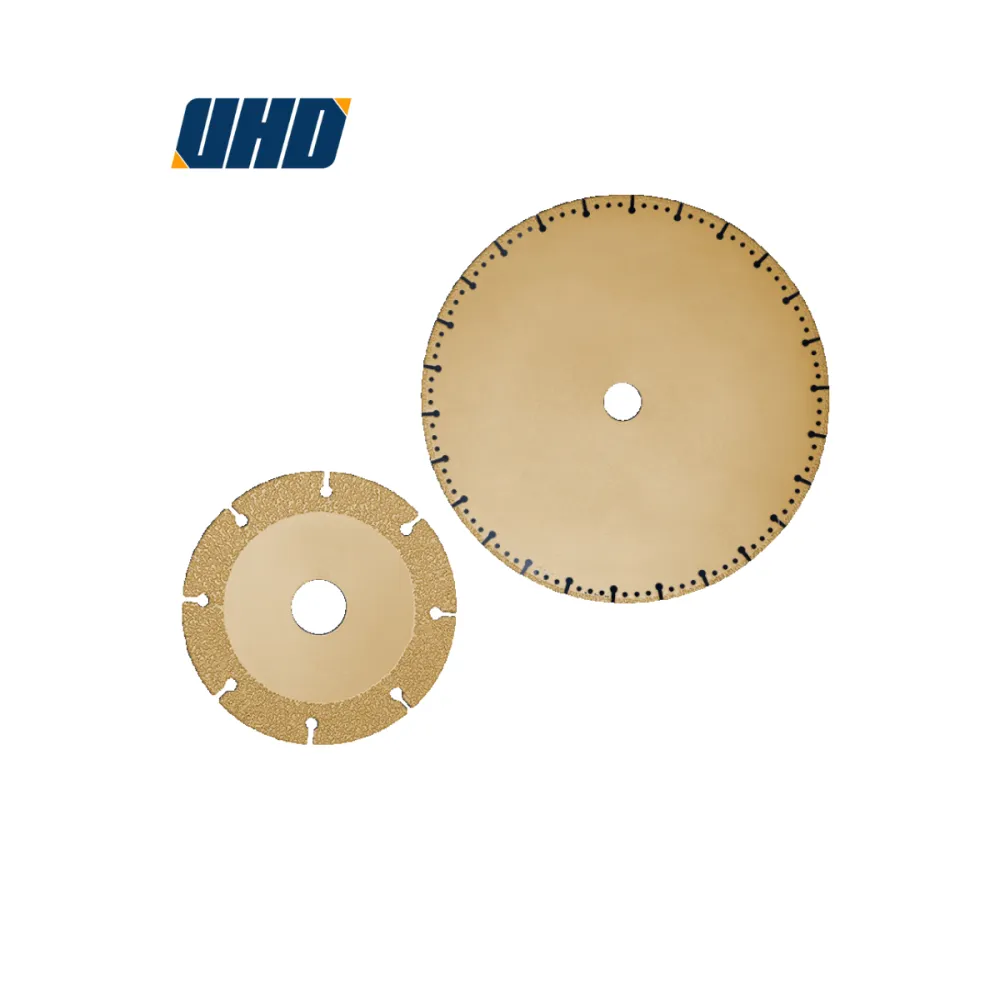
For decades, industrial cutting of hard materials like granite, stainless steel, and hardened alloys has been plagued by inefficiency, high wear rates, and excessive dust generation. But one client in the stone fabrication industry recently transformed their production process—not through expensive automation, but with a smarter tool: brazed diamond blades.
In a typical stone processing plant, operators face three major pain points when using conventional segmented or electroplated diamond blades:
A mid-sized Italian stone manufacturer, facing rising labor costs and declining margins, switched to brazed diamond blades from our R&D-certified series. Within two weeks of implementation:
| Performance Metric | Before (Conventional Blade) | After (Brazed Diamond Blade) |
|---|---|---|
| Average Blade Life | 4.2 hours | 18.5 hours (+340%) |
| Dust Generation (mg/m³) | 12.3 | 3.7 (-70%) |
| Cutting Speed (m/min) | 35 | 68 (+94%) |
“We didn’t expect such a dramatic improvement,” says Marco Rossi, Production Manager at the facility. “The new blades not only cut faster—they’re quieter, cleaner, and we’ve reduced our maintenance time by over 60%.”
The secret lies in the metallurgical bond between the diamond grit and the steel core—a technique that ensures minimal chipping and superior heat dissipation. Unlike electroplated blades where diamonds sit loosely on the surface, brazed blades integrate the abrasive layer into the matrix, resulting in:
This isn’t just about performance—it’s about sustainability. With fewer blade replacements and less airborne particulate matter, shops reduce waste, comply easier with environmental regulations, and create safer working conditions for their teams.
If you're tired of constant blade changes, poor cuts, and rising operational costs, it's time to rethink your approach. Our team of engineers has helped over 120 global clients—from European stone mills to Middle Eastern construction firms—achieve measurable gains using brazed diamond technology.
Get Your Free Technical Brochure & Customized Cutting Plan Today