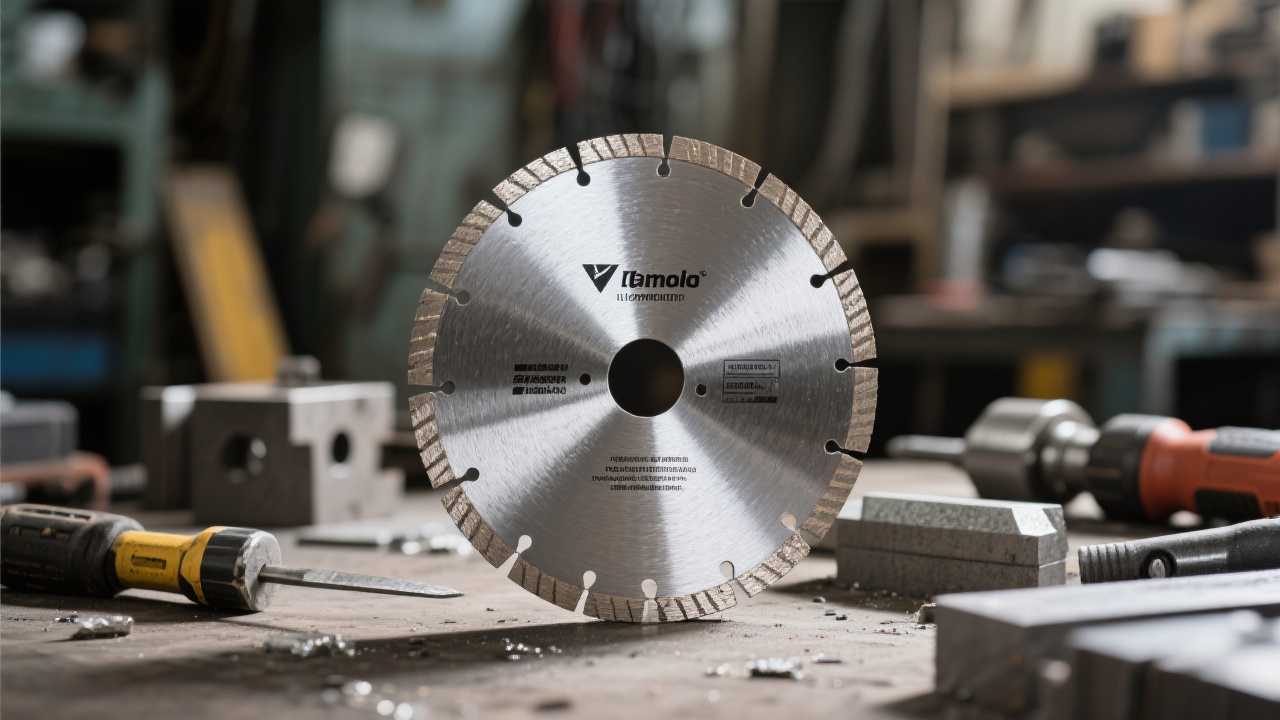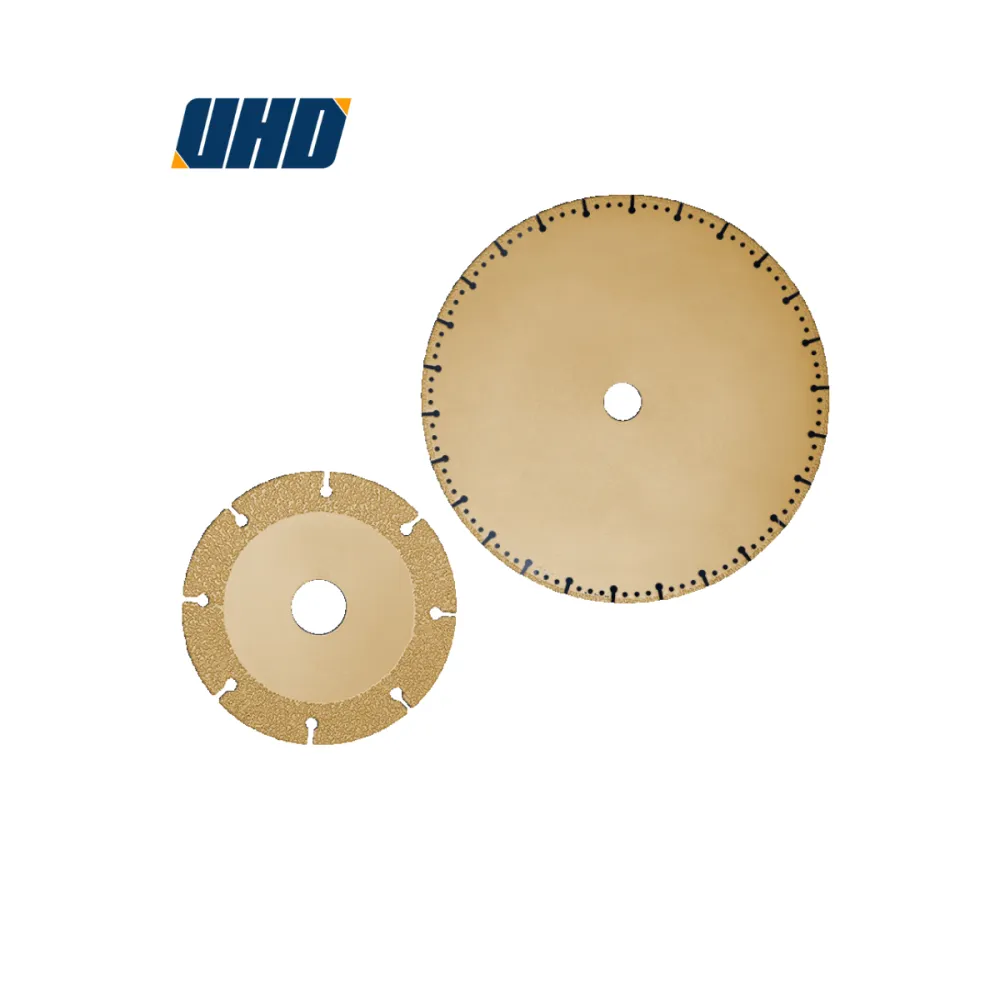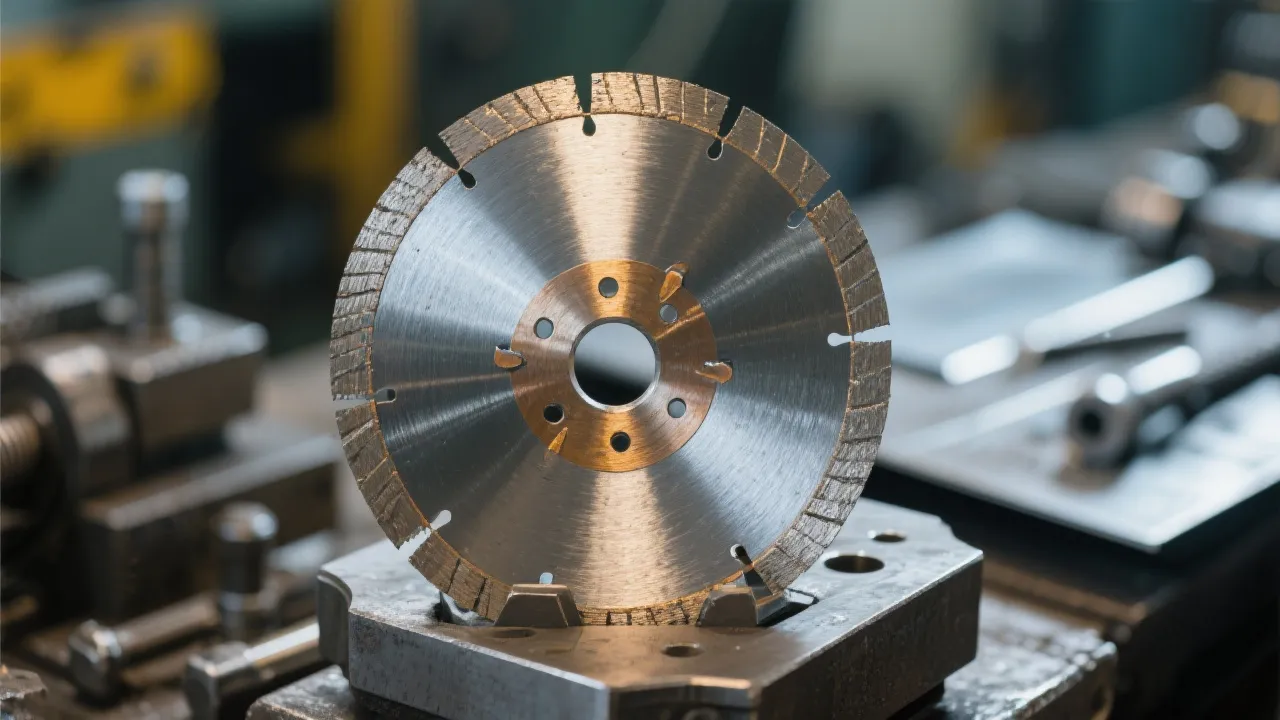
Brazed diamond saw blades have revolutionized the cutting industry by merging advanced metallurgical technology with premium abrasive materials. The core principle behind these blades lies in their unique manufacturing process, which enhances cutting efficiency and wear resistance. This technology empowers professionals to process hard materials like granite, concrete, and other construction substrates with precision and durability.
At its essence, a brazed diamond saw blade consists of industrial-grade diamonds firmly bonded to a steel core through a high-temperature brazing process. Unlike electroplated or sintered blades, brazing uses a filler metal alloy to securely attach diamond particles, creating a robust interface that withstands significant operational stress. This structure ensures that the diamonds remain intact throughout intense cutting cycles, thereby extending blade life and maintaining sharpness.
The brazing procedure is crucial for maximizing diamond retention. During manufacturing, the blade's steel core and diamond particles are heated above 700°C in a protective atmosphere, allowing the filler metal to flow and bond. This results in a metallurgical join that is stronger than simple adhesion or mechanical fastening. Studies show that properly brazed blades can retain over 85% of their abrasive edges after extensive cut cycles, effectively doubling the usage lifespan compared to electroplated alternatives.
Blade geometry plays a pivotal role in operator comfort and cutting precision. The brazed diamond saw blades incorporate segmented teeth along with optimized gullet patterns designed to reduce vibration amplitude by up to 40% compared to conventional blades. This refinement not only diminishes operator fatigue but also minimizes noise levels, achieving a quieter cutting environment without sacrificing performance. Enhanced stability during operation leads to cleaner cuts and extends the service life of both the blade and the cutting machine.
Heat generated from high-speed rotation and friction can severely affect blade integrity and diamond performance. To combat this, brazed diamond saw blades are equipped with strategically engineered cooling fins and heat-dissipating structures on the steel core. This allows rapid heat transfer, maintaining an operational temperature below 150°C even under continuous heavy-duty cutting. Proper heat management reduces thermal expansion and prevents premature blade warping or diamond degradation.
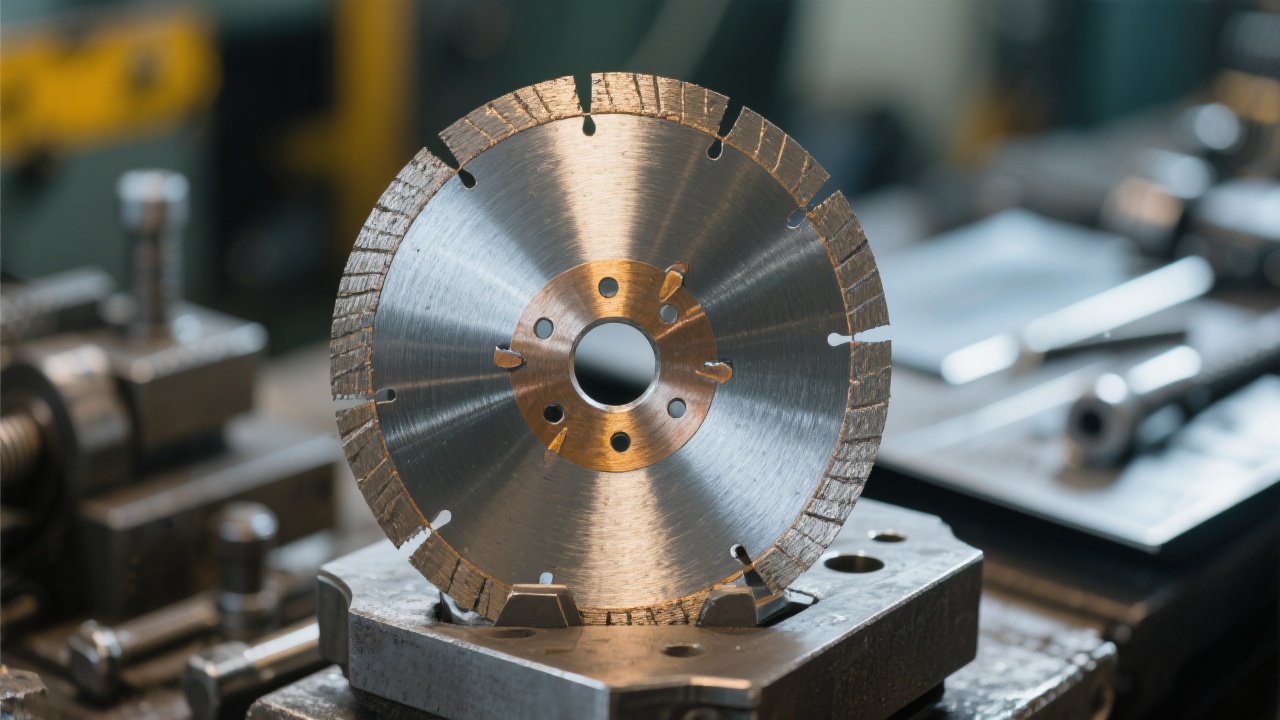
While electroplated blades feature diamonds coated directly via electro-deposition, they often suffer rapid wear due to weaker adhesion, making them ideal only for softer materials or intermittent use. Sintered blades mix diamond particles within a metal powder matrix, offering uniform diamond distribution but can experience diamond shedding under high loads. Brazed blades strike a balance by providing exceptional bonding strength and diamond exposure control, expanding their applicability across various hard materials.
Practical examples highlight brazed blades’ superiority. For granite extraction, their ability to maintain sharpness over thousands of linear meters facilitates consistent cuts with minimal chipping. In concrete demolition, the vibration-dampening features improve user control, while heat management prevents blade failure during prolonged use. These advantages translate into significant operational efficiency gains, reducing downtime and replacement costs.
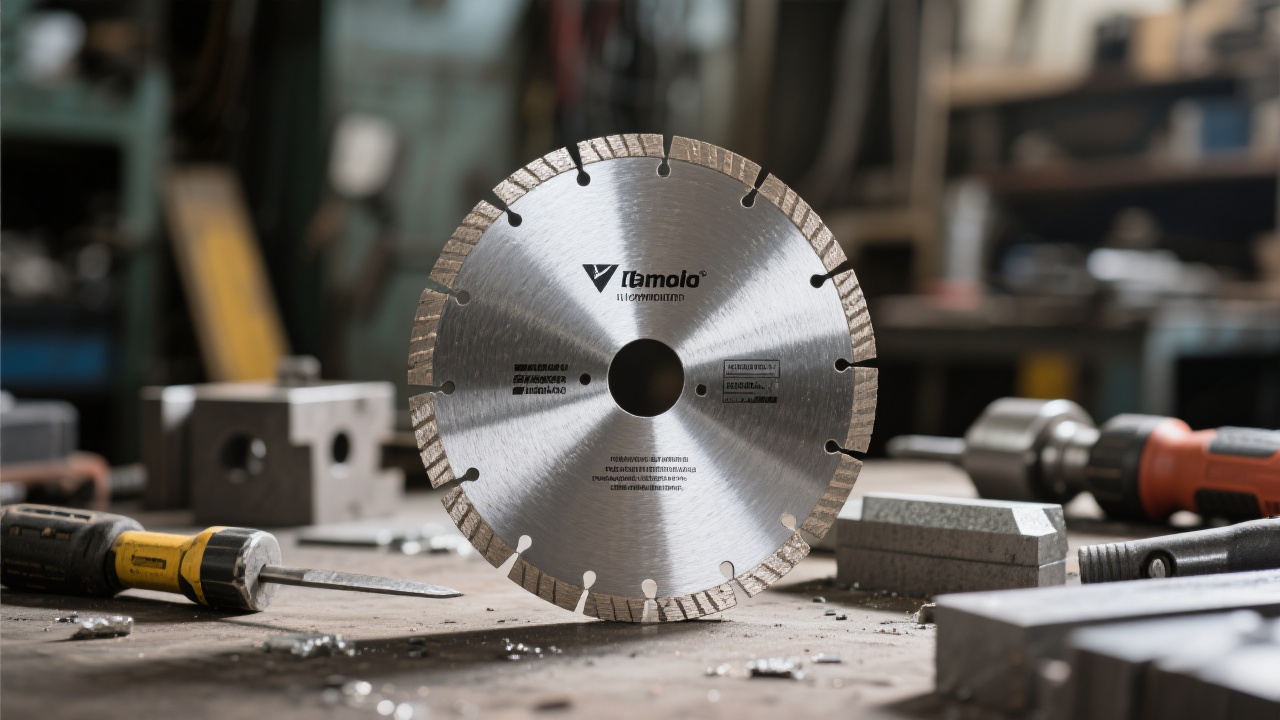
Selecting the optimal brazed diamond saw blade hinges on matching blade specifications with material hardness and cutting conditions. For instance, a 400mm diameter blade with a brazed diamond layer thickness of 2.5mm is ideal for medium to hard masonry tasks. Users should also monitor rotational speeds, typically ranging from 3,000 to 4,500 RPM, to ensure thermal limits are not exceeded.
Proper maintenance, such as regular inspection for diamond wear and cleaning cooling vents, prolongs blade efficiency. It is highly recommended to use blades designed specifically for the targeted material to maximize cutting precision and safety.