Optimizing Cutting Efficiency of Brazed Diamond Blades for Concrete: Choosing the Right Speed and Feed Rate

20 03,2026
UHD
Application Tips
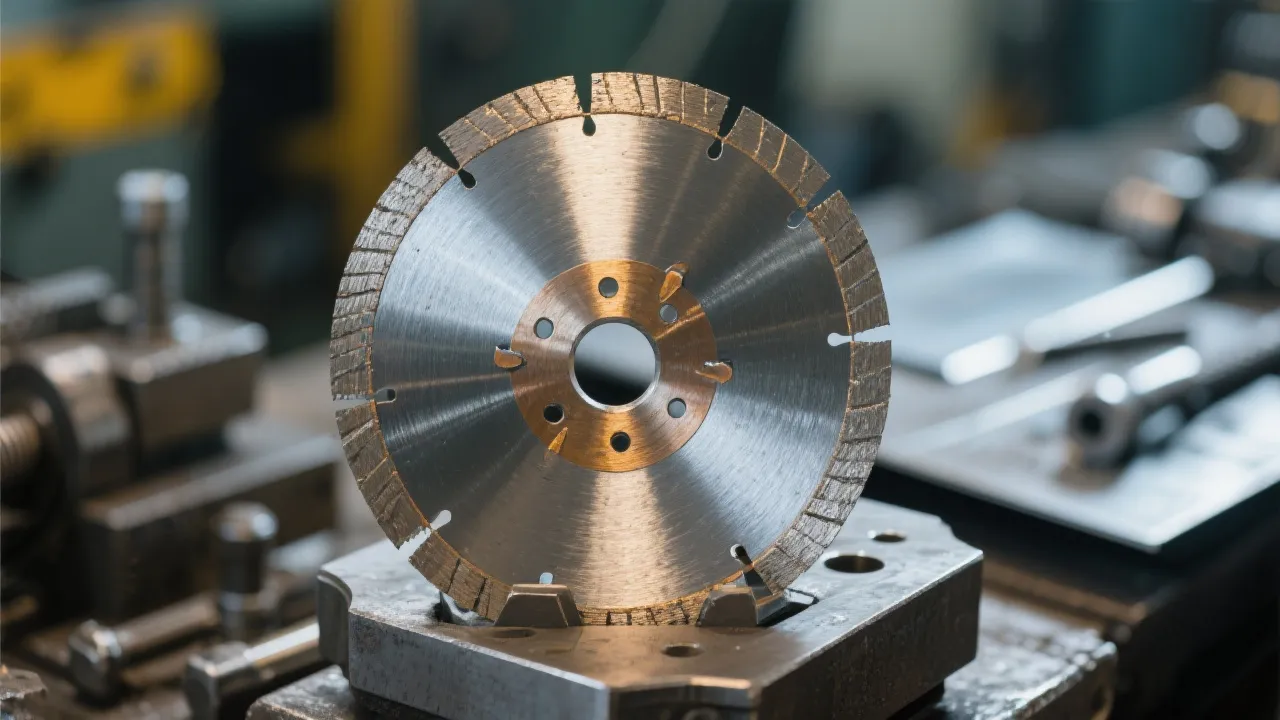
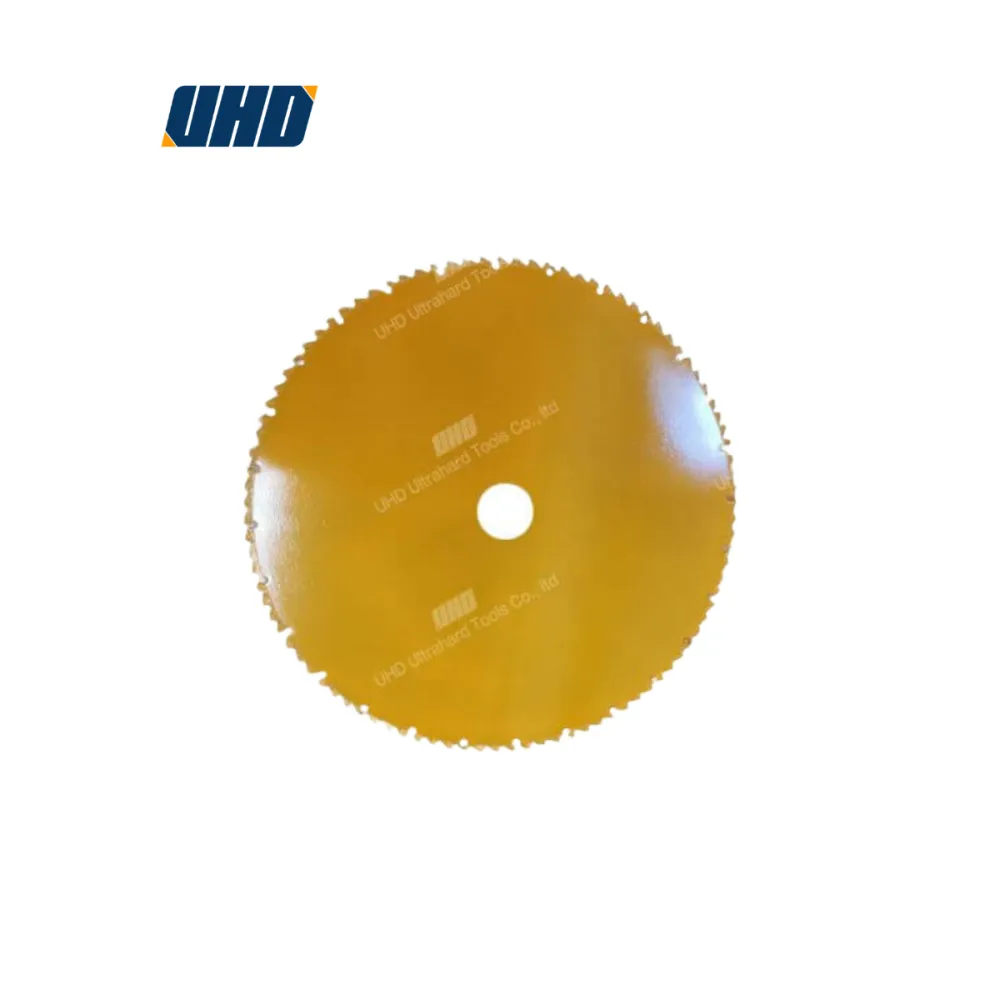
This article provides an in-depth guide on the proper use of brazed diamond blades for cutting concrete, focusing on selecting optimal rotational speeds and feed rates to maximize cutting efficiency. Featuring UHD's 400mm brazed diamond blade, it highlights the advanced brazing technology, high-quality diamond grain fixation, and enhanced heat dissipation design that ensure superior wear resistance and cutting precision. Practical recommendations for adjusting cutting parameters based on material hardness are shared to help contractors and material processing professionals achieve safer, more efficient operations while extending blade lifespan. This comprehensive guide combines technical insights with actionable tips, reinforcing UHD's reputation as a leader in premium wear-resistant diamond blades.
营销主题配图_1752547245749.jpg

Mastering Tungsten Carbide Brazed Diamond Saw Blades for Concrete Cutting

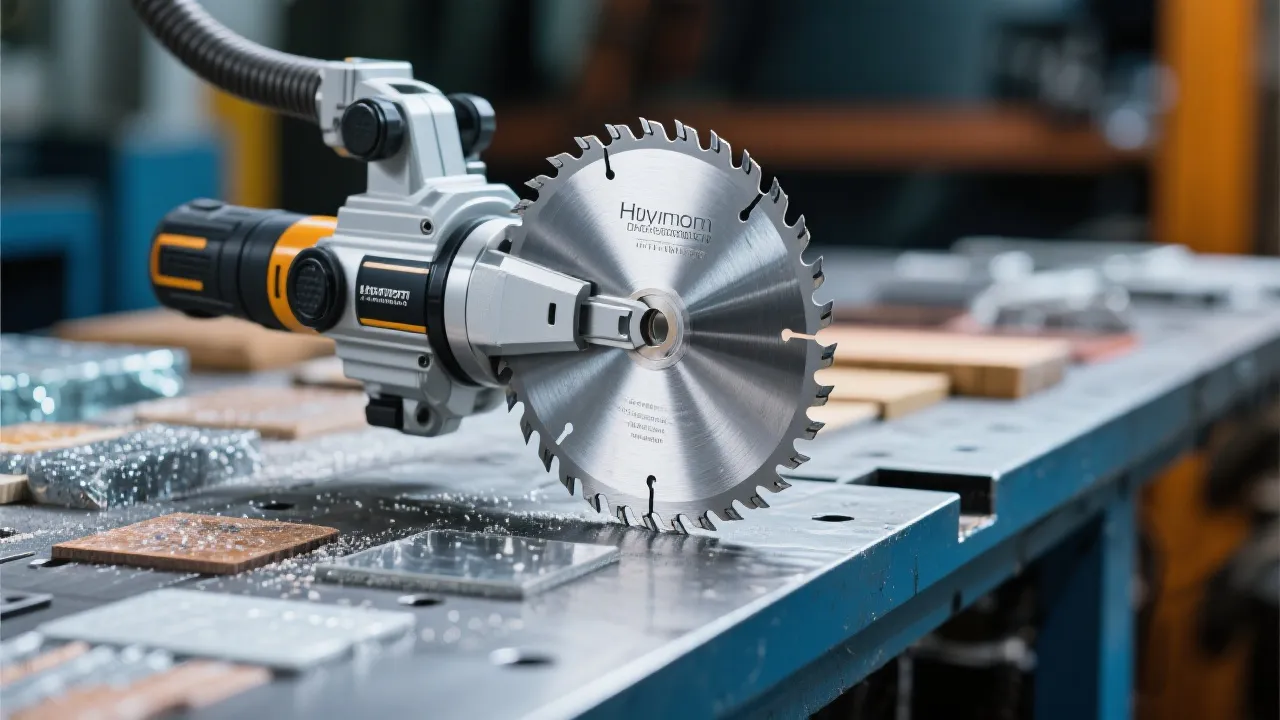
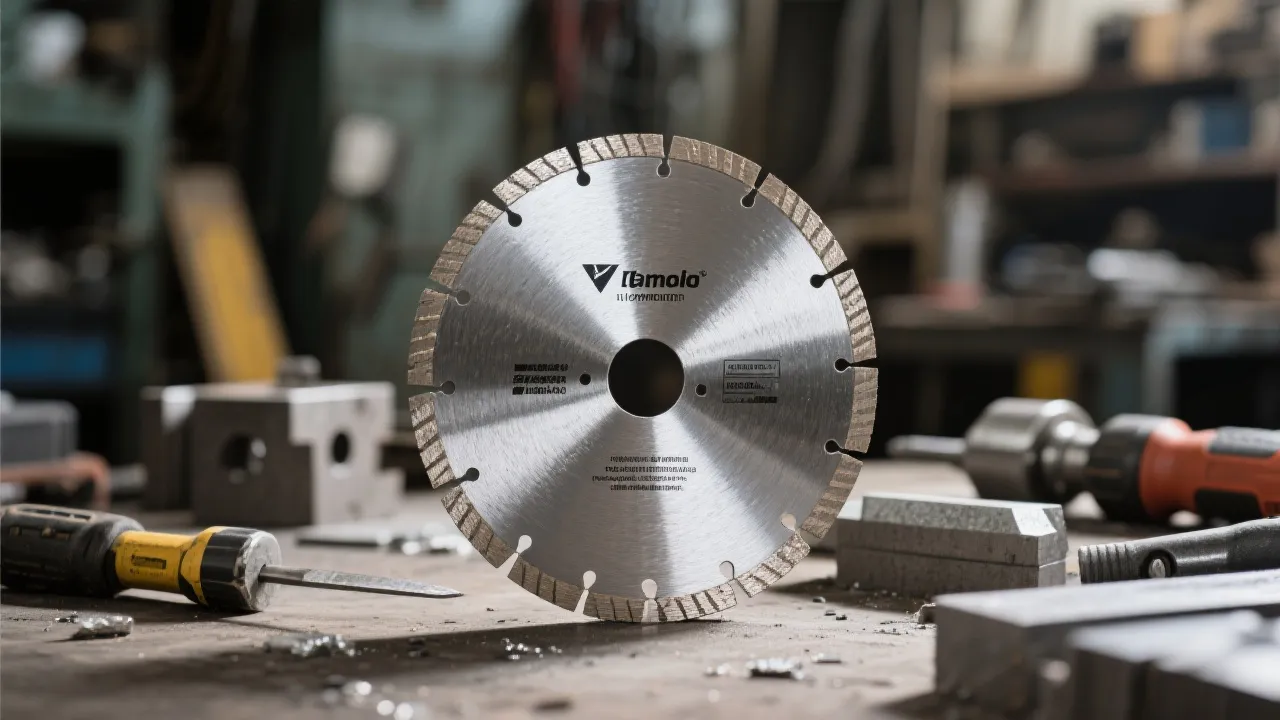
For professionals in construction and material processing, precision and efficiency when cutting concrete cannot be overstated. UHD’s 400H Tungsten Carbide Brazed Diamond Saw Blade combines advanced brazing technology with superior diamond grit fixation and optimized heat dissipation to elevate your cutting experience. This guide will help you select the ideal spindle speed and feed rate, maximizing productivity while ensuring safety and blade longevity.

Understanding the Core Brazing Technology behind UHD’s Saw Blades

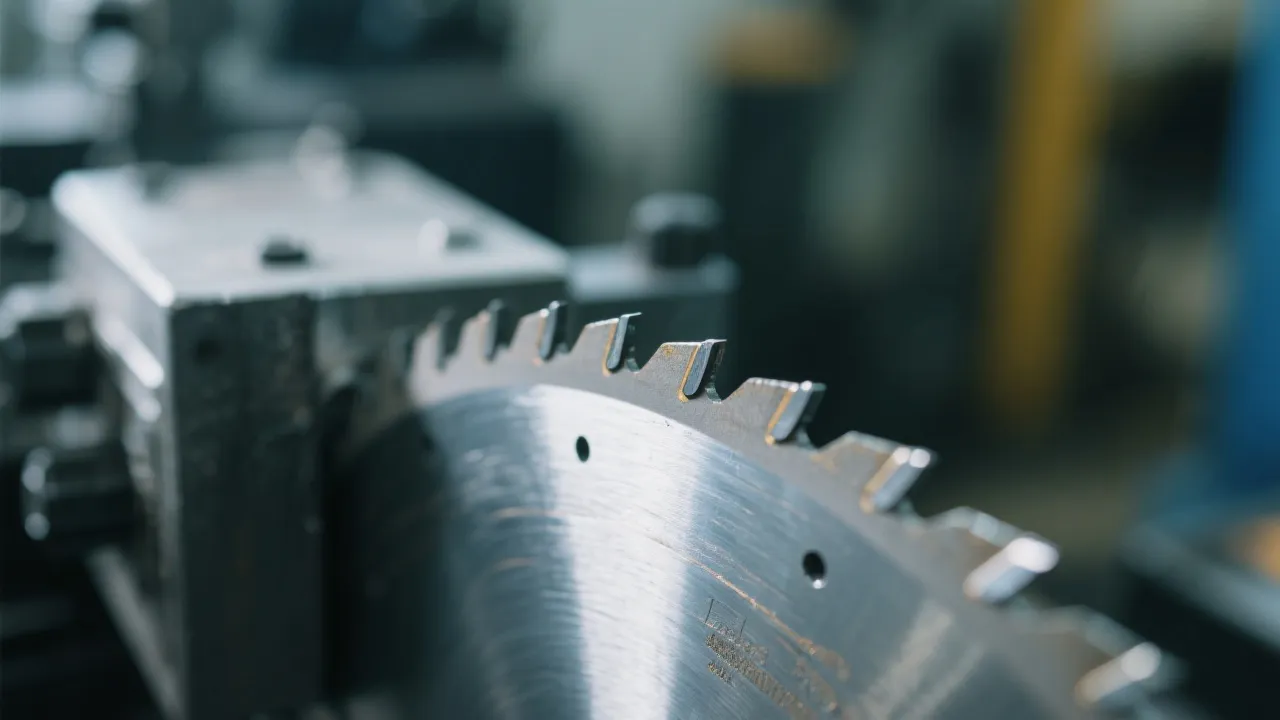
Unlike conventional electroplated blades, the 400H blade uniquely employs tungsten carbide brazing, where diamond particles are firmly anchored to the alloy matrix via a high-strength brazing joint. This structural integration delivers:

  • Exceptional durability, resisting abrasive wear encountered during challenging material cuts like dense concrete.
  • Enhanced cutting precision by minimizing diamond displacement and maintaining edge sharpness longer.
  • Improved heat tolerance due to the superior thermal conductivity of brazed joints.

This engineering finesse translates directly into a blade that performs consistently under rigorous conditions, providing you with reliable, high-quality cuts for extended project timelines.

Optimal Applications of UHD’s 400mm Tungsten Carbide Brazed Blade

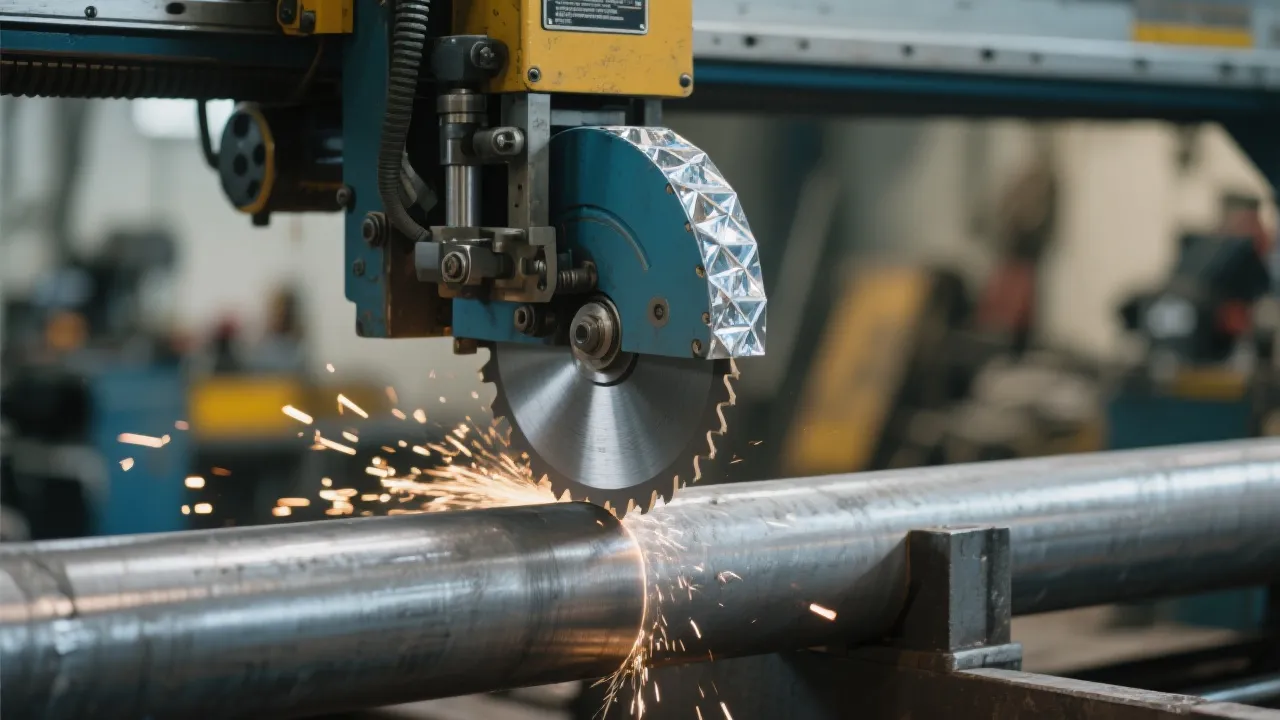
The 400H blade excels at cutting concrete and other hard materials such as brick, stone, and reinforced masonry. When selecting your parameters, keep in mind:

  1. Material Hardness: Denser materials require a slower feed rate to prevent blade overheating and premature wear.
  2. Moisture Content: Wet cutting assists in cooling but demands adjustments in spindle speed and feed to avoid blade damage.
  3. Blade Diameter: The 400mm diameter size offers a balance between power draw and cutting depth, suitable for mid-level to heavy-duty needs.

For example, cutting standard concrete (Mohs hardness ~6) suggests a spindle speed around 2800–3200 RPM with a feed rate between 5–10 mm/s in wet conditions. Harder aggregates may require reduced feed to maintain blade integrity.

Vibration Control and Heat Dissipation: The Unsung Heroes

Vibrations not only compromise cut accuracy but cause operator fatigue and blade damage. UHD’s blade design incorporates advanced vibration dampening via optimal segment configuration and material composition, reducing micro-motions during operation. Additionally, the blade’s innovative cooling slots promote effective heat dispersion, crucial for:

  • Preventing Thermal Cracks: High heat buildup can induce fractures; efficient cooling extends lifespan.
  • Maintaining Consistent Cutting Speed: Cool blades sustain stable parameters without power surges.

Understanding and leveraging these design features means safer, more comfortable cutting sessions for your team and fewer unplanned equipment halts.

Quick Tip: Monitor vibration levels and avoid excessive pressure on the blade to maintain optimal stability and control during each cut.

Recommended Spindle Speed and Feed Rate Settings

Material Spindle Speed (RPM) Feed Rate (mm/s) Cutting Mode
Standard Concrete (Hardness ~6) 2800 - 3200 5 - 10 Wet Cutting Recommended
Brick & Masonry (Moderate Hardness) 3000 - 3400 8 - 12 Dry or Wet
Reinforced Concrete (High Abrasion) 2600 - 3000 4 - 8 Wet Cutting Preferred

Dry vs. Wet Cutting: Practical Considerations

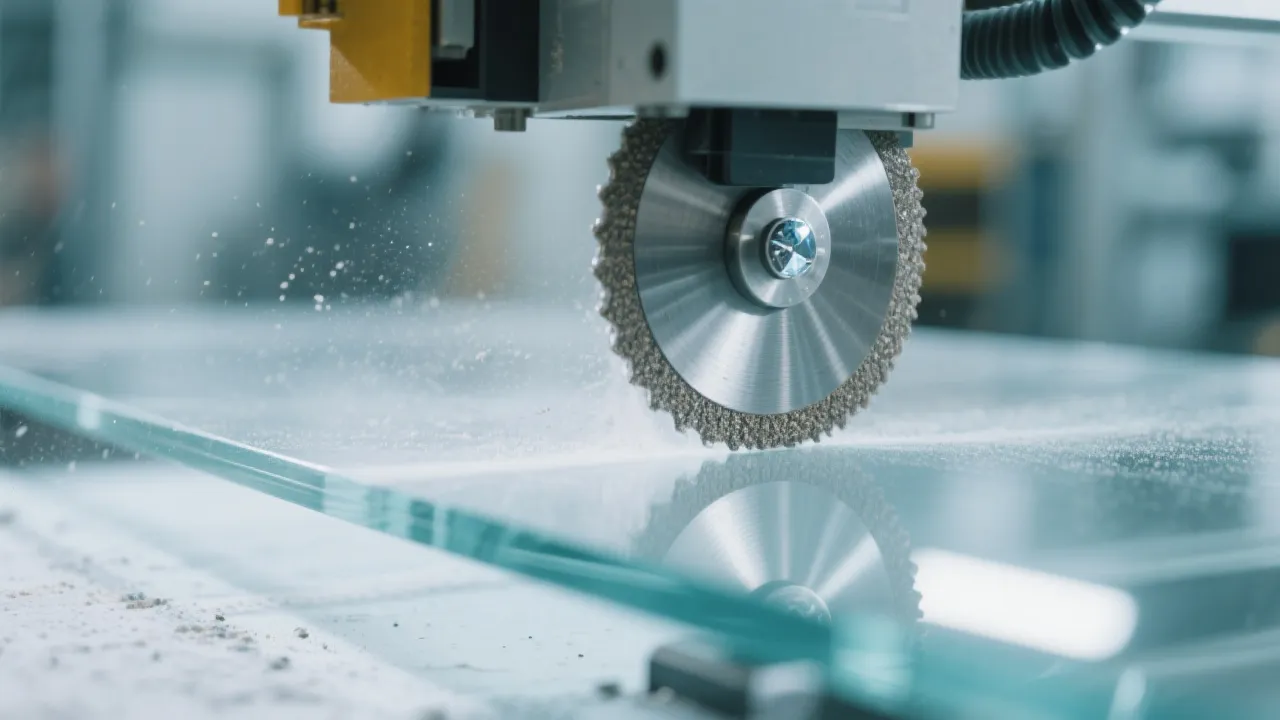
While dry cutting with UHD’s brazed blades offers convenience for quick jobs, it generates significantly more heat and dust:

  • Dry Cutting: Spindle speed should be lower to reduce blade overheating. Use dust extraction to protect operators.
  • Wet Cutting: Provides effective cooling, allowing higher feed rates and spindle speeds, preserving blade sharpness and lifespan.

Prioritize wet cutting wherever feasible for long-duration or large-scale projects involving UHD’s blades to maximize results.

Interactive: How Would You Adjust for Tougher Materials?

Given a blade speed of 3000 RPM and feed rate of 10 mm/s for standard concrete, try reducing/increasing parameters when facing ultra-hard aggregates. Would you increase or lower the feed rate? What about spindle speed? Reflect and test to optimize!

Why Choose UHD’s Tungsten Carbide Brazed Diamond Saw Blades?

UHD’s 400H cutting solution offers:

  • Superior 耐磨金刚石锯片 properties thanks to robust brazing technology, ensuring minimal diamond dropout.
  • Optimized segment design promoting 锯片散热设计 for longer operational life.
  • Wide material compatibility with precise cutting outcomes regardless of hardness variance.
  • Enhanced cutting safety via 振动控制 features to reduce operator fatigue.

Trust UHD for proven, professional-grade tools that empower your teams to execute with confidence and elevate project quality.

Name *
Email *
Message*

Recommended Products

Popular articles
Recommended Reading

Related Reading

Contact us
Contact us
https://shmuker.oss-accelerate.aliyuncs.com/tmp/temporary/60ec5bd7f8d5a86c84ef79f2/60ec5bdcf8d5a86c84ef7a9a/thumb-prev.png