In high-volume manufacturing environments—especially those cutting abrasive materials like stainless steel, gray cast iron, or ceramics—tooling wear is not just a cost center—it’s a hidden productivity killer.
Many factories still rely on resin-bonded diamond blades for precision cutting. While initially cheaper, these tools degrade rapidly under continuous use. On average, a resin blade lasts only 3–5 hours in heavy-duty applications before requiring replacement—a frequency that leads to:
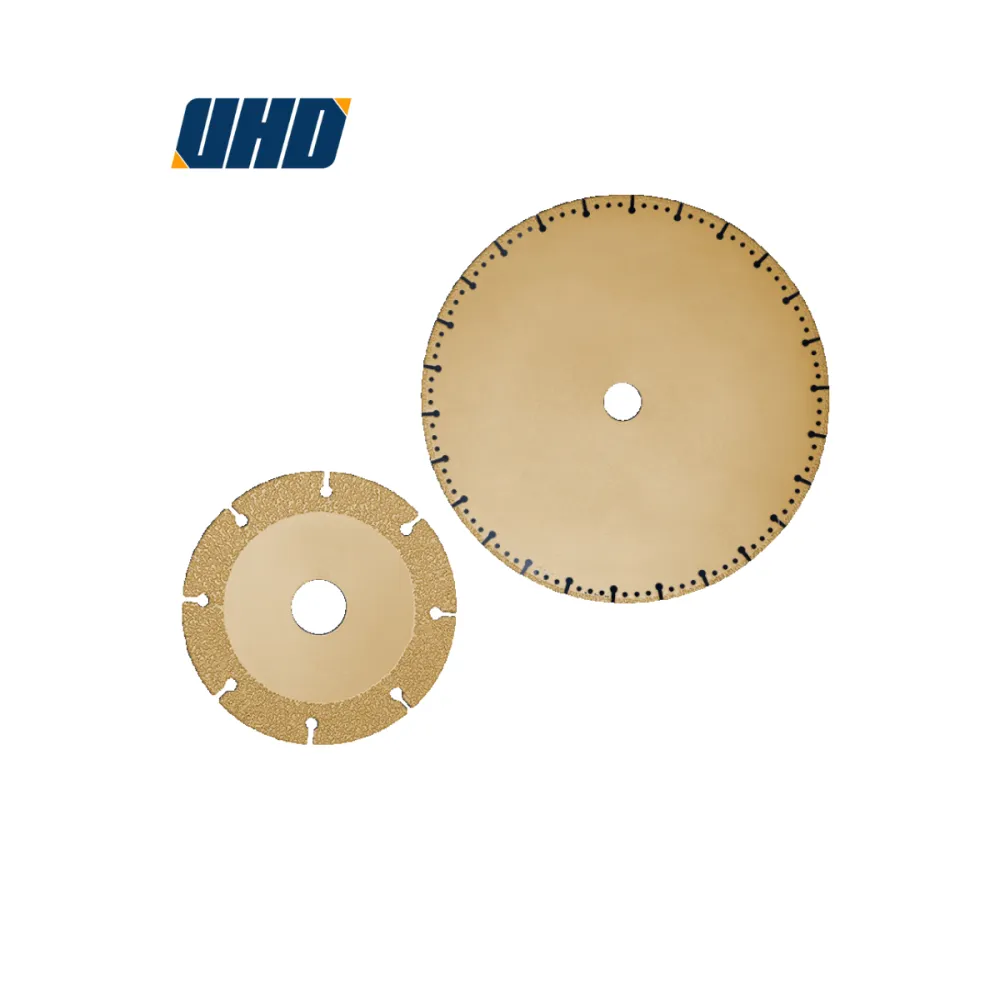
The shift to brazed diamond blades isn’t just about better materials—it’s a systemic upgrade. These blades combine:
| Material Type | Resin Blade Life (hrs) | Brazed Blade Life (hrs) | Efficiency Gain (%) |
|---|---|---|---|
| Gray Cast Iron | 3.5 | 18.2 | +420% |
| Stainless Steel | 4.1 | 22.7 | +454% |
| Ceramic Tiles | 2.8 | 16.5 | +489% |
“We went from changing blades every 4 hours to once every 18. Our maintenance team saved over 150 hours per year.”
— Zhang Wei, Production Manager at Tianjin Metalworks Co., Ltd.
Brazed blades also reduce dust generation by up to 60%, improving workplace air quality and reducing PPE requirements for operators. In EU and North American markets, this aligns with tightening occupational safety standards—and directly supports ESG goals.
For procurement managers focused on lifecycle cost analysis, the message is clear: Use fewer blades, cut more parts, and let every dollar spent deliver measurable value.
See how our brazed diamond blades can reduce your tooling costs by 40%+ while extending machine life—without compromising precision.
Get a Free Sample + Technical Brochure