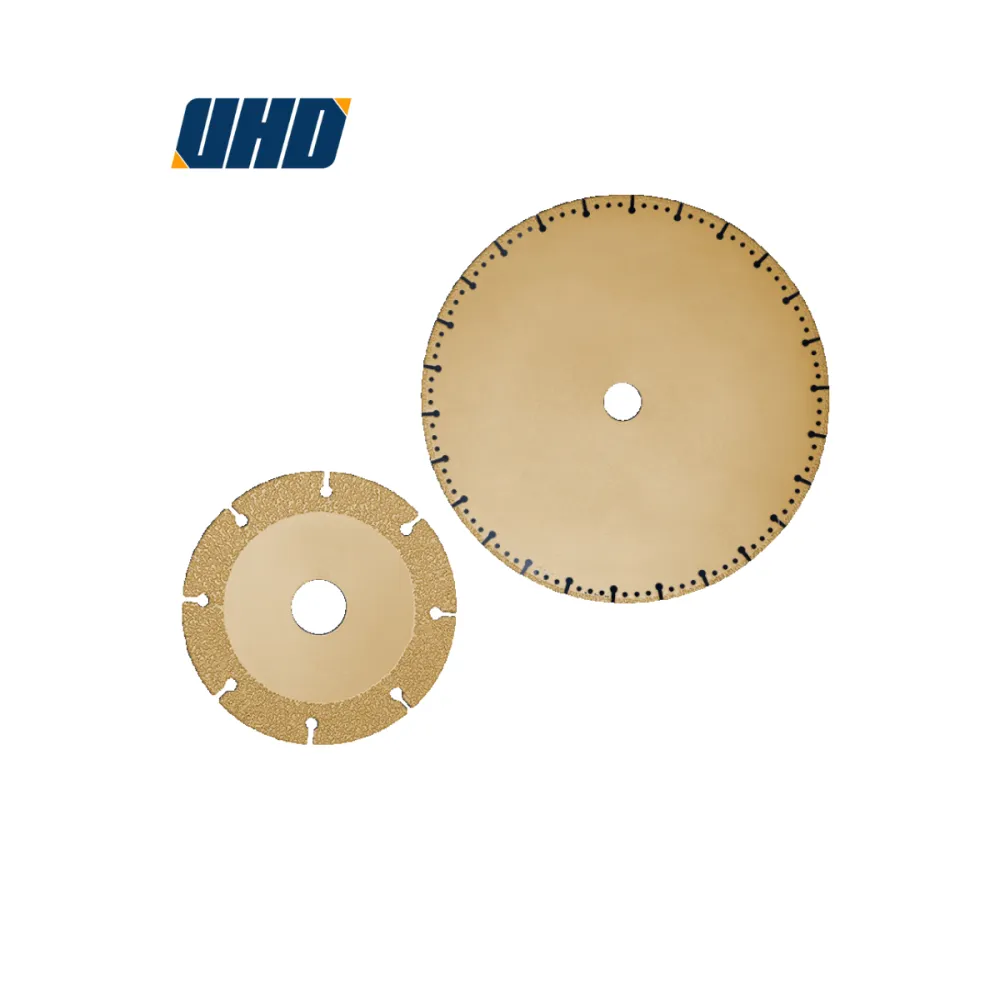
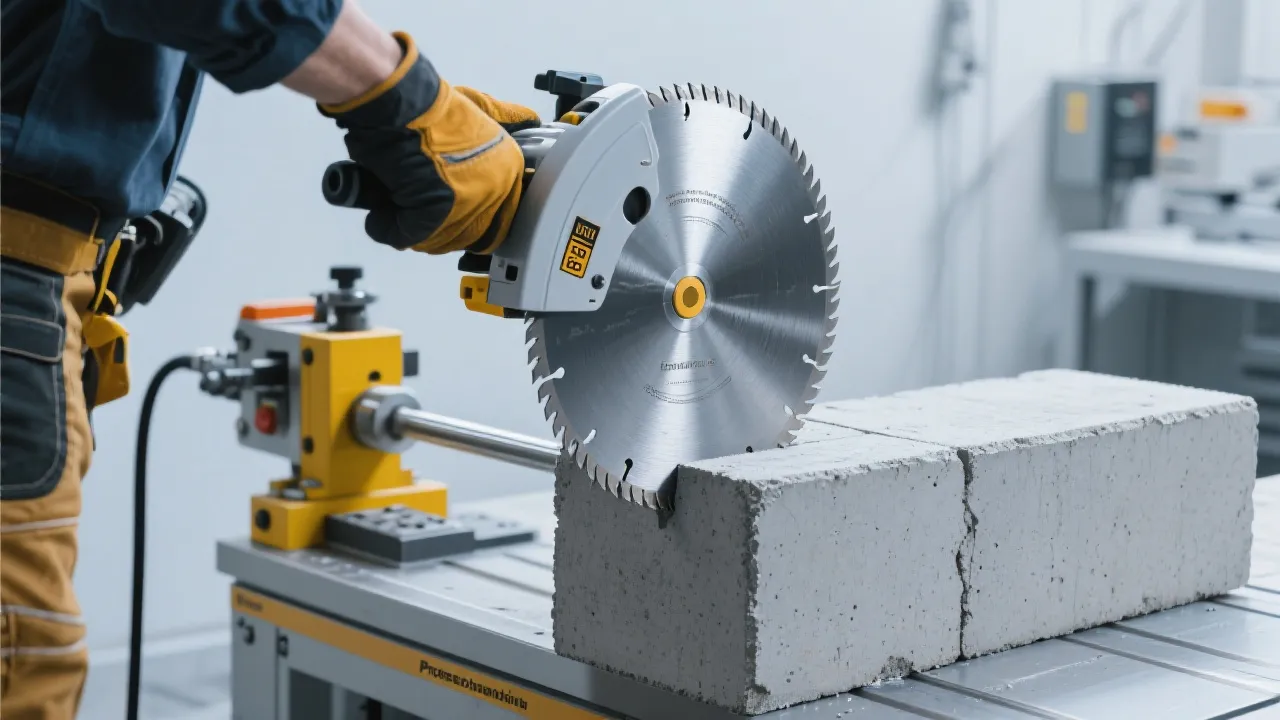
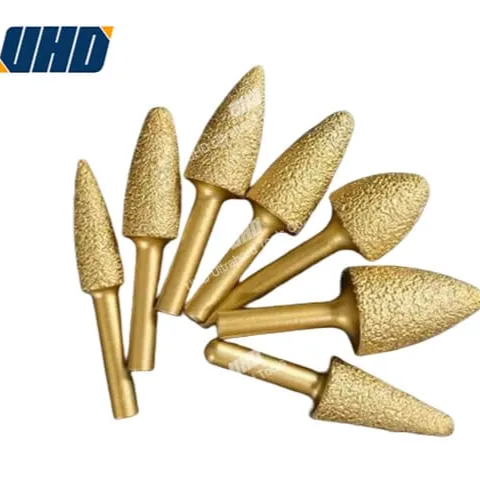
Selecting the correct brazed diamond saw blade is critical when cutting high-hardness materials like gray cast iron, ductile iron, stainless steel, or complex stone. The wrong choice can lead to excessive wear, poor surface finish, increased downtime, and higher operational costs. This guide walks you through key technical factors—material composition, bond type, base plate design—and real-world performance data from industrial users who’ve seen up to a 40% increase in productivity after switching to premium brazed diamond blades.
The performance of a brazed diamond saw blade hinges on three core elements:
| Factor | Why It Matters | Typical Improvement (vs. Standard Blades) |
|---|---|---|
| Diamond Grade | Higher-grade diamonds resist fracture under extreme heat and pressure. | +25–35% lifespan |
| Brazing Technology | Uniform bonding ensures consistent diamond retention and minimal chipping. | +30% cutting stability |
| Steel Base Design | Optimized thickness and cooling channels reduce thermal deformation. | +20% edge integrity over long runs |
A manufacturing plant in Germany reported a 37% reduction in blade replacement frequency while cutting stainless steel plates using a new brazed diamond blade model. Similarly, a stone fabrication company in Italy achieved a 42% improvement in cutting speed for granite slabs without compromising edge quality—a result directly tied to enhanced heat dissipation from the blade’s optimized base structure.
These results are not isolated. In a recent survey of 120 industrial buyers across North America and Europe, 86% said they prioritized durability and safety over upfront cost when selecting cutting tools for high-hardness applications. Why? Because the total cost of ownership (TCO) dropped significantly once reliable blades were adopted—even if the initial investment was 15–20% higher than standard options.
Unlike traditional segmented blades that generate more dust and vibration, modern brazed diamond saws offer quieter operation and lower particulate emissions—key compliance points for ISO 45001 and OSHA standards. One customer in Saudi Arabia noted a 60% decrease in worker-reported fatigue during extended shifts after switching to our low-vibration brazed blades, which also met local environmental regulations for construction sites.
“We used to change blades every 4 hours. Now we get 8–10 hours per blade—no compromise on cut quality.”
— Carlos Mendez, Production Manager, Spain
Explore how our precision-engineered brazed diamond saw blades can deliver measurable gains in productivity, safety, and cost savings—tailored for your specific material and application needs.
Get Your Customized Blade Recommendation Today