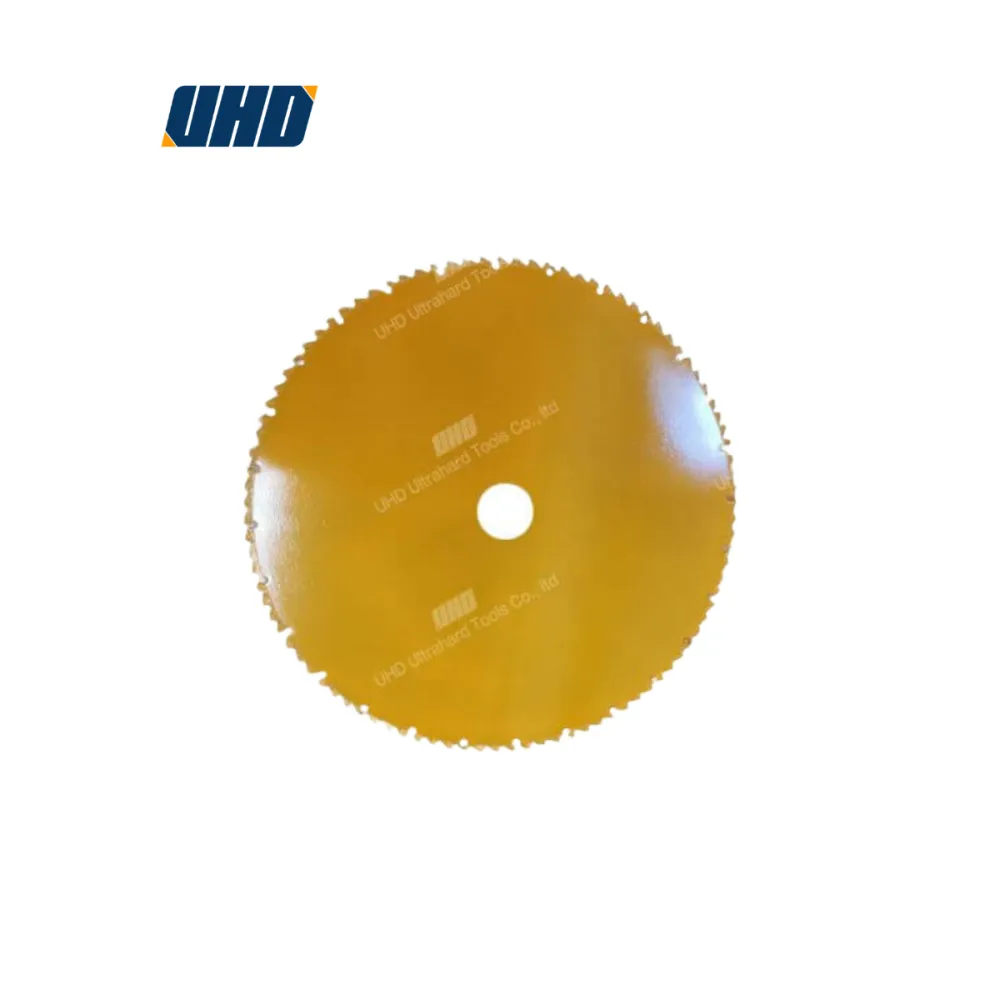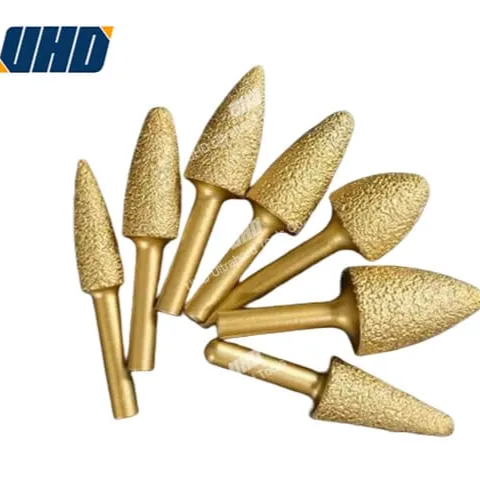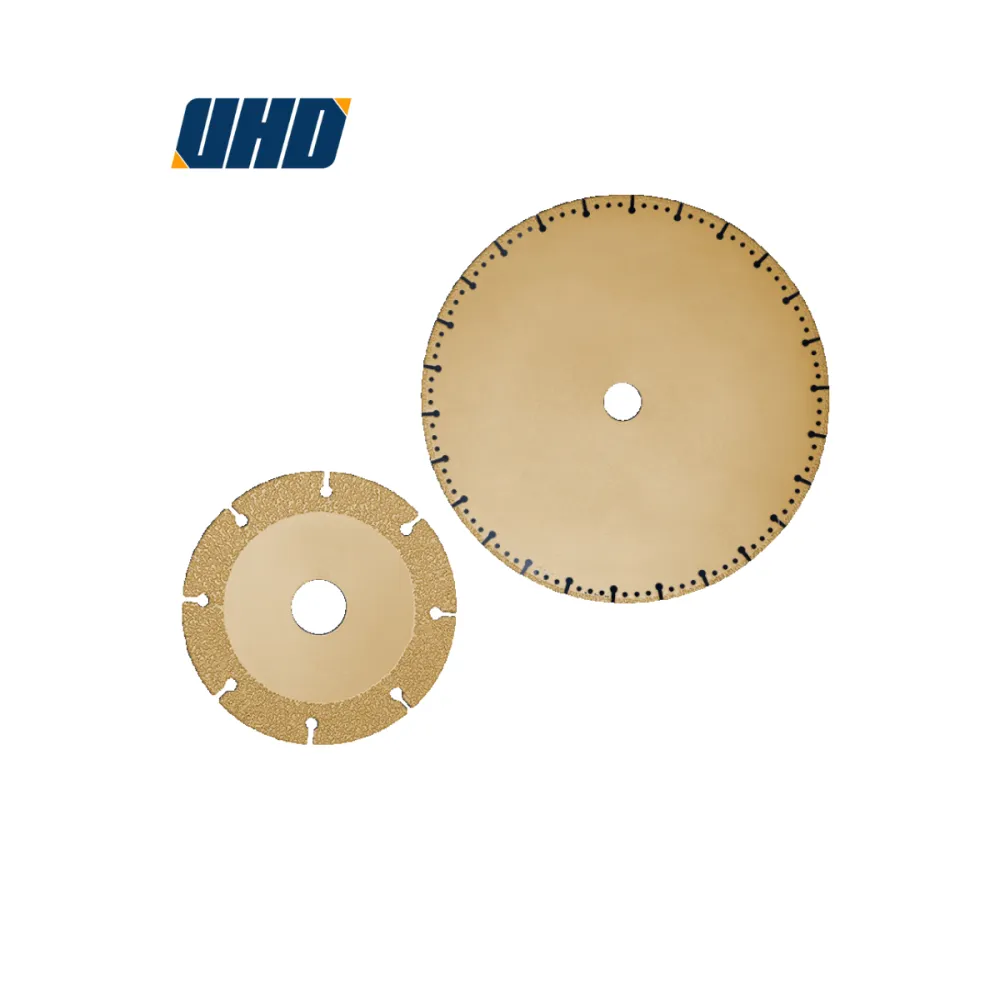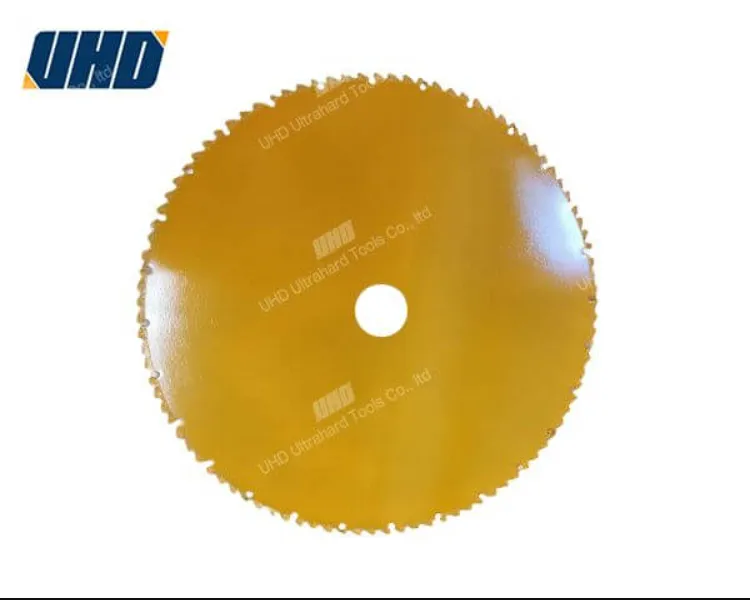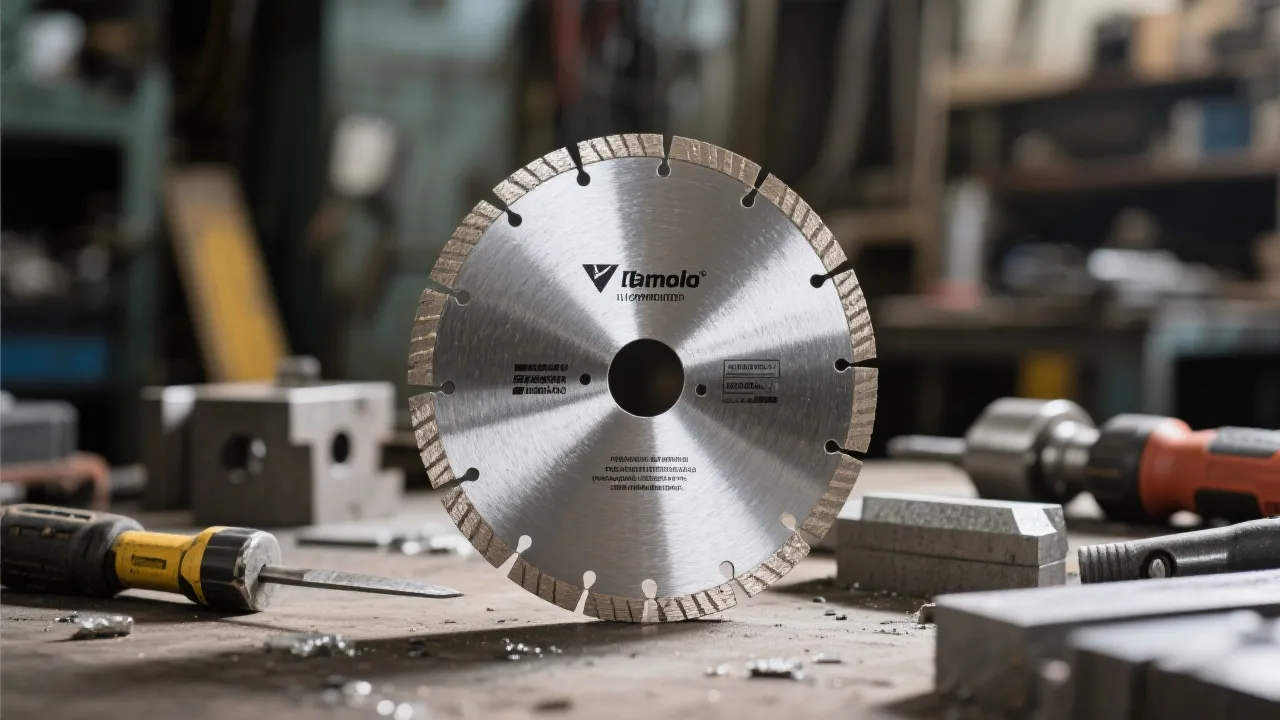
In industrial applications involving the cutting of challenging substrates such as concrete, stone, and tiles, UHD's brazed diamond saw blades stand out by delivering exceptional performance. The powerful synergy of brazed bonding technology with high-grade diamond grit optimizes cutting precision while maximizing blade longevity. This guide unpacks the technical principles driving the effectiveness of brazed diamond blades and offers actionable insights for operators aiming to enhance productivity and maintain safety on-site.
Brazed diamond saw blades incorporate diamond particles bonded directly to the metal blade surface using a high-temperature brazing process. Unlike conventional electroplated or sintered blades, brazing creates a metallurgical bond that affords greater durability and heat resistance. This technology allows the blade to withstand severe operational stresses encountered when slicing through ultra-hard materials such as granite and reinforced concrete.
The cutting efficiency relies heavily on the interaction between the diamond grit and the material surface. Optimal bond strength preserves diamond retention, leading to consistent cutting action and reduced grinding of the blade itself, which translates to extended service life — often 30-50% longer than comparable alternatives.
Precise control of cutting speed and applied pressure is critical. For materials like hard concrete, a speed range between 20-25 meters per second is typically ideal to balance cutting rate and blade wear. Applying excessive speed increases heat generation, risking premature blade degradation, while too slow speeds cause inefficient operation and excessive loading.
Pressure should be moderated to avoid blade binding and diamond chipping. An operator’s best practice is to maintain a steady feed rate that allows the blade to engage material fully but without forcing. UHD recommends using intelligent feedback mechanisms where possible to monitor these parameters in real-time and adjust accordingly.
Heat dissipation is a decisive factor. Water cooling remains the industry standard to lower temperature spikes that compromise blade integrity and diamond bond strength. For dry-cutting scenarios, intermittent operation and air-cooling fans may be incorporated but generally result in faster blade wear.
When cutting dense stone or reinforced concrete, continuous water flow directly to the cutting interface maximizes cooling efficiency, reduces dust, and improves cut quality. UHD blades are engineered to perform optimally under such wet cutting conditions, delivering both safety and enhanced blade longevity.
Routine inspection to detect early signs of diamond loss or segment damage can prevent costly downtime. Operators should periodically check blade alignment, ensure the arbor is clean, and avoid overheating by adjusting operational parameters.
In case of cutting anomalies such as chipping or blade grabbing, immediate adjustment of speed or pressure settings is advised. Regular dressing of the blade surface with softer materials helps expose fresh diamonds, maintaining cutting efficiency.
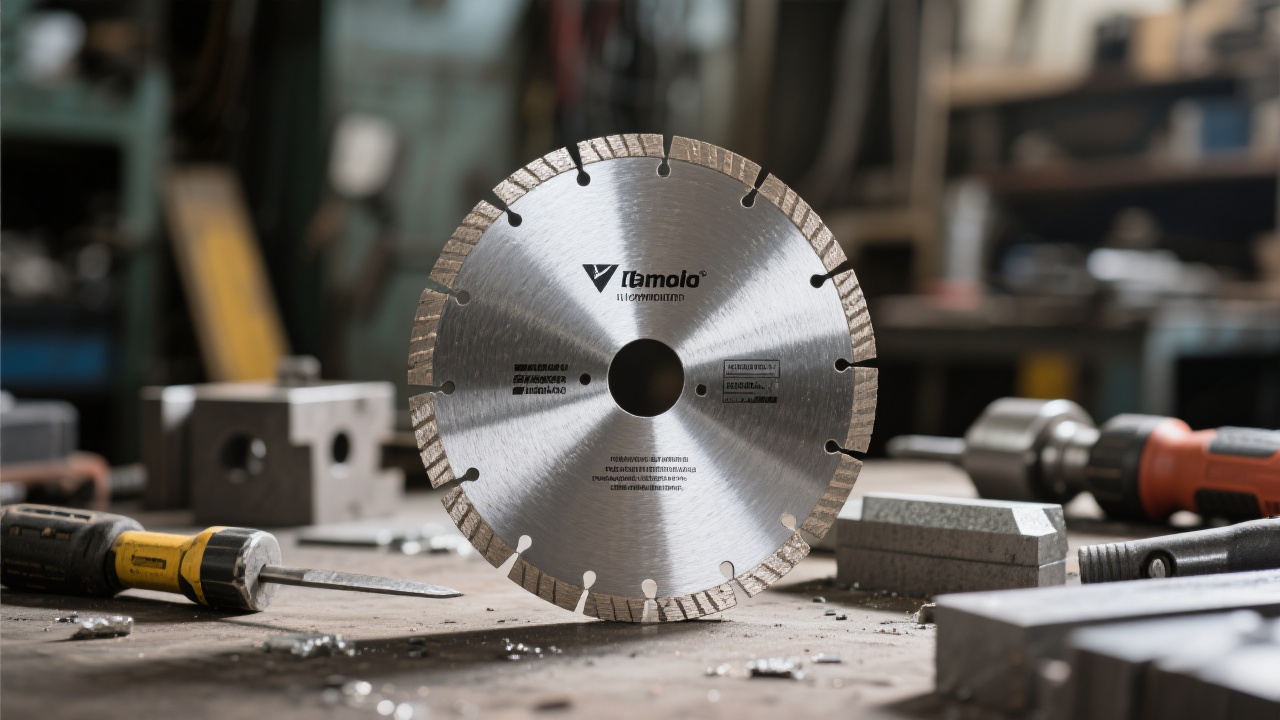
UHD brazed diamond blades demonstrate versatility across multiple substrates:
These distinct applications highlight the product’s adaptability when paired with appropriate operational knowledge.
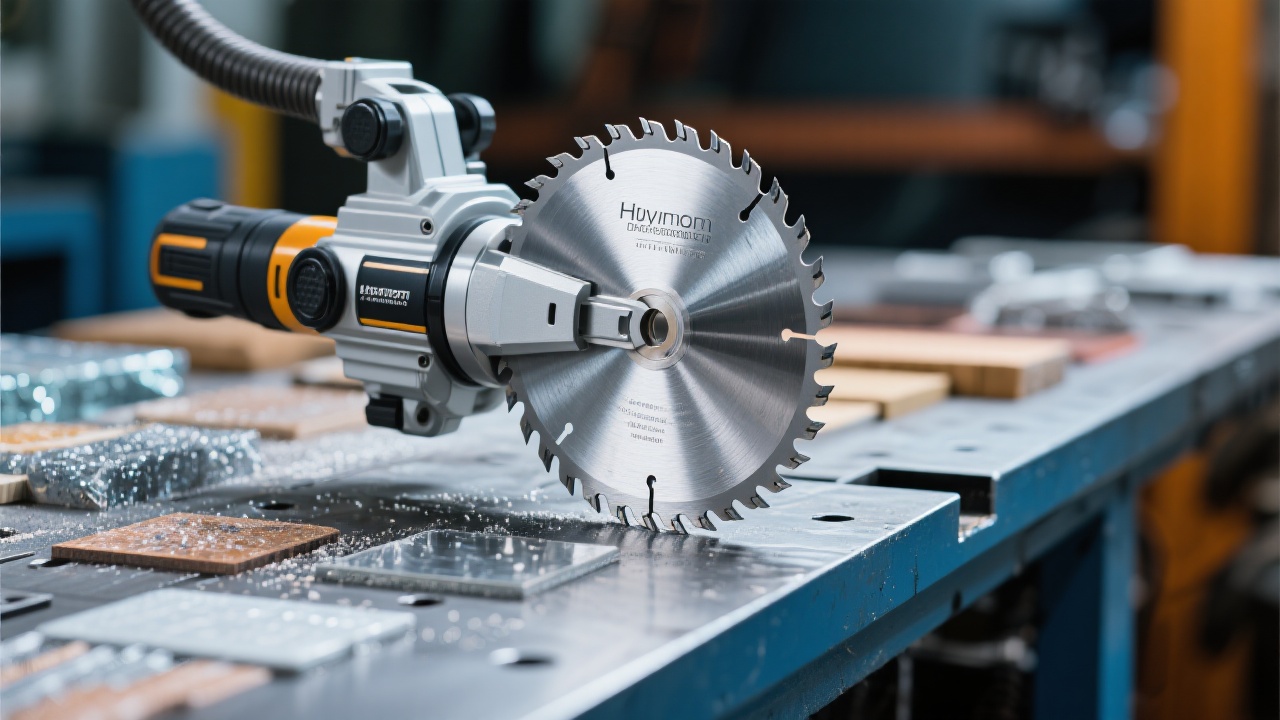
Safety is paramount when working with high-speed rotating blades:
UHD provides comprehensive user manuals emphasizing these safety requirements to reduce on-site risk.
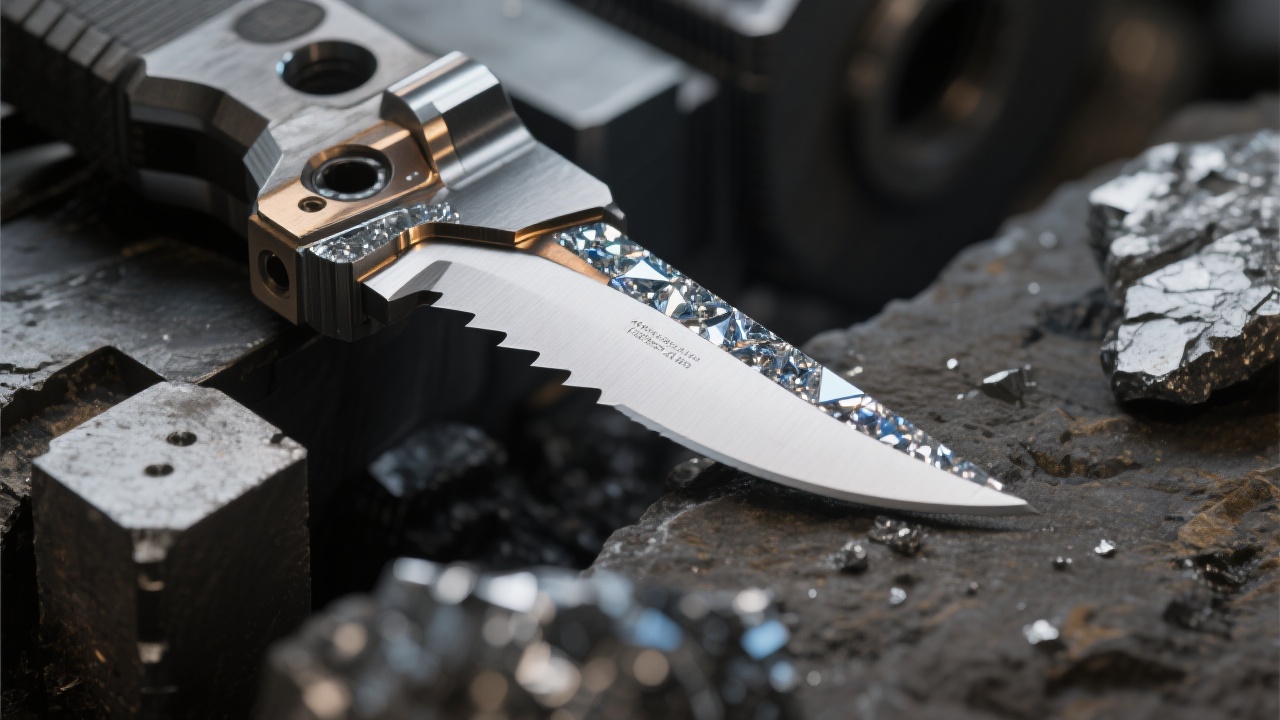
Combining cutting-edge brazing technology with superior diamond grit delivers UHD blades’ unmatched performance in longevity, precision, and efficiency. Its optimized design reduces downtime and consumption costs, offering a compelling value proposition to professionals facing rigorous cutting demands.