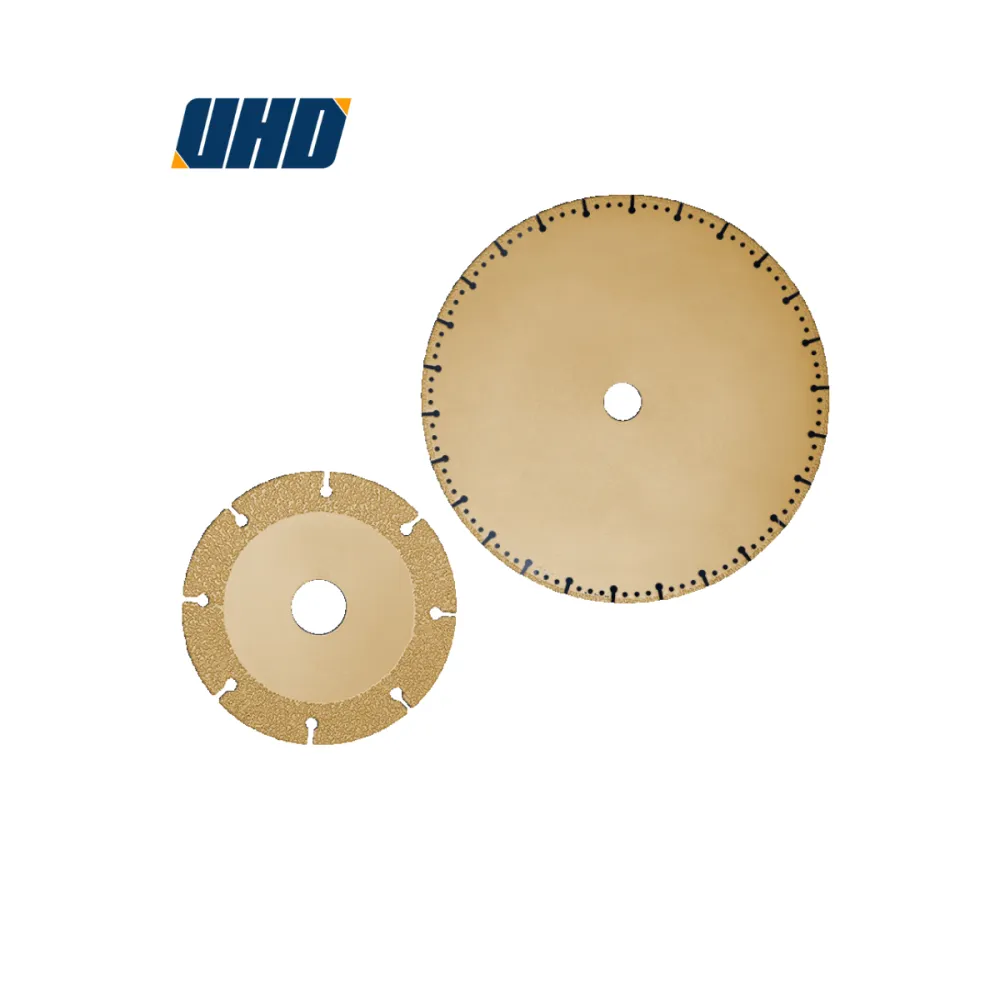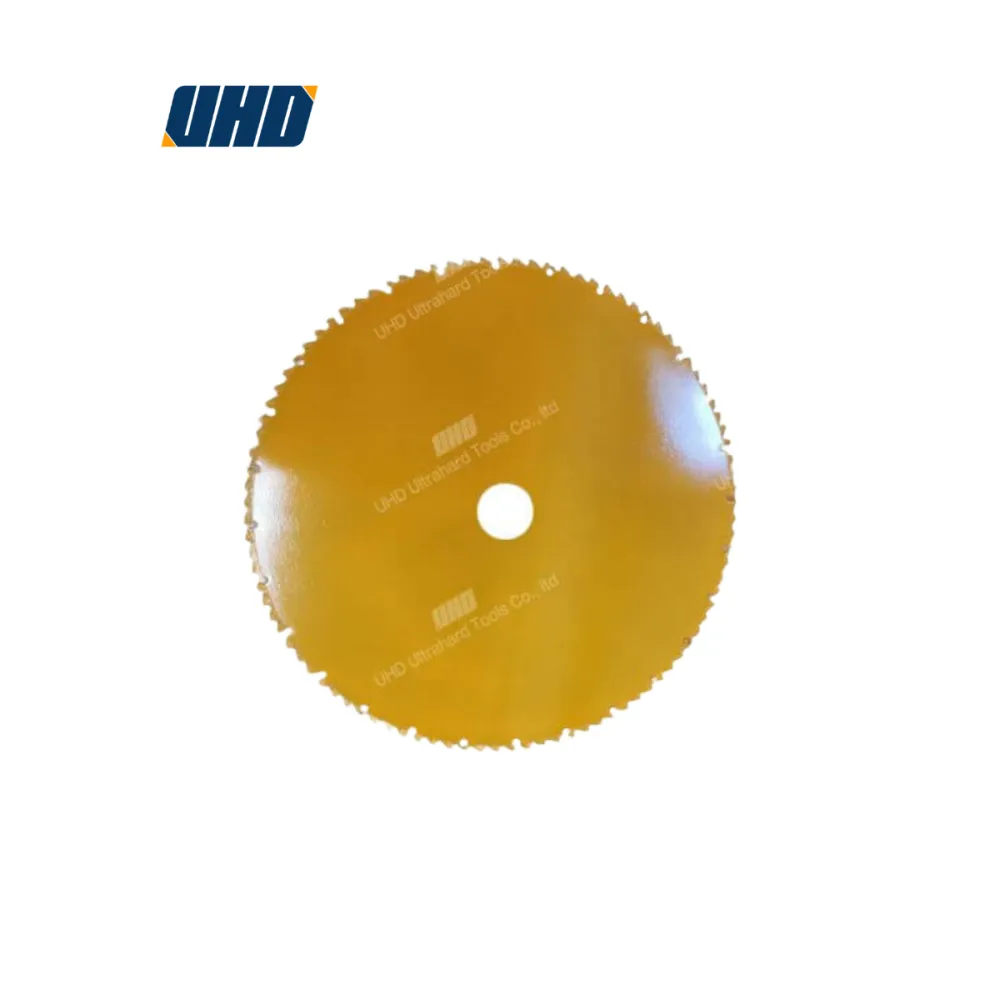
Brazed diamond blades have become indispensable tools in the construction and stone processing industries, especially when it comes to efficiently cutting hard materials like concrete, natural stone, and ceramic tiles. UHD’s 400mm brazed diamond blades stand out for their robust design and superior durability, embodying the brand’s ethos — “Durability is the real strength.” This article explores the technical principles behind brazed diamond blade cutting and practical operational insights that empower professionals to optimize productivity and blade lifespan.
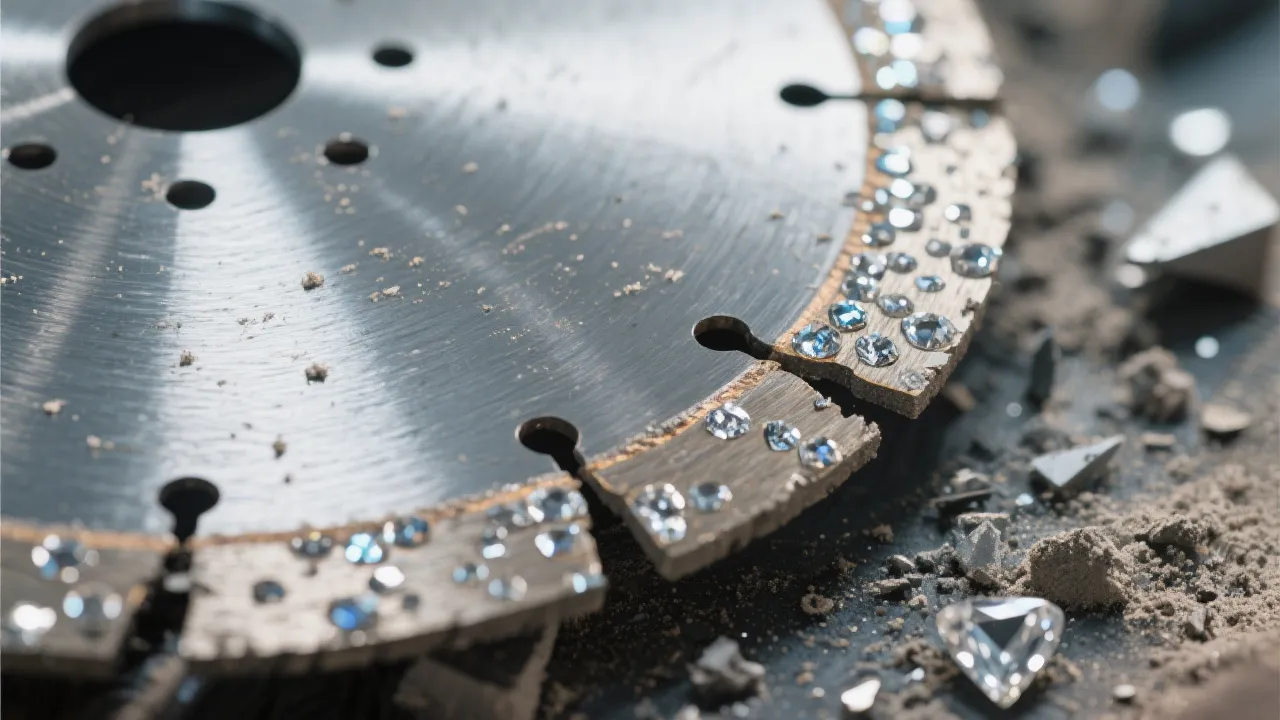
Brazed diamond blades differ fundamentally from other diamond saw blades by employing a metallurgy-based process where diamond particles are metallurgically bonded to the steel core via brazing. This construction results in a continuous diamond edge that offers:
When cutting hard materials, the blade acts by grinding through the surface via these embedded diamond crystals rather than slicing, which requires maintaining an optimal combination of cutting speed and applied pressure to prevent premature wear or blade damage.
One of the key operational factors is balancing cutting speed and pressure. For example, UHD’s 400mm brazed diamond blades achieve peak performance at rotational speeds around 3000 RPM with recommended feed pressures between 20 to 40 N. Exceeding these parameters risks overheating and accelerated diamond loss, whereas underutilization may lead to inefficient cutting and increased operational costs.
Moreover, feed rate should be adapted to the material hardness:
Effective cooling not only prolongs blade lifespan but also mitigates the risk of thermal damage and material cracking. UHD’s brazed diamond blades ideally use wet cutting methods, employing continuous water supply to:
However, in environments where wet cutting is not feasible, dry cutting with intermittent feed and controlled cooling breaks can be implemented. This requires experienced operators and blade monitoring to avoid overheating.
During a recent UHD project involving reinforced concrete beams, operators noted inconsistent cut depths and blade glazing. A technical review revealed excessive feed pressure (>50N) and inadequate water flow as primary causes. Adjusting feed pressure to 30N and doubling coolant volume improved cutting efficiency by 25% and extended blade life by approximately 30%.
In natural stone applications, insufficient blade speed caused excessive edge chipping. Increasing blade RPM by 15% while reducing feed rate minimized fracturing, highlighting the need for precise parameter tuning per material.
Cutting hard materials demands strict adherence to safety protocols. Operators must wear appropriate PPE including eye protection, respirators, and gloves. Additionally, machines should be regularly maintained, and cutting precision must be monitored via digital gauges or laser guides to ensure compliance with engineering tolerances.
Regular blade inspections for wear and damage prevent unexpected failures, maintaining workplace safety and consistent quality output.