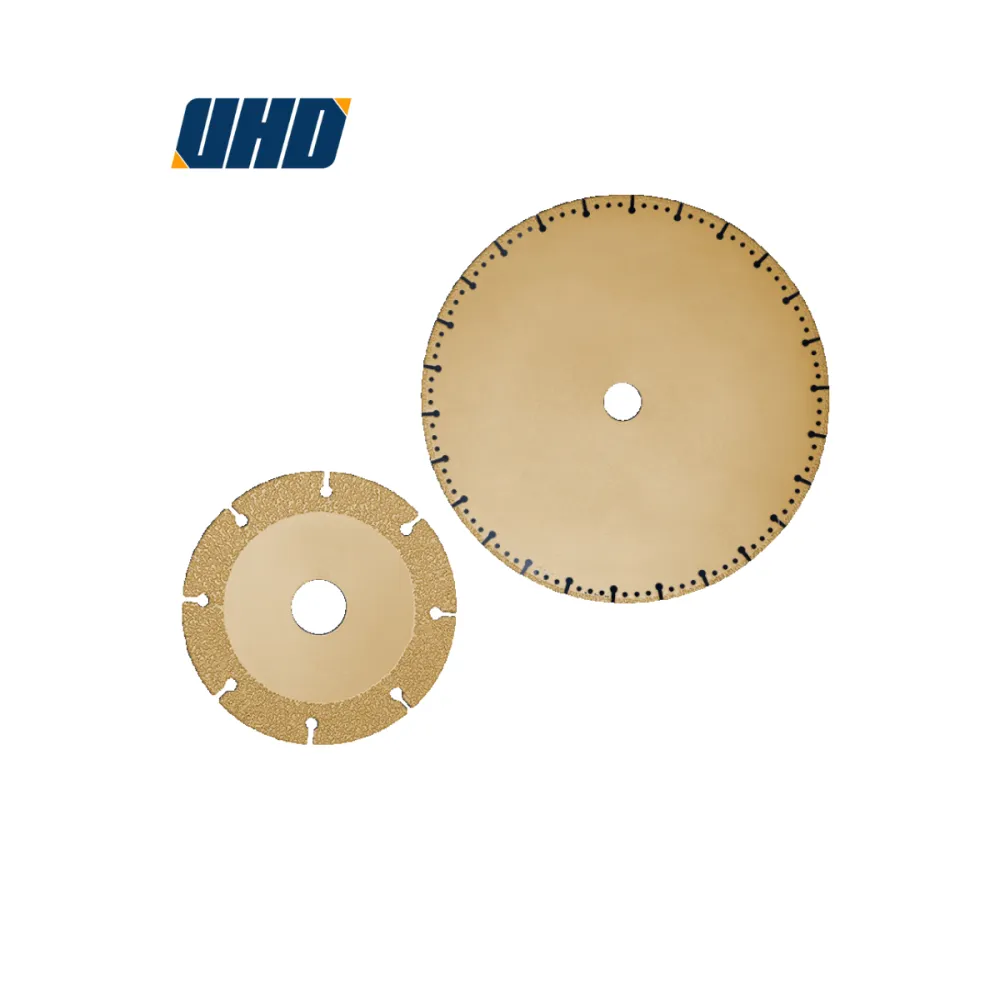
When it comes to cutting high-hardness materials like gray cast iron, stainless steel, or tungsten carbide, choosing the wrong saw blade can mean costly downtime, safety risks, and poor cut quality. According to industry data from Tooling & Metalworking Journal (2023), over 60% of industrial users report increased operational costs due to suboptimal blade selection in abrasive applications.
“The key isn’t just sharpness—it’s how well the diamond segment bonds with the base metal under thermal stress.” — Dr. Lena Müller, Senior Materials Engineer at Global Cutting Solutions
Unlike electroplated or sintered blades, brazed diamond saw blades offer superior bond strength—up to 40% higher tensile strength in high-temperature environments (per ASTM D3700 testing). This makes them ideal for continuous cutting tasks where heat buildup is inevitable.
| Parameter | Ideal for High-Hardness Cutting | Typical Value Range |
|---|---|---|
| Diamond Grain Size | Coarse (30–60 mesh) | 30–60 mesh |
| Bond Type | Medium-hard copper-based alloy | Hardness: HRC 45–50 |
| Segment Thickness | 2.5–3.5 mm | 2.5–3.5 mm |
| Coolant Compatibility | Water-soluble coolant-friendly | Compatible with ISO 1219 standards |
A leading automotive parts manufacturer in Bavaria switched from conventional sintered blades to our brazed diamond solution when cutting hardened tool steels (HRC 60+). Within three months:
These results weren’t just about performance—they translated into real savings: an estimated $18,000/month in reduced replacement costs and labor time, according to their procurement manager.
Always ask suppliers for a thermal shock test report before bulk orders. Poor bonding under repeated heating/cooling cycles leads to premature chipping—even if the blade looks perfect at first glance.
As global demand for precision machining grows—with projections showing a 7.2% CAGR in industrial cutting tools through 2027 (Statista 2024)—companies must prioritize not only cost per unit but total cost of ownership (TCO).