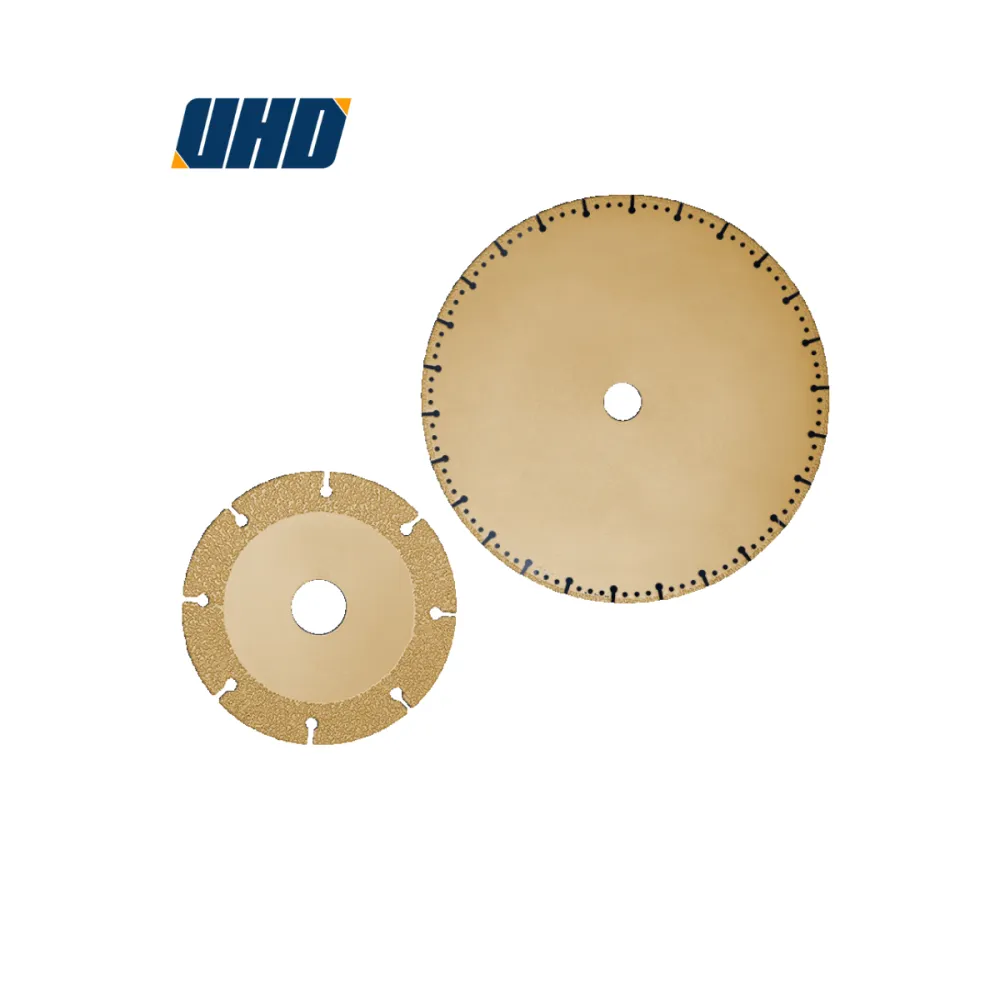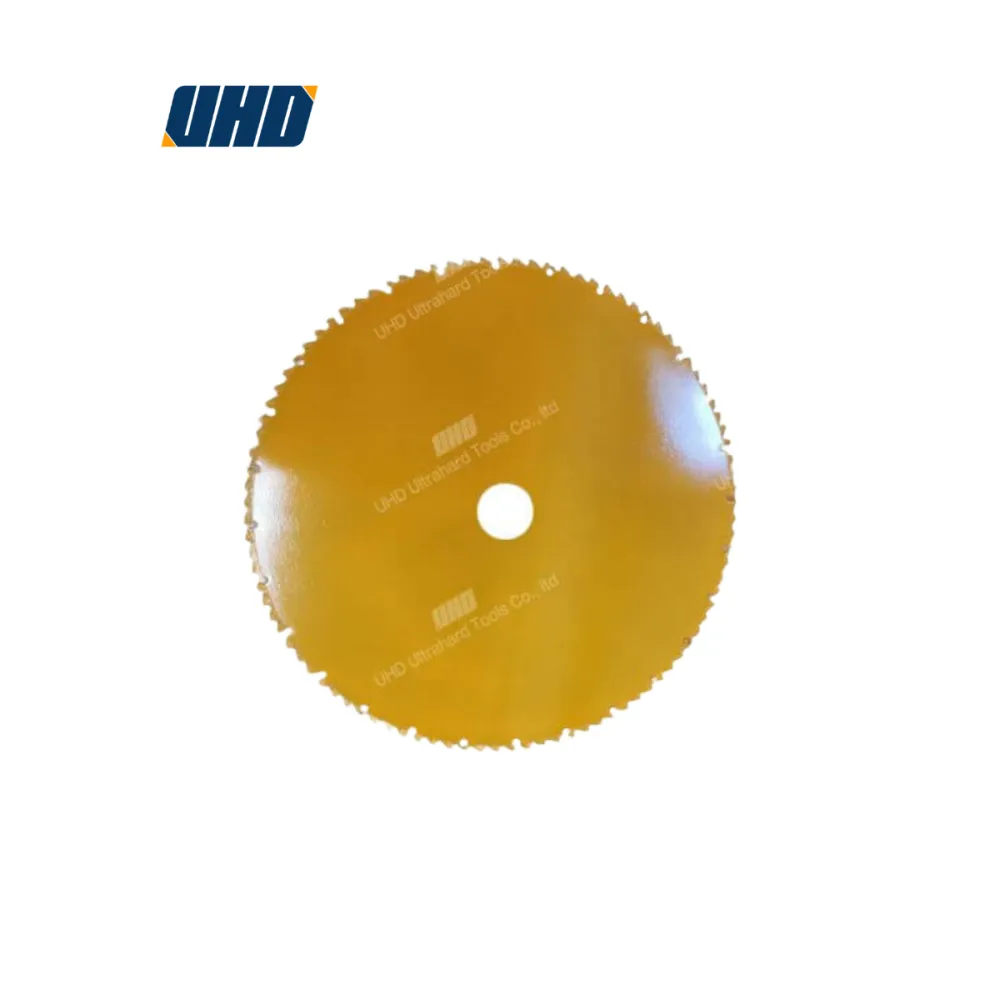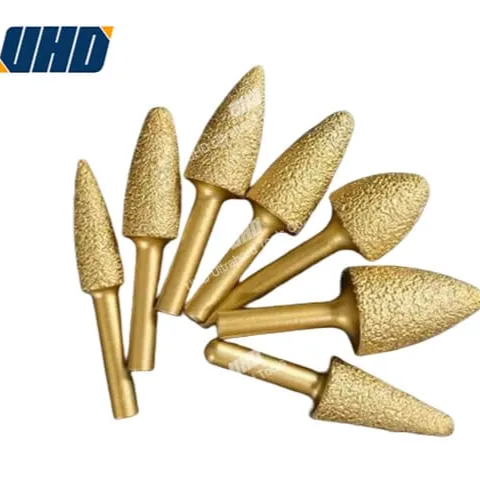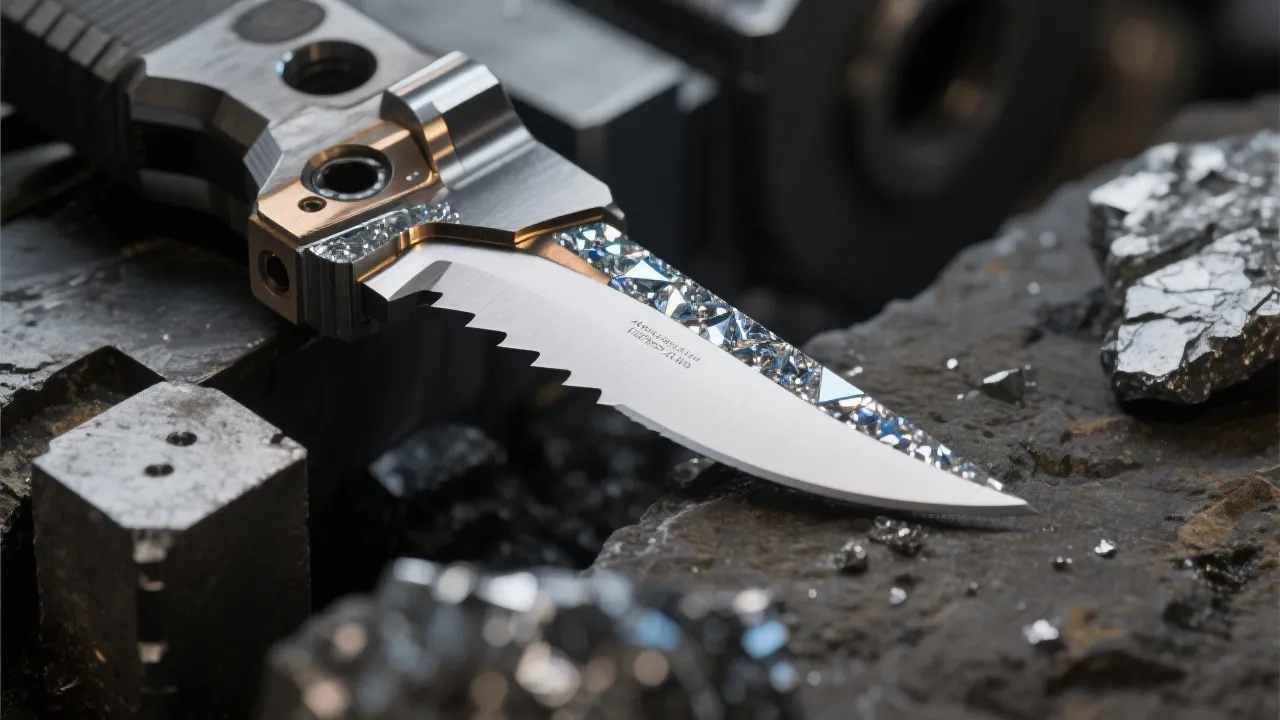
In the world of hard material cutting, professionals constantly seek tools that deliver both precision and durability. Brazed diamond saw blades have emerged as a game-changer, offering significant advantages over traditional cutting tools. This article explores the engineering principles that make these blades superior, examining how diamond particle arrangement and advanced brazing techniques contribute to their exceptional performance.
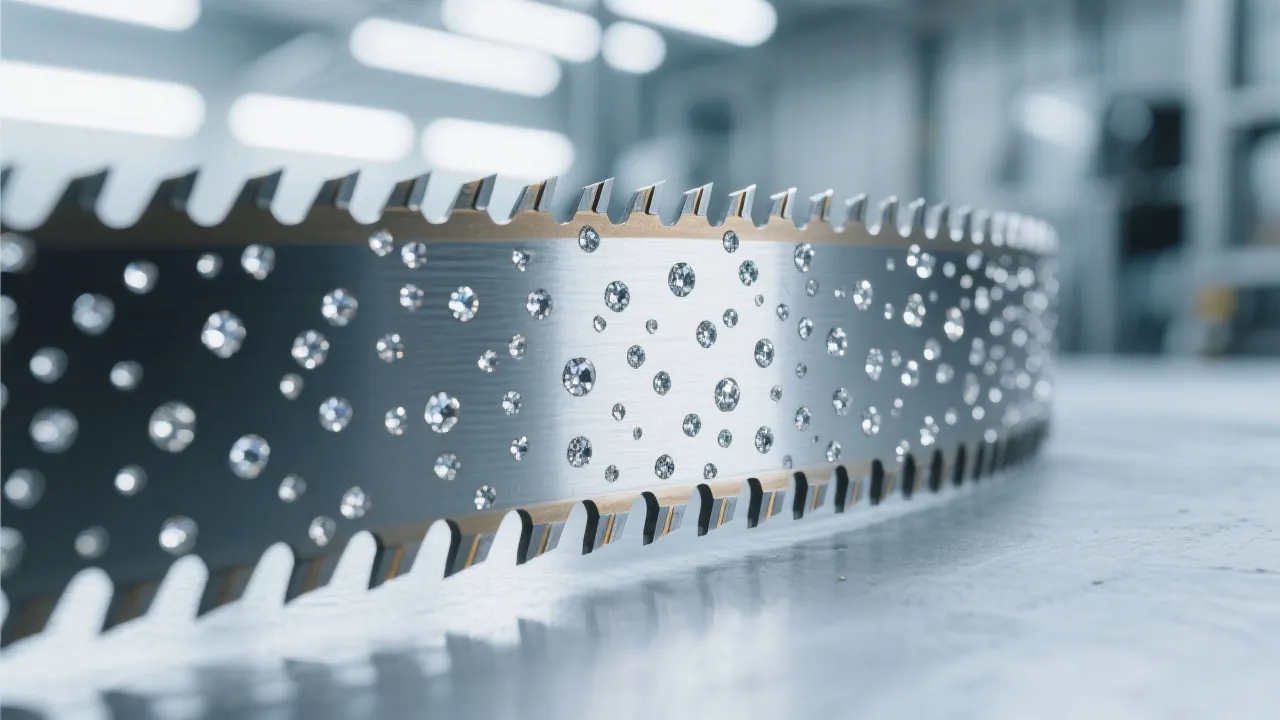
At the heart of every high-performance brazed diamond saw blade lies a sophisticated interaction between diamond particles and the metal matrix. Unlike conventional bonding methods, brazing creates a metallurgical bond between the diamond grit and the blade's substrate, ensuring optimal load transfer and heat dissipation.
The process involves heating a brazing alloy to temperatures between 700-950°C, allowing it to flow around the diamond particles and form a strong chemical bond. This results in approximately 30-40% higher diamond exposure compared to sintered blades, significantly enhancing cutting efficiency while maintaining particle retention.
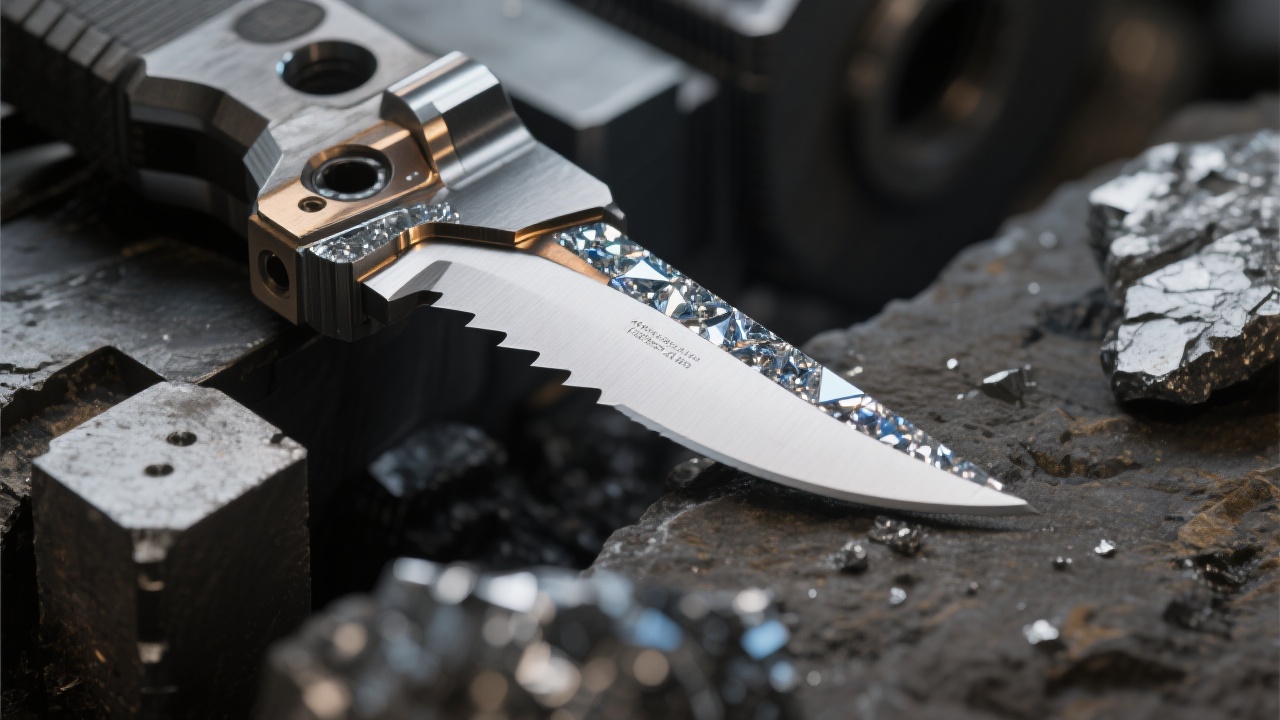
The metallurgical bond created through brazing technology ensures that diamond particles remain securely attached to the blade matrix even under extreme cutting conditions. This bond strength allows for higher cutting speeds – typically 15-25% faster than sintered blades when cutting granite, marble, and concrete.
Modern brazed diamond saw blades incorporate sophisticated structural features that address two critical challenges: vibration control and heat dissipation. These design elements work in harmony to enhance both cutting performance and operator safety.
Strategically placed laser-cut expansion slots reduce blade warping during operation, maintaining cutting precision even after extended use. Computational fluid dynamics analysis has optimized coolant flow channels, reducing operating temperatures by an average of 45°C compared to conventional blade designs.
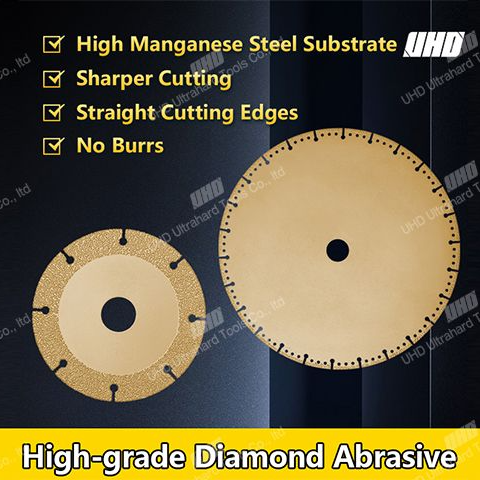
When evaluating cutting tools, performance in actual working conditions matters most. Brazed diamond saw blades consistently outperform other types in key metrics across various applications:
Choosing the optimal brazed diamond saw blade requires consideration of several key factors. The hardness and abrasiveness of the material being cut should dictate diamond grit size and concentration. For example, softer materials like limestone typically require coarser grit (20-30 mesh), while harder materials like granite benefit from finer grit (30-40 mesh).
Segment design also plays a crucial role. Continuous rim blades deliver the finest finish for precision cutting, while segmented designs excel in high-speed, heavy-duty applications. It's essential to match the blade's arbor size and maximum RPM rating with your equipment specifications to ensure safe operation.

Discover how Yode Superhard's advanced brazed diamond saw blade technology can transform your cutting operations, reducing downtime and increasing productivity.
Explore Yode Superhard Brazed Diamond Saw BladesAs cutting technology continues to evolve, brazed diamond saw blades represent the pinnacle of performance for professionals working with hard materials. By understanding the science behind their design and selecting the right blade for each application, operators can achieve unprecedented levels of efficiency, precision, and cost-effectiveness in their cutting operations.