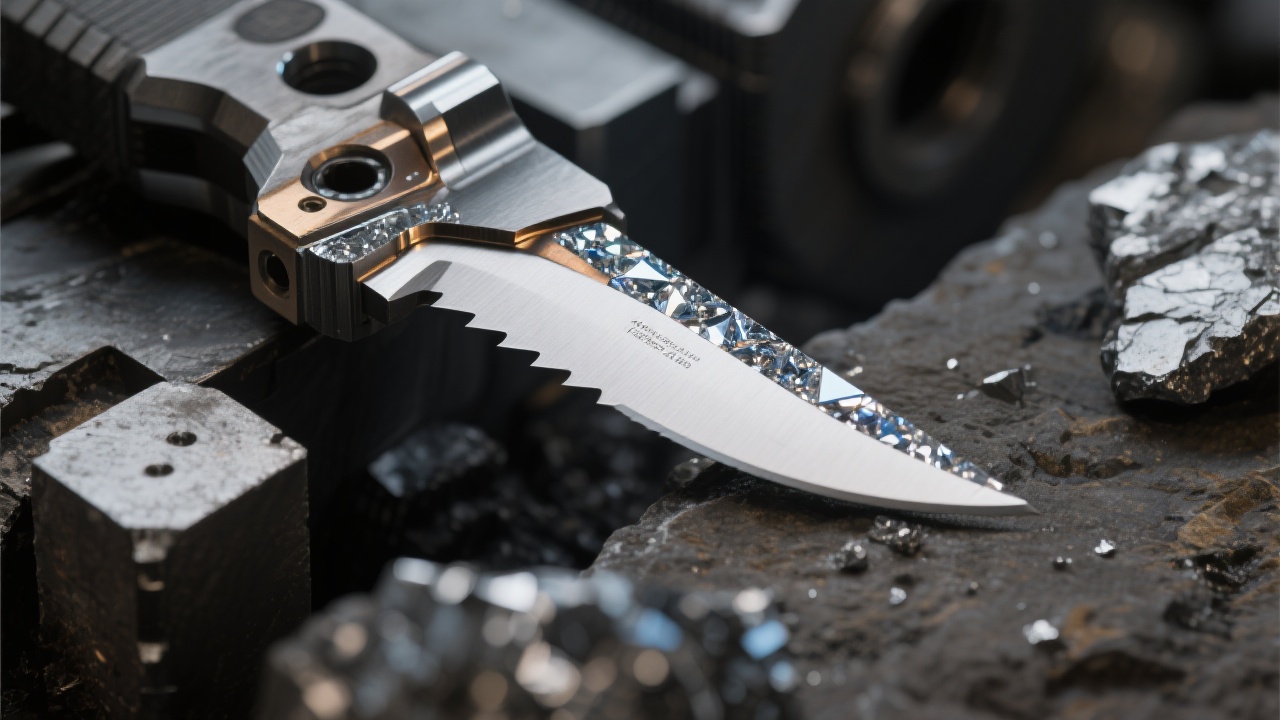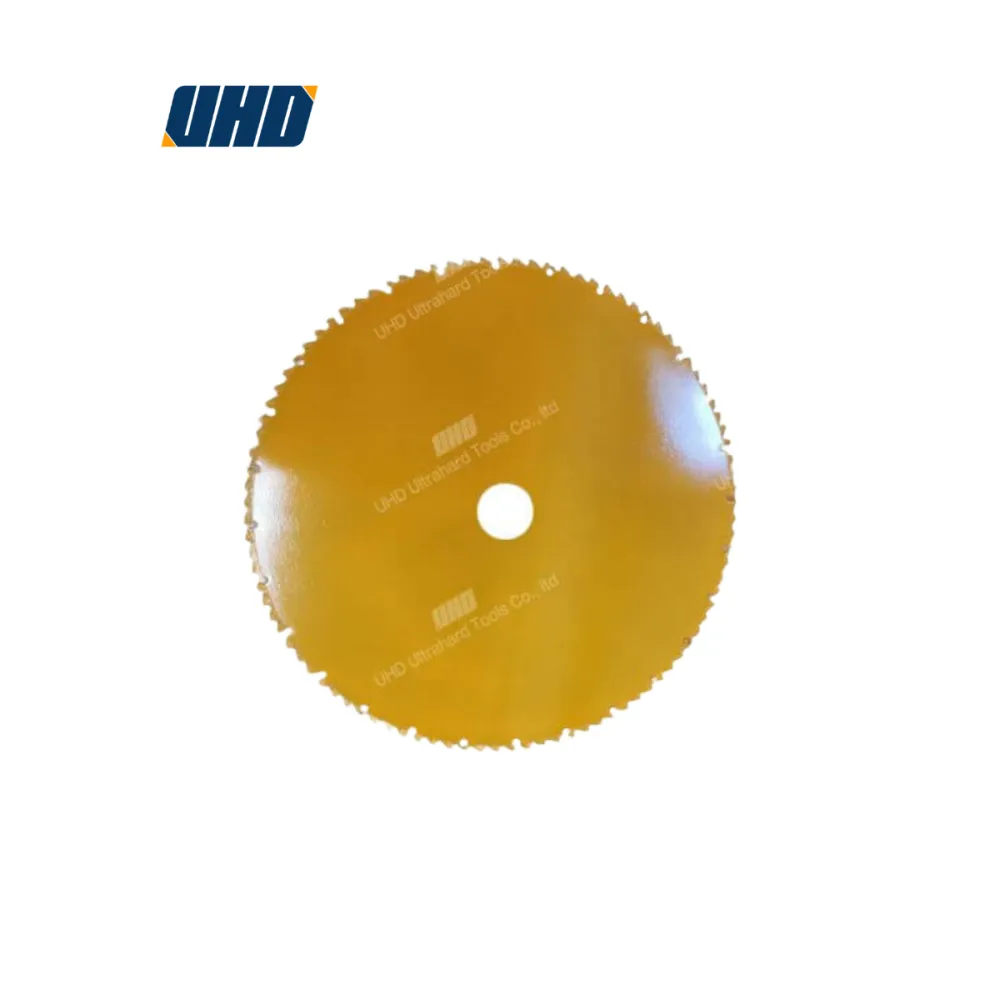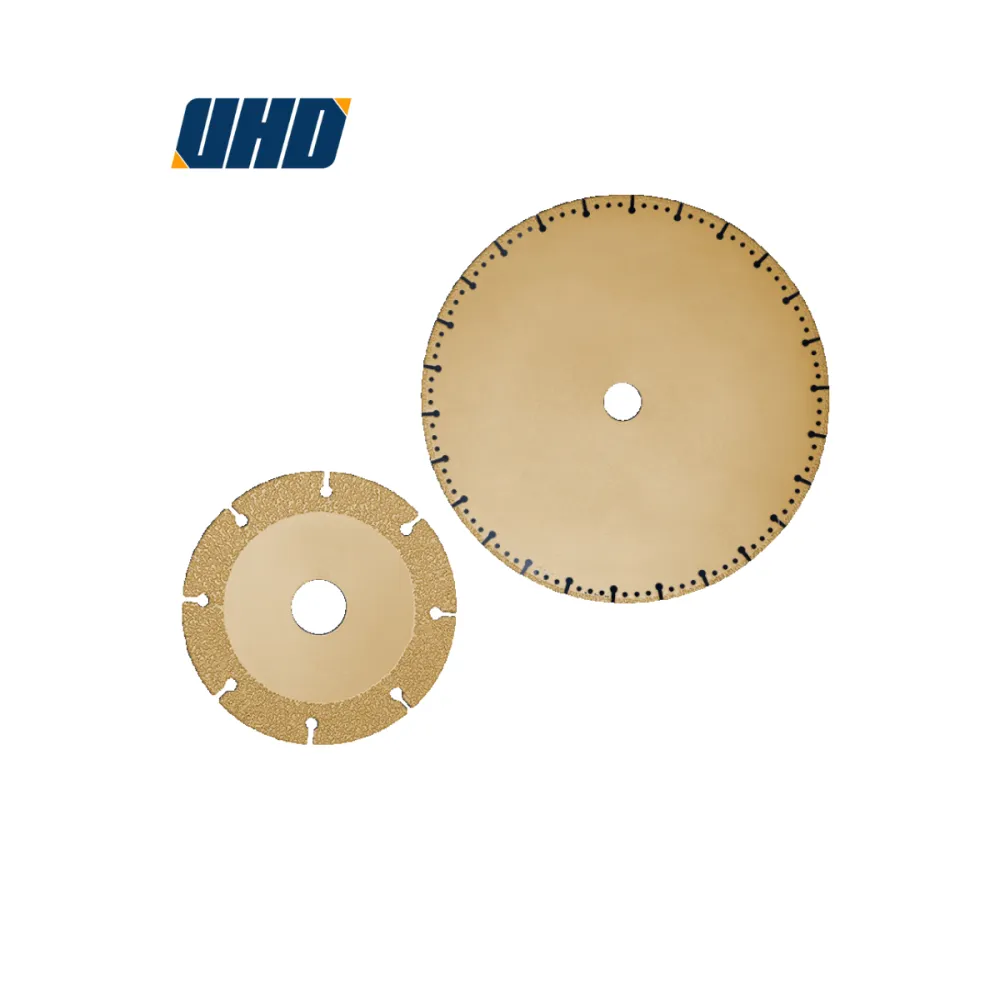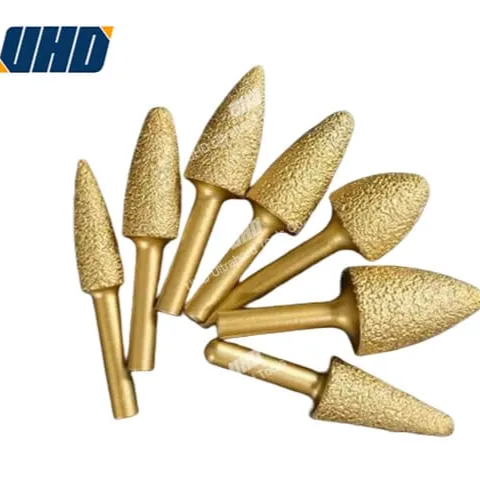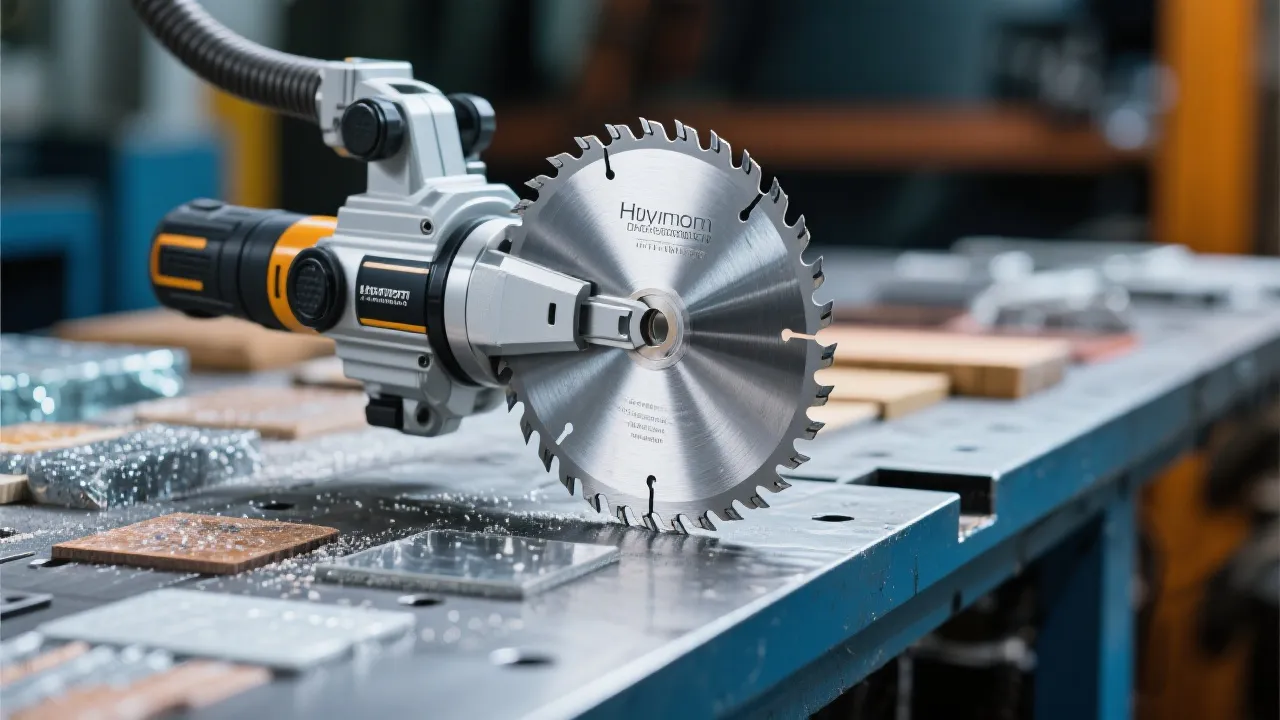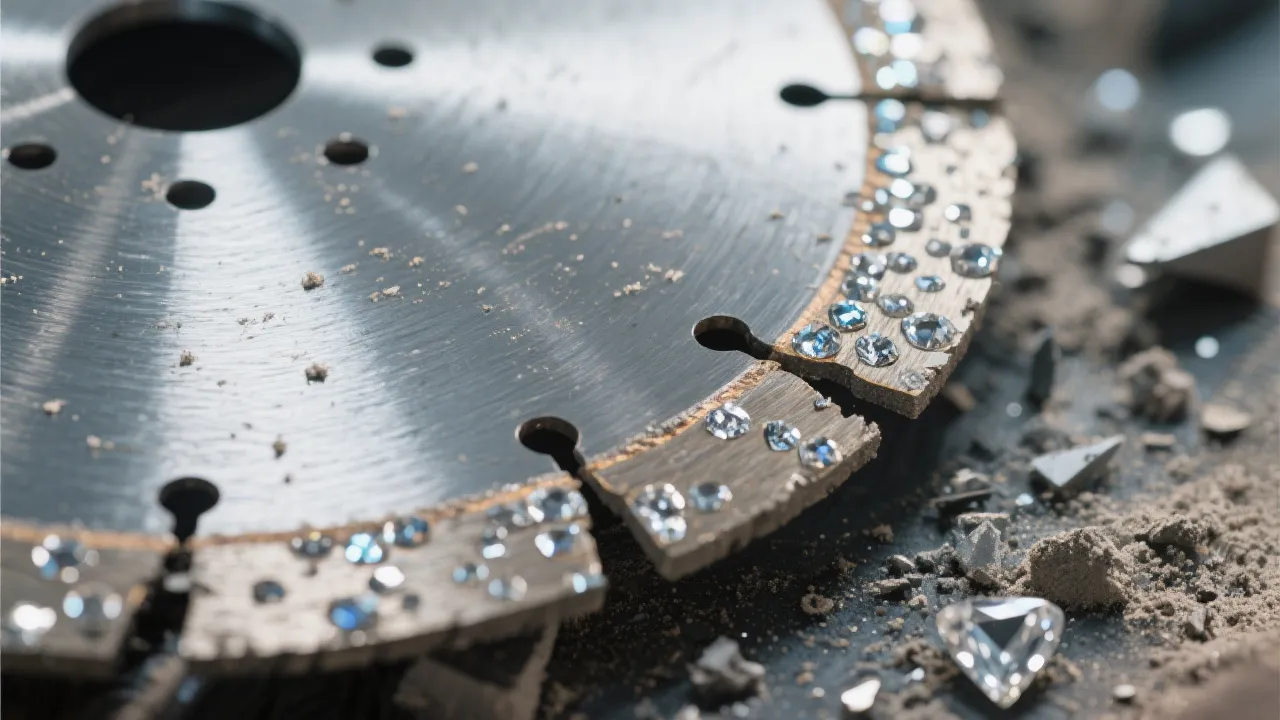
The brazed diamond saw blade represents a pinnacle of cutting tool engineering, designed to excel in the machining of ultra-hard materials such as concrete, granite, marble, and ceramics. This article explores the fundamental working principles of brazing technology in diamond blade manufacturing, emphasizing its crucial role in ensuring diamond particle retention, enhancing wear resistance, and optimizing cutting efficiency.
Brazing employs a high-temperature metallurgical joining process in which diamond particles are firmly bonded onto the saw blade substrate using a filler metal alloy. Unlike electroplated or sintered blades, brazed blades feature diamond segments mechanically and chemically fixed through this strong metallurgical bond. This ensures minimal diamond loss during operation, extending blade longevity and maintaining consistent cutting performance.
Specifically, the brazing temperature—typically ranging between 780°C to 950°C—enables the filler metal to flow into micro-voids between the diamond grains and substrate, forming an intermetallic bond stronger than traditional adhesives. This robust attachment improves abrasion resistance by up to 30%, based on controlled comparative testing, while maintaining a sharp cutting edge during high-stress applications.
The structural design of brazed diamond saw blades integrates vital features aimed at reducing operational vibrations and accelerating heat dissipation. Vibrations during cutting not only degrade cut accuracy but also accelerate material fatigue. Modern blades incorporate engineered segment geometries and optimized blade core thickness, which effectively dampen oscillations by approximately 20% compared to conventional designs.
Heat accumulation, if uncontrolled, can soften the bonding matrix and degrade diamond integrity. Advanced saw blade designs employ strategically placed ventilation slots and heat sinks, facilitating rapid thermal transfer away from the cutting zone. This cooling not only preserves diamond sharpness but also improves operator safety by maintaining lower blade surface temperatures during prolonged use.
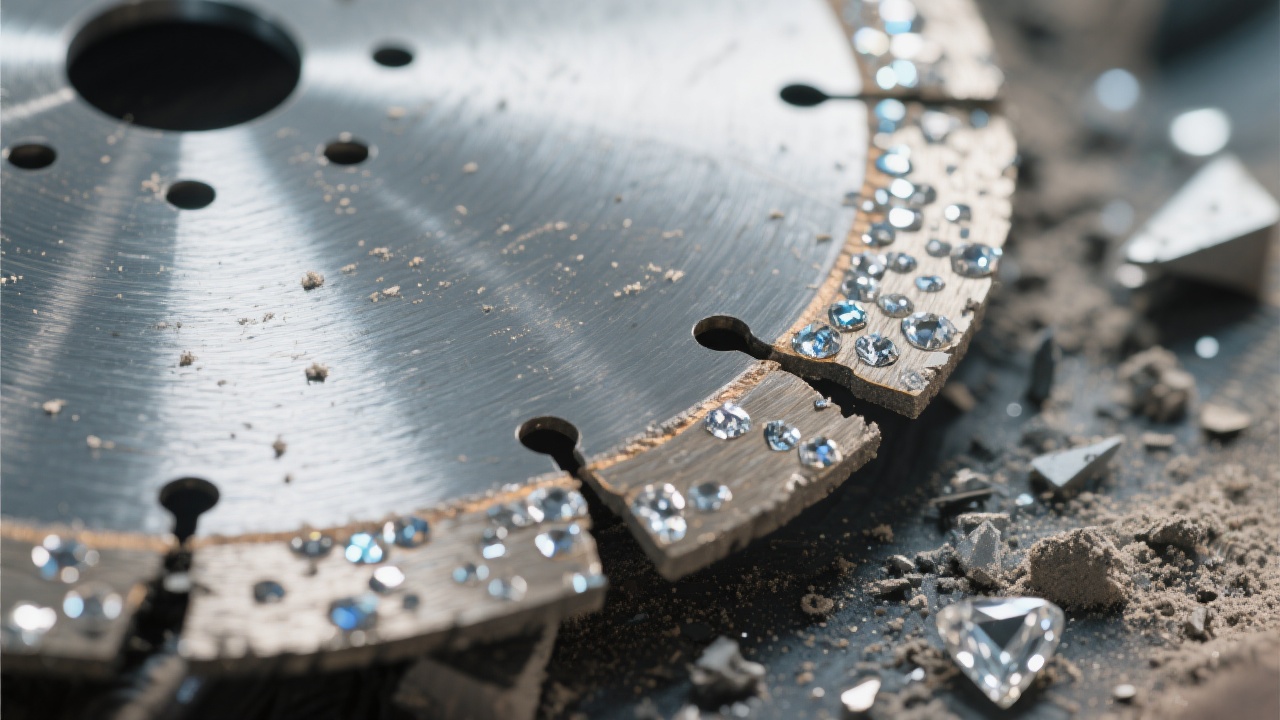
Brazed diamond saw blades demonstrate exceptional performance in processing a spectrum of hard materials. For instance, when cutting high-density concrete with compressive strengths exceeding 40 MPa, brazed blades exhibit up to 25% higher cutting speed and fourfold longer service life than resin-bonded or electroplated counterparts. Similarly, in processing igneous stones like granite, their resistance to grain pull-out ensures cleaner edges and minimized surface chipping.
Furthermore, specialized designs accommodate diverse applications from precision tile cutting to large-scale construction demolition, adapting to material hardness variations while maintaining high thermal stability and cutting accuracy. Their versatility ensures applicability in both handheld and mechanized cutting tools.
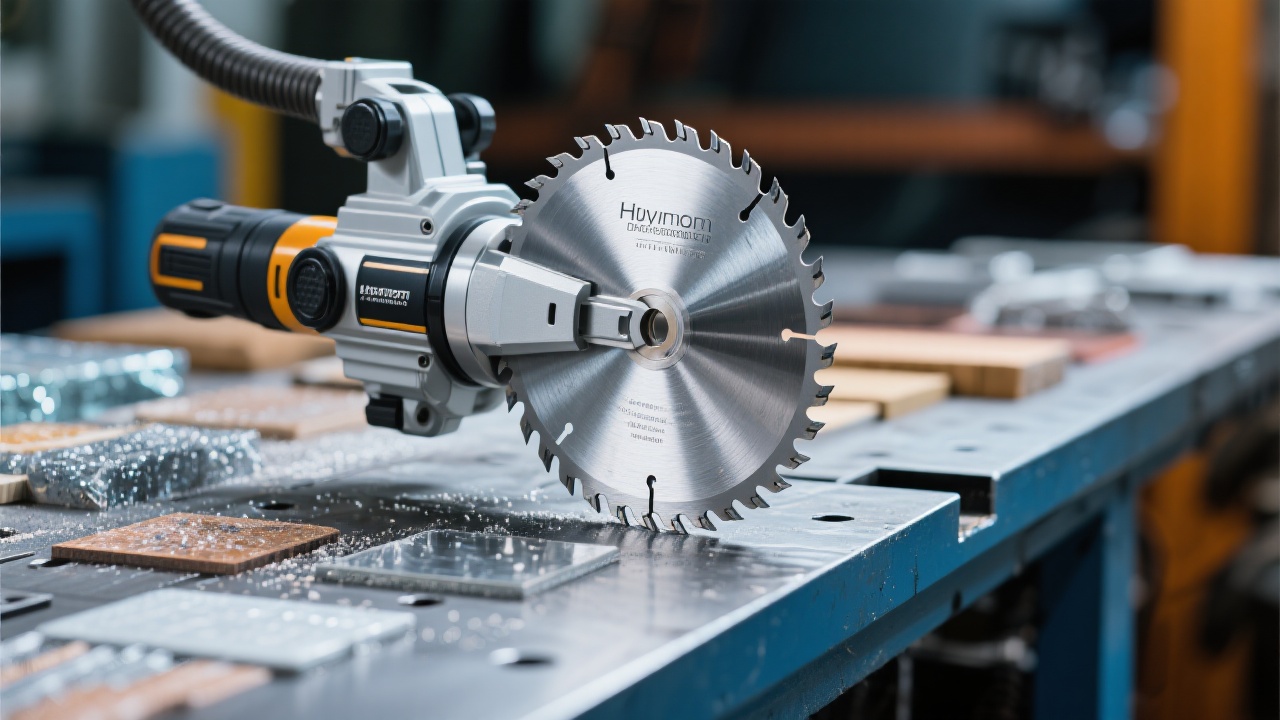
Compared to sintered and electroplated blades, brazed diamond saw blades offer superior bonding strength that minimizes premature diamond shedding—a primary failure mode in abrasive cutting. Sintered blades, although cost-effective, suffer from less precise diamond distribution and quicker wear. Electroplated blades provide sharp initial cuts but generally experience faster decline in diamond retention under sustained heavy-duty use.
Performance metrics indicate brazed blades maintain over 80% of their initial cutting efficiency after 200 linear meters of hard stone cutting, whereas electroplated variants typically drop below 60% over the same distance. This longevity translates into higher productivity and lower operational costs.
When choosing a brazed diamond saw blade, users should consider:
Best practices include maintaining adequate water cooling during wet cutting to further enhance heat dissipation, performing routine blade inspection for any segment damage, and employing proper feed rates to avoid overloading the blade.