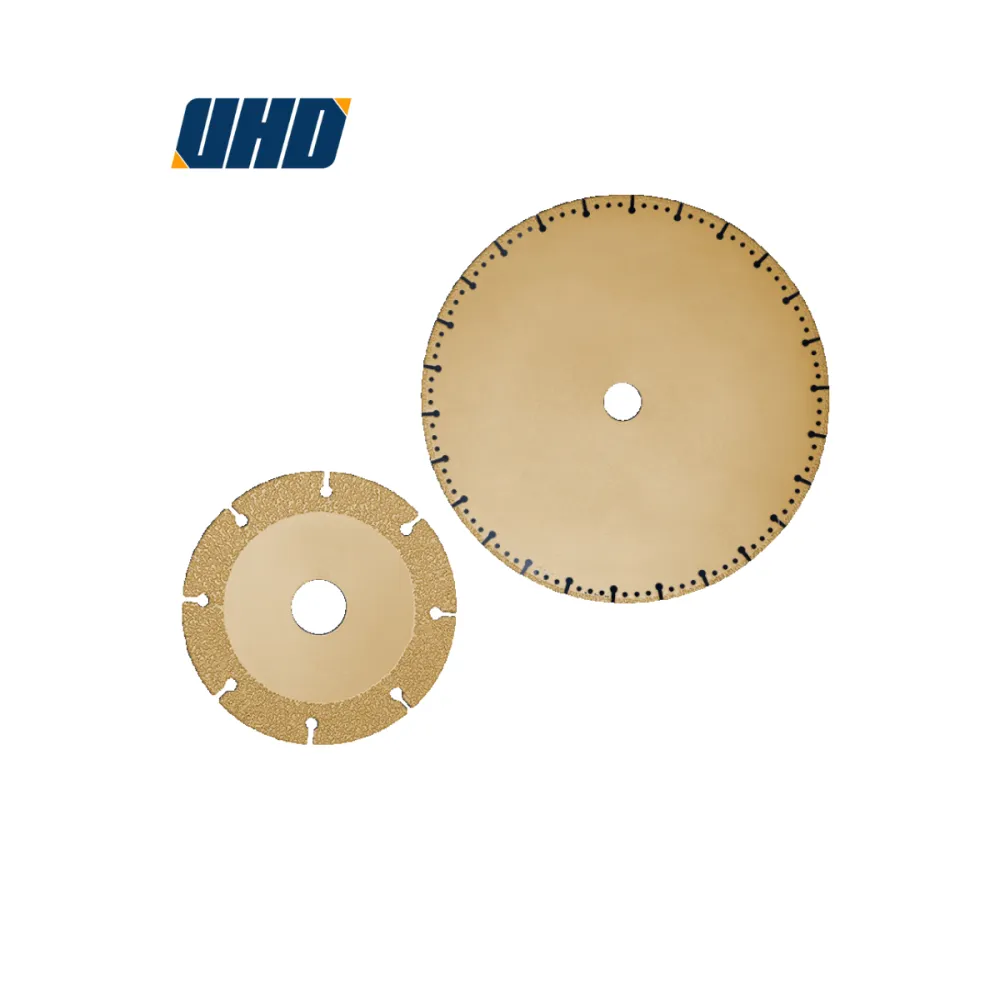
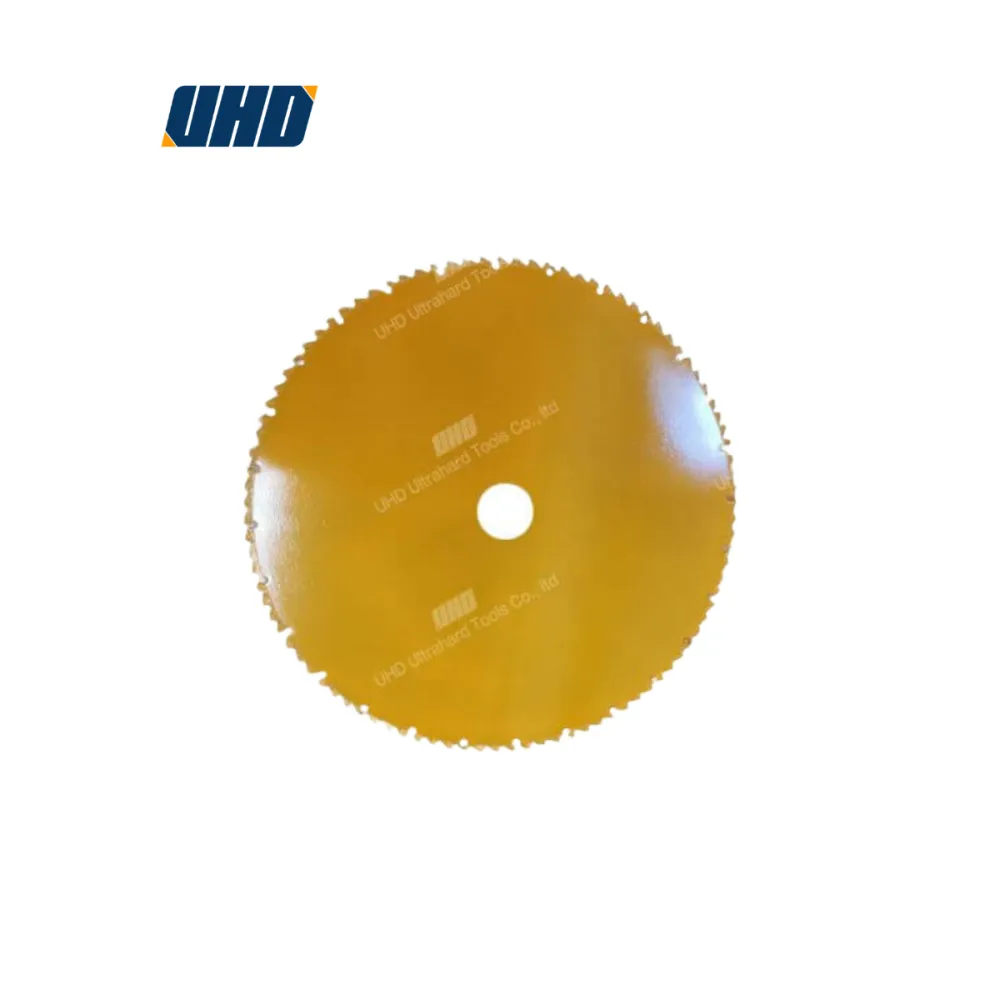
When it comes to cutting hard materials like stainless steel, gray cast iron, or ceramics, the choice of diamond blade can make or break your production efficiency—and safety. While electroplated diamond blades have long been a go-to for budget-conscious buyers, recent data shows that brazed diamond blades are now the preferred solution for professionals seeking long-term cost savings, higher precision, and enhanced workplace safety.
Electroplated blades typically offer lower upfront costs but suffer from rapid wear—especially under high-load conditions. In real-world testing conducted by a European machine shop specializing in aerospace components, electroplated blades averaged just 4–6 hours of continuous use before needing replacement. By contrast, brazed blades lasted between 18–24 hours on the same tasks—a 3x improvement in durability.
| Feature | Electroplated Blade | Brazed Blade |
|---|---|---|
| Avg. Lifespan (hrs) | 4–6 | 18–24 |
| Dust Emission Level | High | Low to Moderate |
| Cutting Accuracy | Moderate | High |
“We switched from electroplated to brazed blades six months ago. Our blade change frequency dropped by 75%, and our team reported fewer dust-related health complaints. It’s not just about saving money—it’s about working smarter and safer.”
— Maria Lopez, Operations Manager at MetalCraft Solutions, Spain
Brazed blades use advanced metallurgical bonding techniques—typically with high-manganese steel substrates—that distribute diamond grit more evenly across the cutting edge. This uniformity prevents premature wear and ensures consistent performance over time. Unlike electroplating, which only coats the surface, brazing integrates the diamonds into the matrix, making them less prone to chipping or loss during aggressive cuts.
In a comparative study involving 12 industrial users across Germany, Italy, and the UAE, brazed blades showed a 30% reduction in tool-related downtime and a 22% increase in overall cutting speed when processing hardened steel. These gains directly translate to higher throughput and reduced labor costs per unit.
Modern factories prioritize occupational health standards. The lower dust emissions from brazed blades align better with ISO 4414 and OSHA guidelines. One U.S.-based manufacturer noted a 40% drop in respiratory protection usage after switching to brazed blades—leading to improved worker satisfaction and fewer compliance risks.
Pro Tip: When evaluating new tools, don’t just look at price per unit—calculate total cost of ownership (TCO). A brazed blade may cost 20–30% more upfront, but its extended life and reduced waste mean you save up to 50% annually in operational expenses.
If you’re serious about boosting productivity while protecting your team and bottom line, it’s time to rethink your blade strategy. Whether you're machining automotive parts, construction materials, or precision metal components, brazed diamond blades deliver the reliability and performance that modern industry demands.
Explore Our Premium Brazed Diamond Blades – Engineered for Performance & Safety