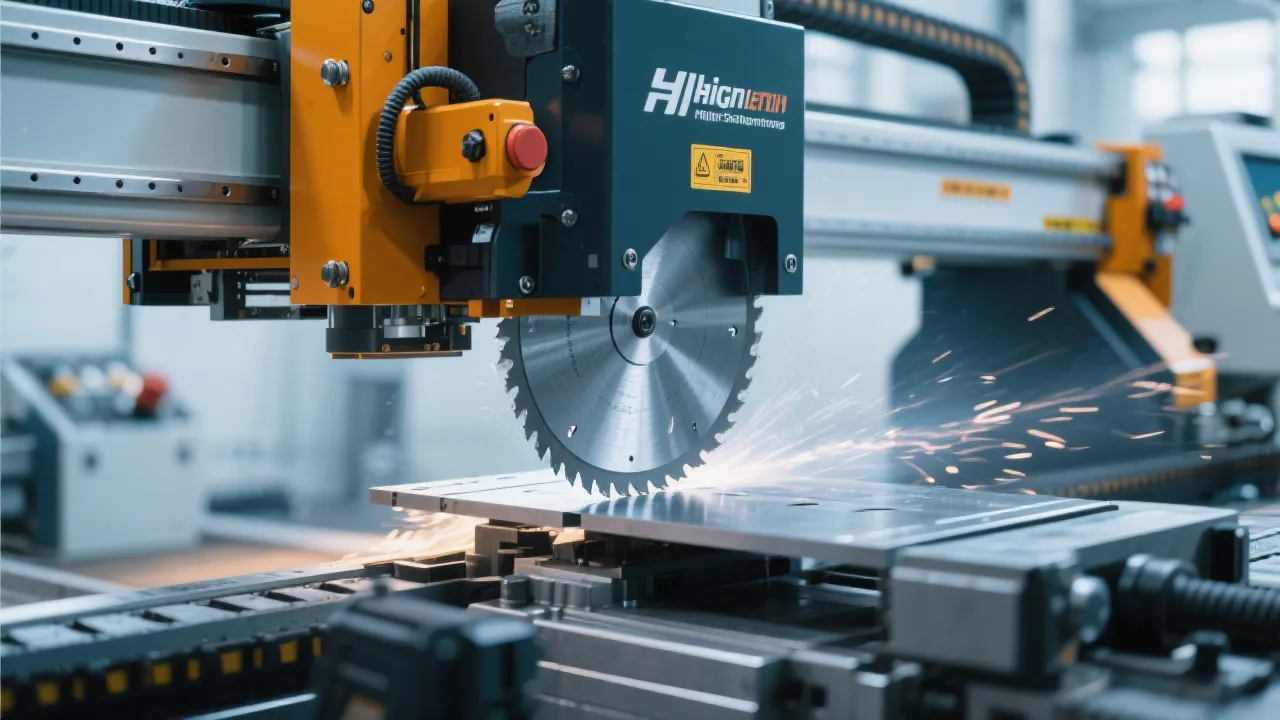
In ceramic tile installation, achieving a flawless cut is critical for quality and efficiency. Yet, 90% of construction teams admit to struggling with frequent errors that cause edge chipping, cracks, and unnecessary material loss. Understanding these common mistakes and mastering targeted technical strategies not only protects your investment but also ensures professional-grade results. UHD brings you an in-depth guide that demystifies typical cutting errors, explains their causes, and offers actionable steps to elevate your craftsmanship.
Cutting ceramic tiles might seem straightforward, but several subtle missteps sabotage accuracy and cause damage. The most prevalent errors include:
Each of these mistakes impacts the mechanical and thermal integrity of tiles. For example, excessive pressure and poor feed rates cause mechanical stress concentration, leading to edge chips visible to clients. Heat accumulation from inadequate cooling accelerates thermal stress, causing hairline cracks invisible immediately but compromising durability. Blades with suboptimal diamond distribution fail to maintain sharpness and control, forcing operators to push harder, compounding errors.
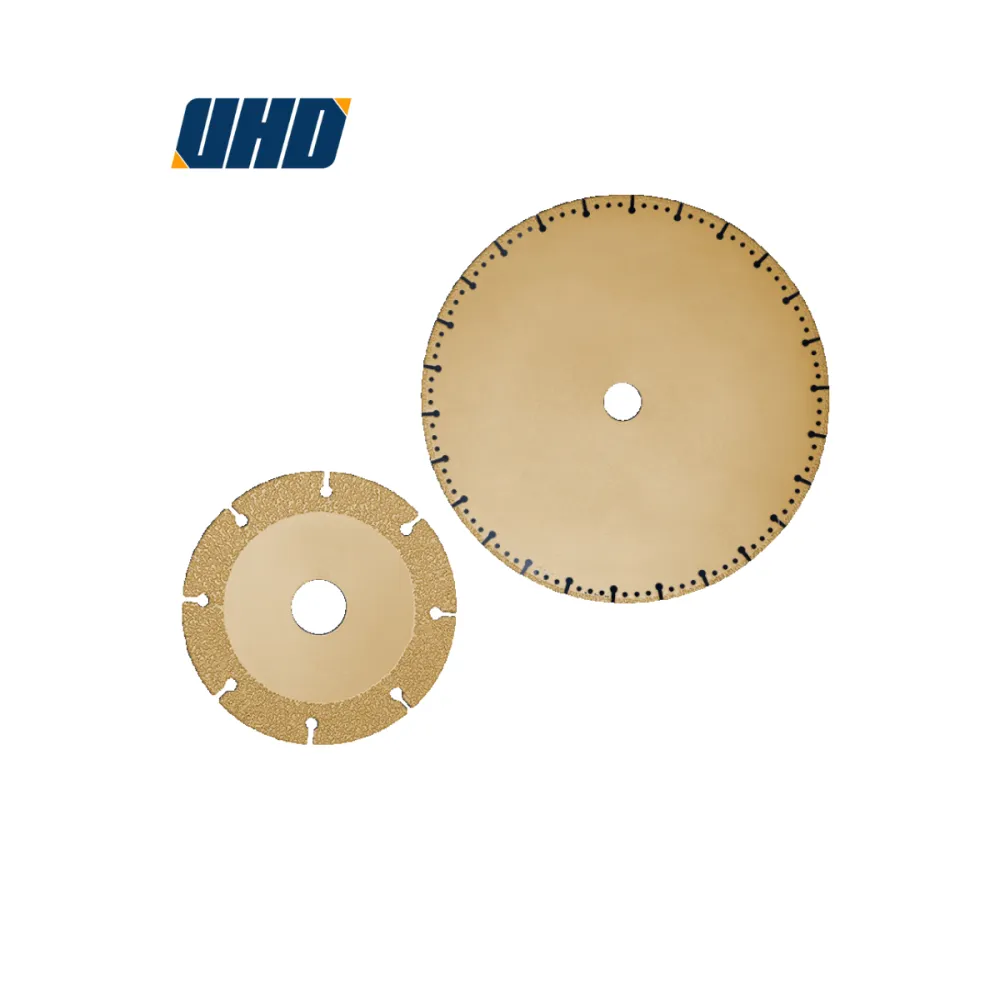
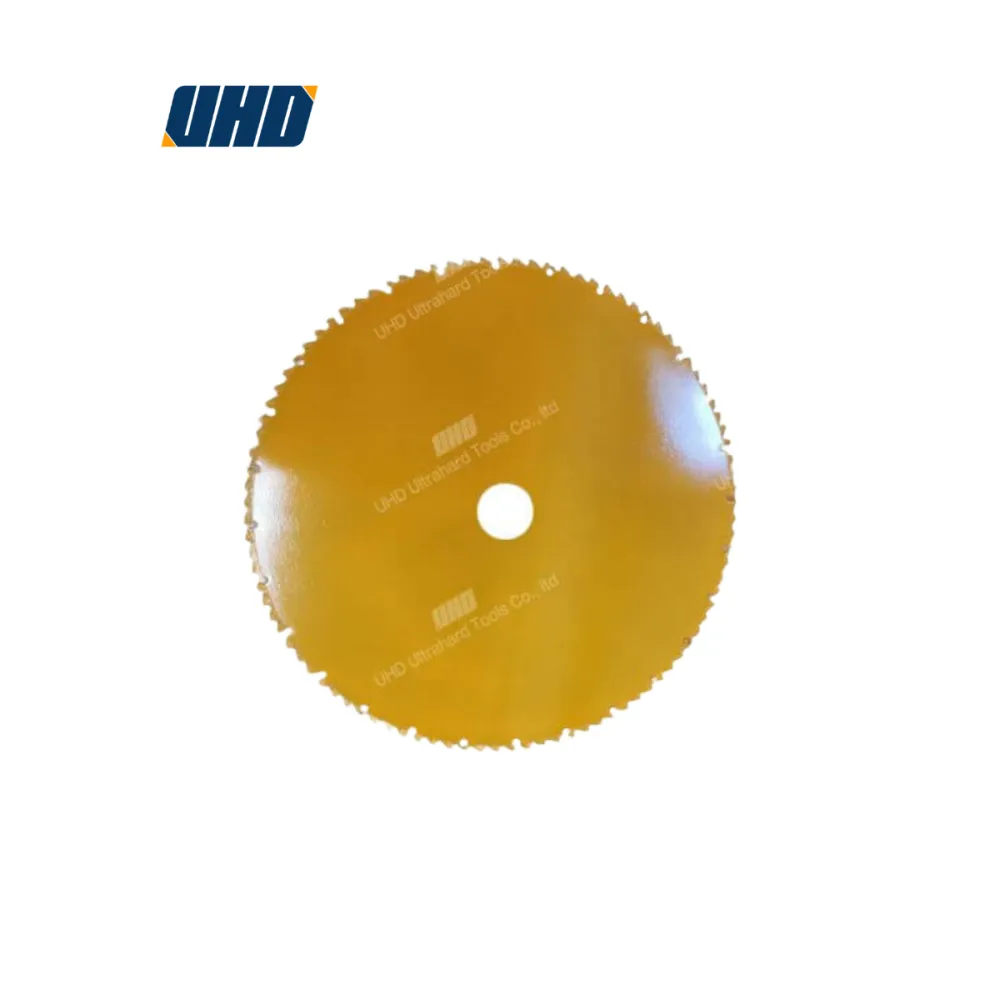
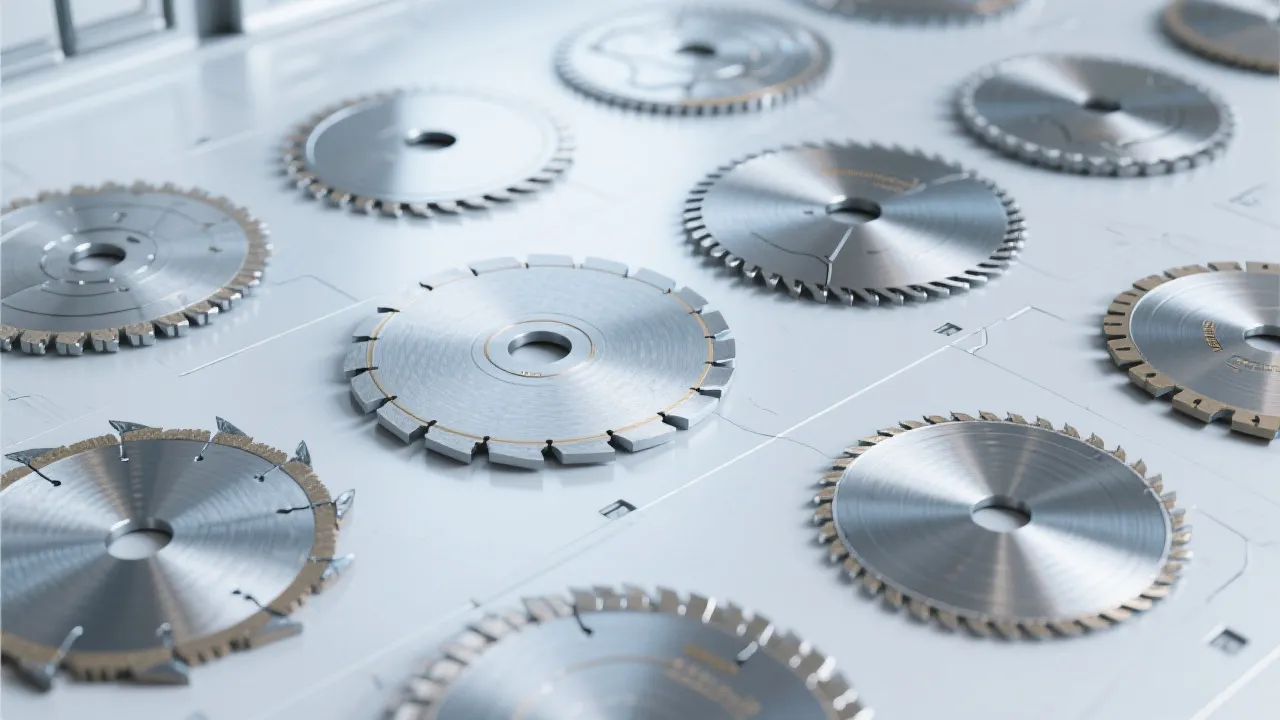
Choosing a blade tailored to your tile's thickness and hardness is non-negotiable. UHD recommends these principles:
| Tile Thickness (mm) | Recommended Blade Type | Optimal Rotation Speed (RPM) |
|---|---|---|
| < 8 | Electroplated Diamond Blade (High Concentration) | 8000–10,000 |
| 8 – 15 | Sintered Diamond Blade (Metal Bond) | 6000–8000 |
| > 15 | Brazed Diamond Blade with Graded Concentration | 4000–6000 |
To ensure precision and avoid costly errors, UHD sets forth a three-step protocol:
Adherence to this process drastically reduces defects and maximizes blade longevity, while fostering confidence in workmanship.
Expert Insight: “Integrating controlled feed speeds with advanced cooling not only extends blade life by up to 30%, but also cuts material waste by nearly 20%. Our field data highlights that teams applying these protocols achieve unmatched consistency.” – UHD Technical Lead
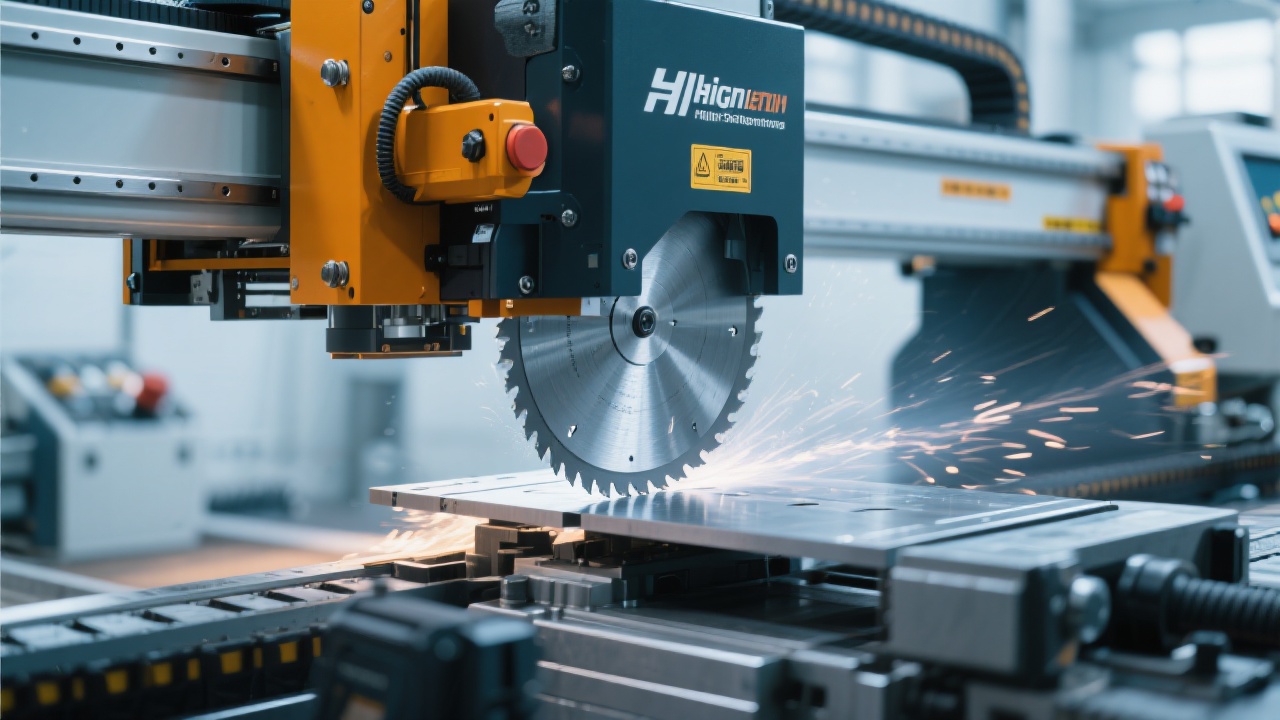
Heat buildup during tile cutting accelerates thermal stress and causes microfractures invisible until installation, risking post-project failures. UHD advocates incorporating effective cooling designs such as water-cooled systems or air jets. Enhanced heat dissipation:
These benefits translate into less rework, faster throughput, and greater client satisfaction.
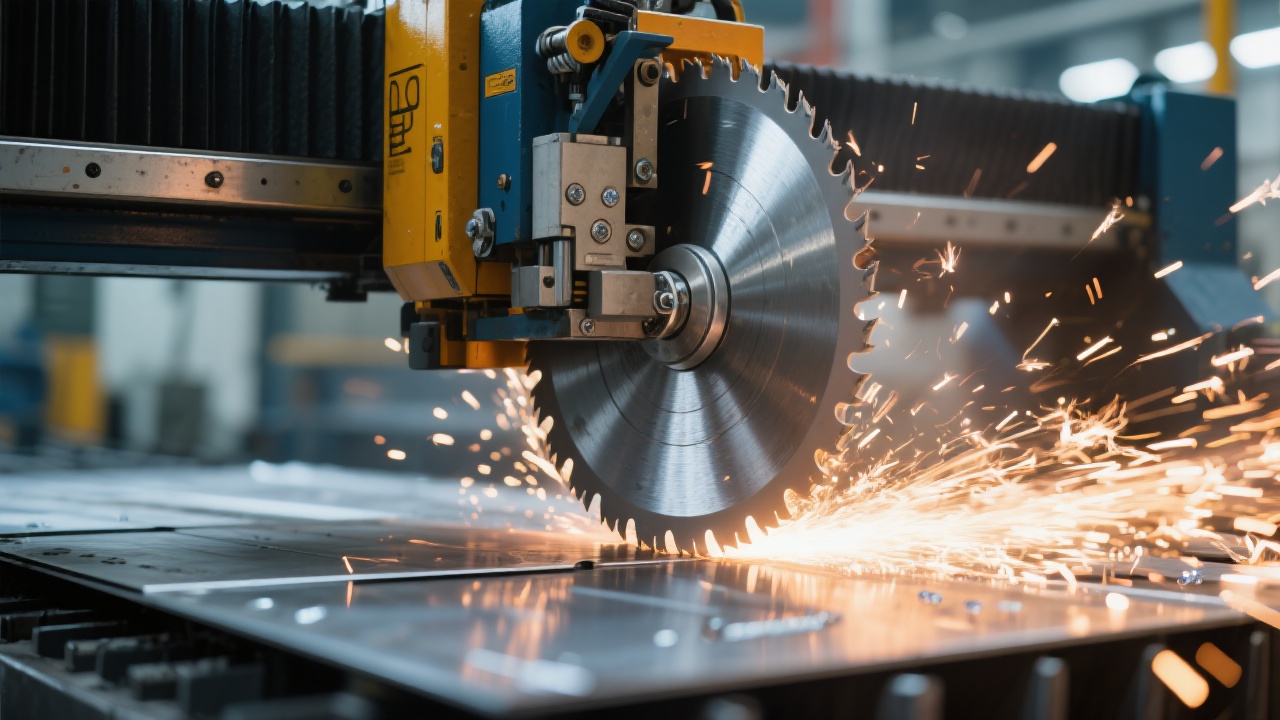
Consider two installation teams given identical ceramic tiles and cutting tasks. Team A utilized no cooling, excessive force, and an inappropriate blade. Team B followed UHD's blade selection, 3-step method, and cooling protocols. The outcomes were conclusive:
This demonstrates how simple but disciplined adherence to best practices converts into substantial productivity and cost gains.