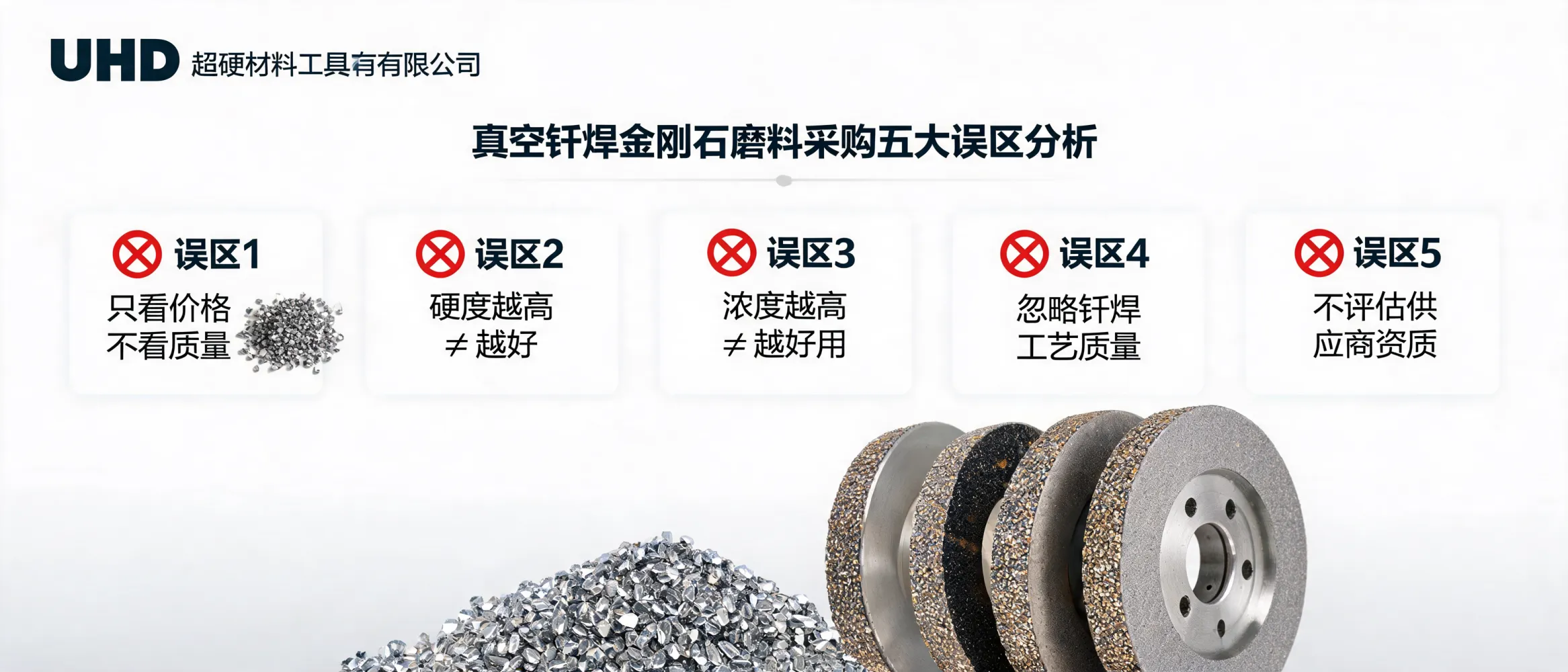
Selecting the right vacuum brazed diamond abrasives is critical for industrial applications that demand precision, durability, and efficiency. However, many procurement professionals face challenges that stem from common misconceptions and improper evaluation methods. UHD Ultrahard Tools, leveraging its extensive expertise in superhard material tooling, highlights five frequent mistakes buyers make and offers practical guidance to optimize supplier assessment and ensure product quality.
While cost is an important factor, choosing vacuum brazed diamond abrasives based only on the lowest price often leads to poor performance, increased tool wear, and ultimately higher operational expenses. It's essential to balance cost considerations with technical specifications and supplier reliability for sustainable outcomes.
Hardness alone does not determine abrasive suitability. Factors such as diamond grain distribution, brazing quality, and matrix composition substantially influence tool life and cutting efficiency. Effective procurement involves scrutinizing these technical characteristics in conjunction with hardness.
Comprehensive supplier assessment is vital. This includes evaluating manufacturing capabilities, quality management systems, certifications, and after-sales support. UHD emphasizes partnering with suppliers who deliver consistent quality and adhere to international standards to minimize procurement risks.
Before large-scale purchasing, conducting performance trials under actual working conditions is indispensable. Testing validates product specifications, ensures compatibility, and prevents costly errors in application.
Ensuring that vacuum brazed diamond abrasives comply with recognized quality standards and industry certifications is crucial to maintain performance consistency and safety.
At UHD Ultrahard Tools Co., Ltd, our experience in vacuum brazed diamond abrasives manufacturing and our commitment to quality help industrial buyers avoid procurement pitfalls. By understanding and navigating these common mistakes, customers can ensure optimal tool performance, reduce downtime, and achieve greater operational efficiency.