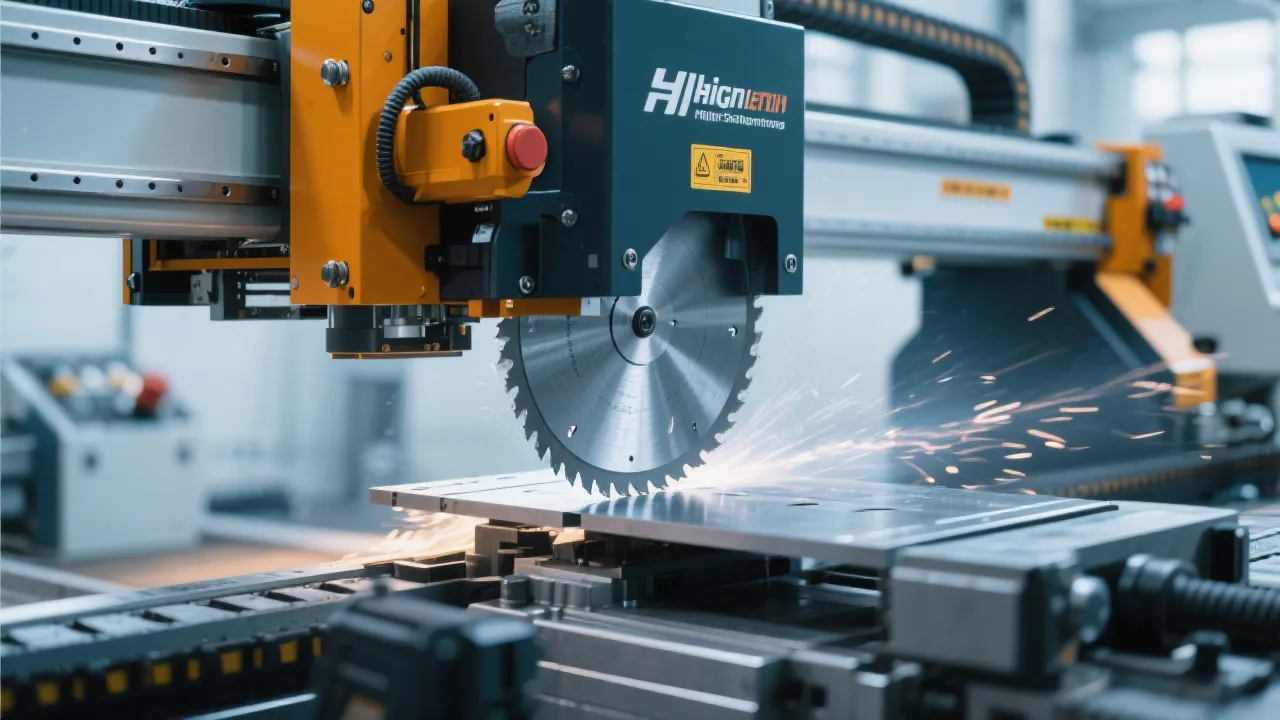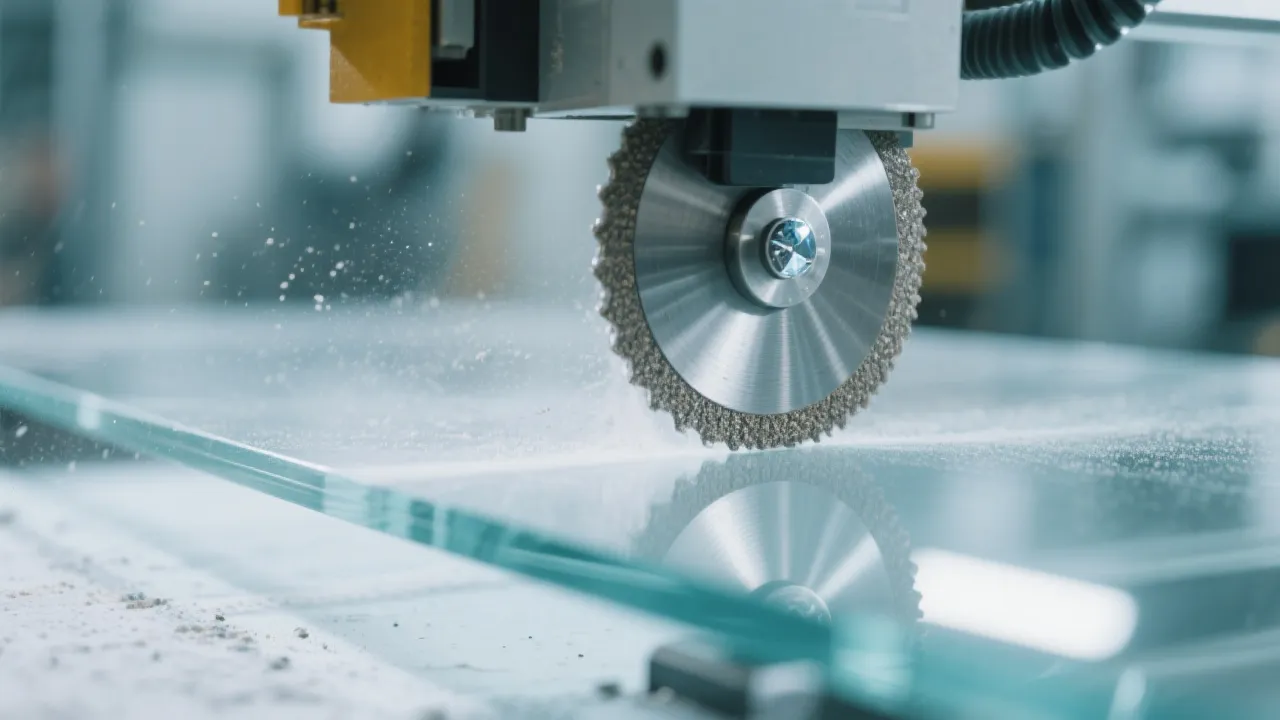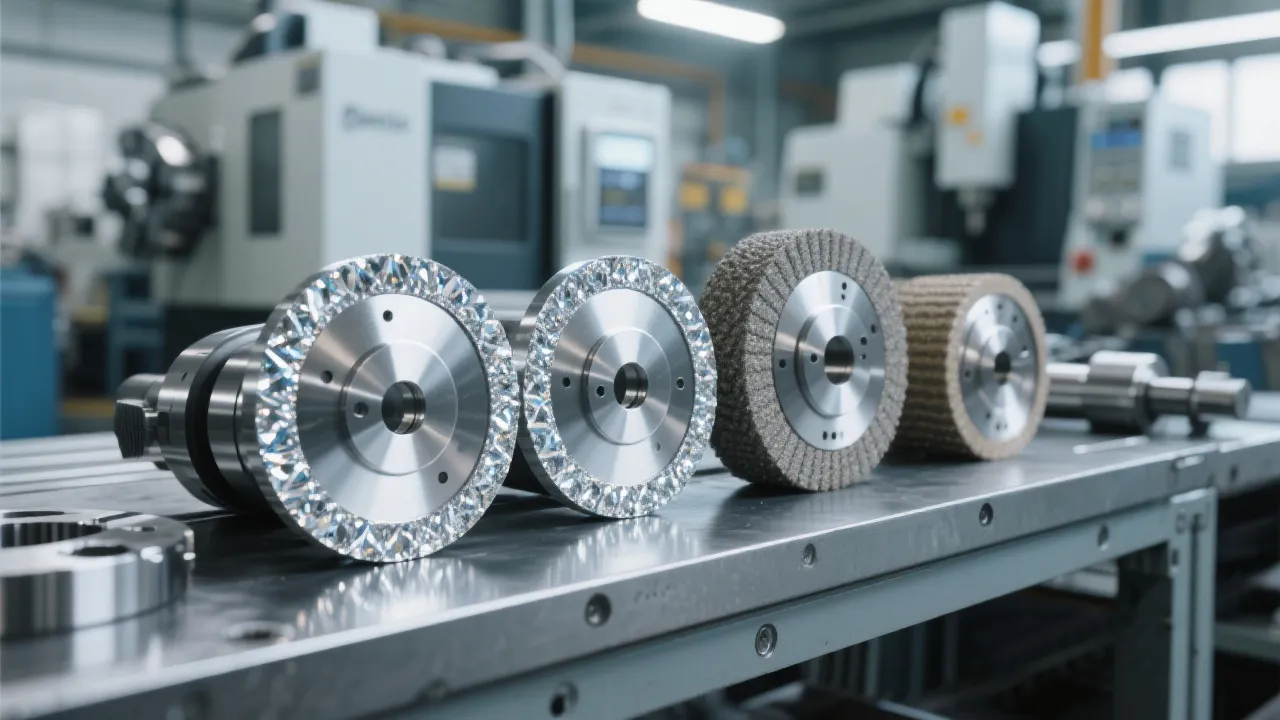
In modern manufacturing, improving the efficiency of complex workpiece cutting is paramount for sustaining competitiveness and cost-effectiveness. UHD's latest insights dive deep into the core of complex workpiece cutting, elucidating how scientific optimization of cutting parameters can revolutionize cutting efficiency. These parameters — including cutting speed, feed rate, and cutting depth — when meticulously calibrated alongside innovative saw blade design and advanced cooling lubrication technologies, unlock unprecedented performance and durability.
Cutting speed, feed rate, and cutting depth form the triad that defines cutting quality and productivity. Empirical studies show that increasing cutting speed by 15–25% while maintaining an optimal feed rate enhances throughput without compromising blade integrity. For instance, adjusting feed rates based on blade material hardness and workpiece complexity reduces thermal load, which in turn limits tool wear. Similarly, controlling cutting depth within a 0.3–0.7 mm range ensures effective chip removal and consistent cutting forces, directly impacting the longevity of the saw blade.
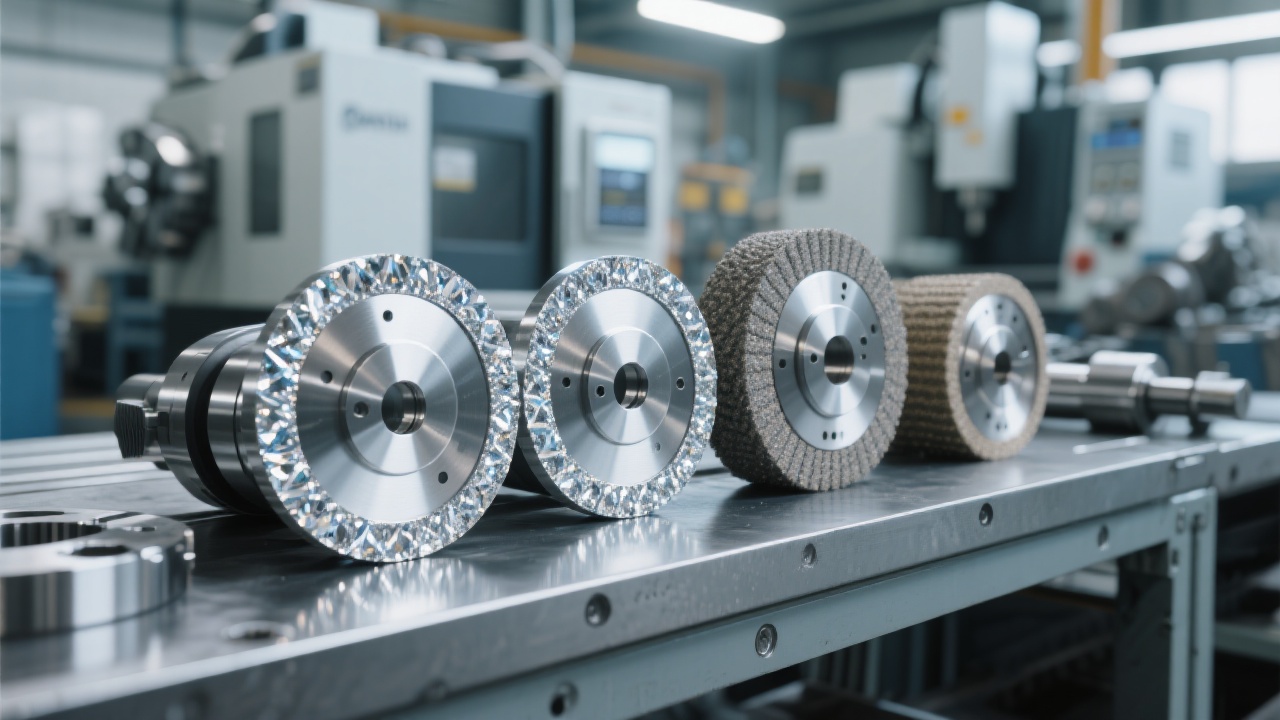
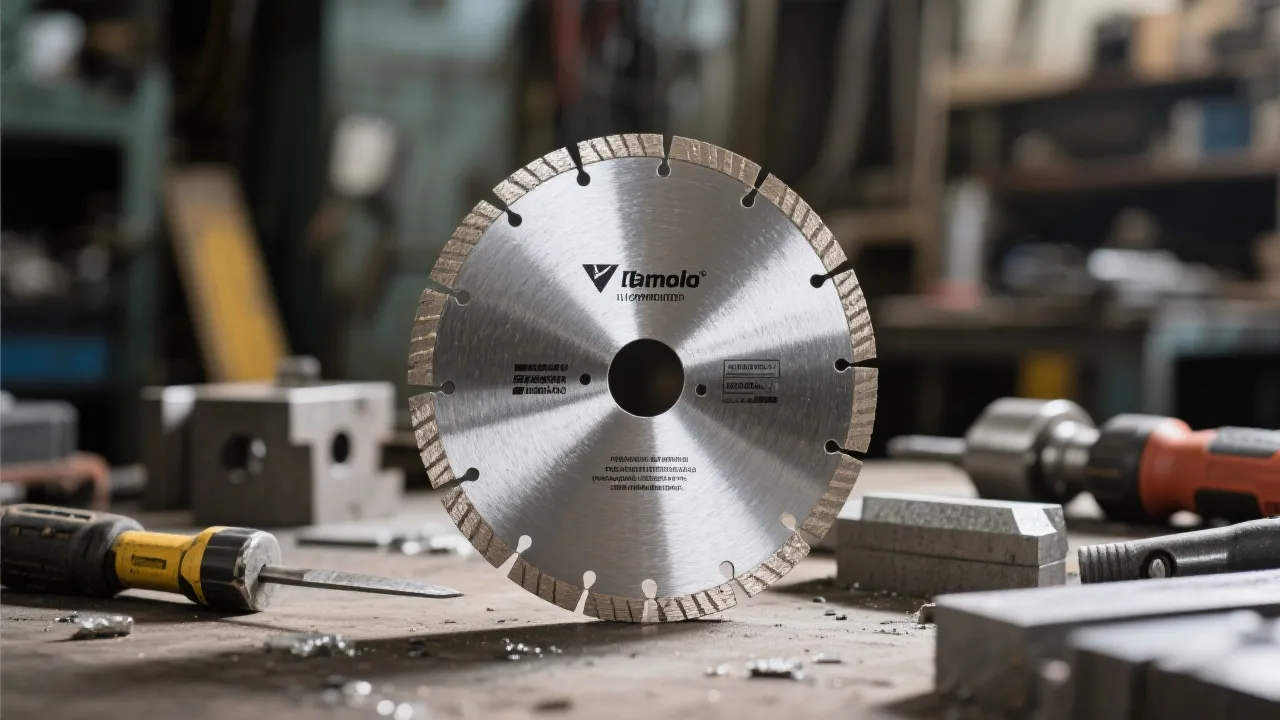
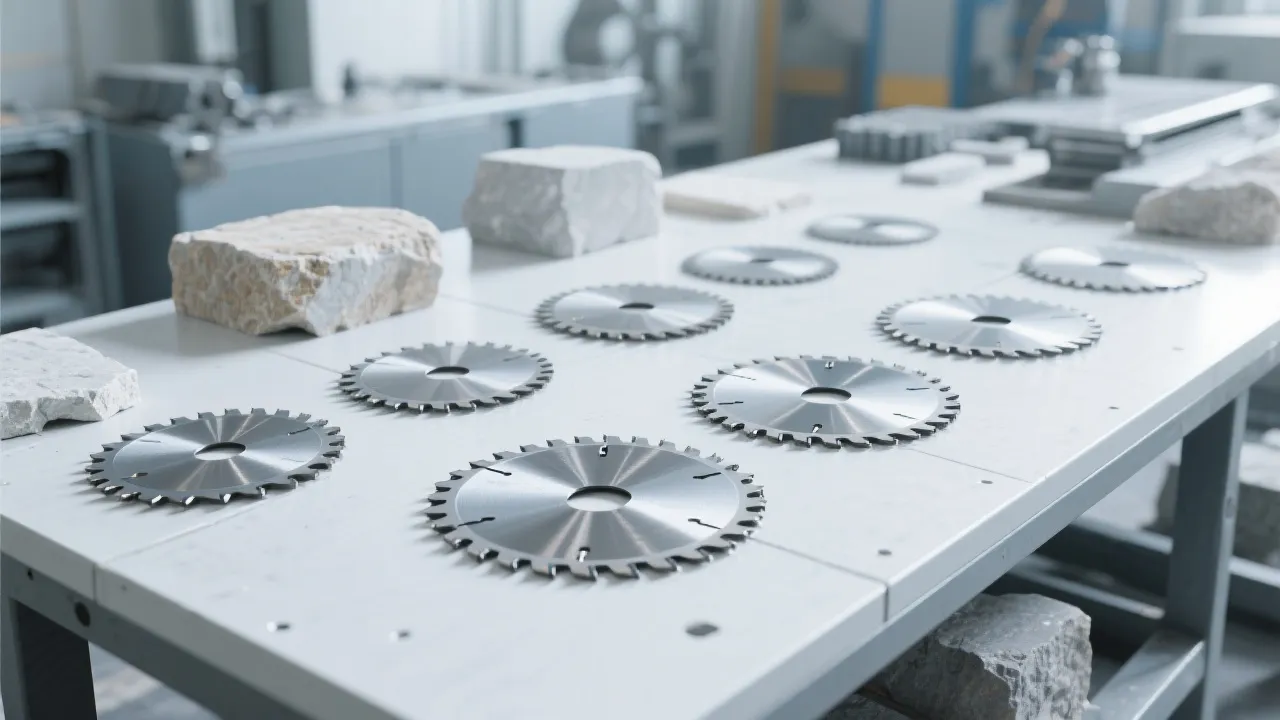
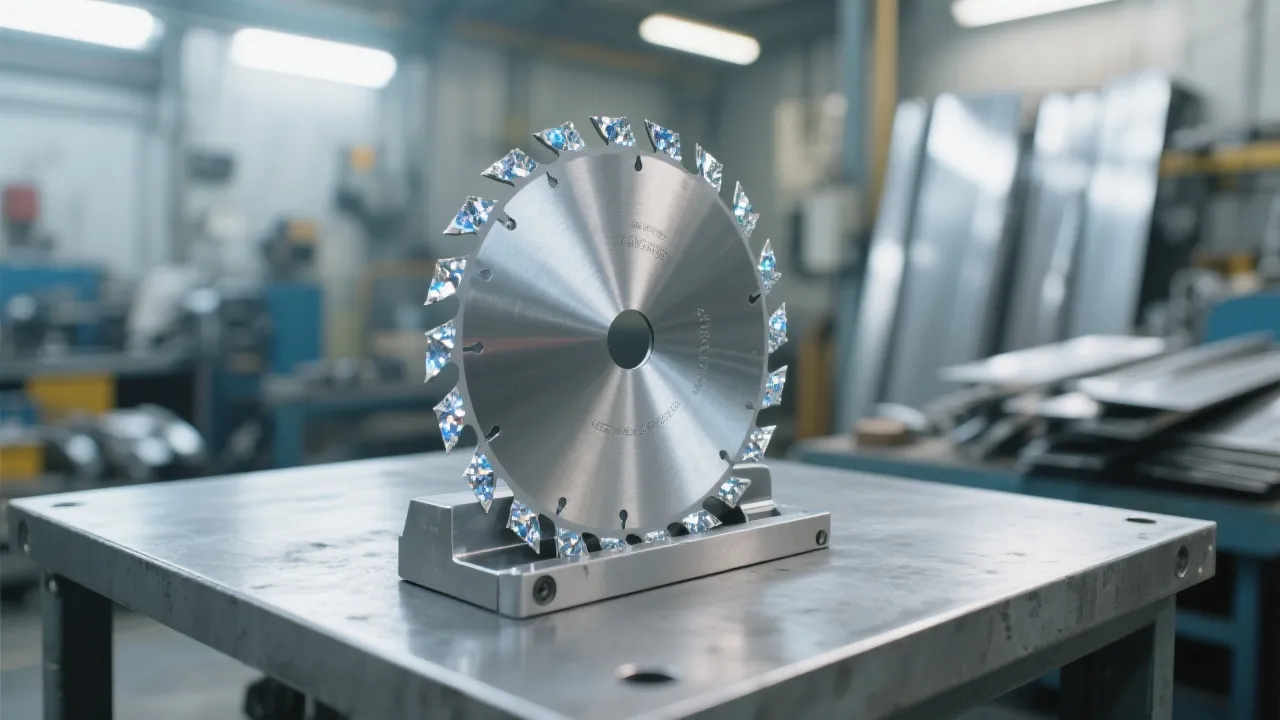
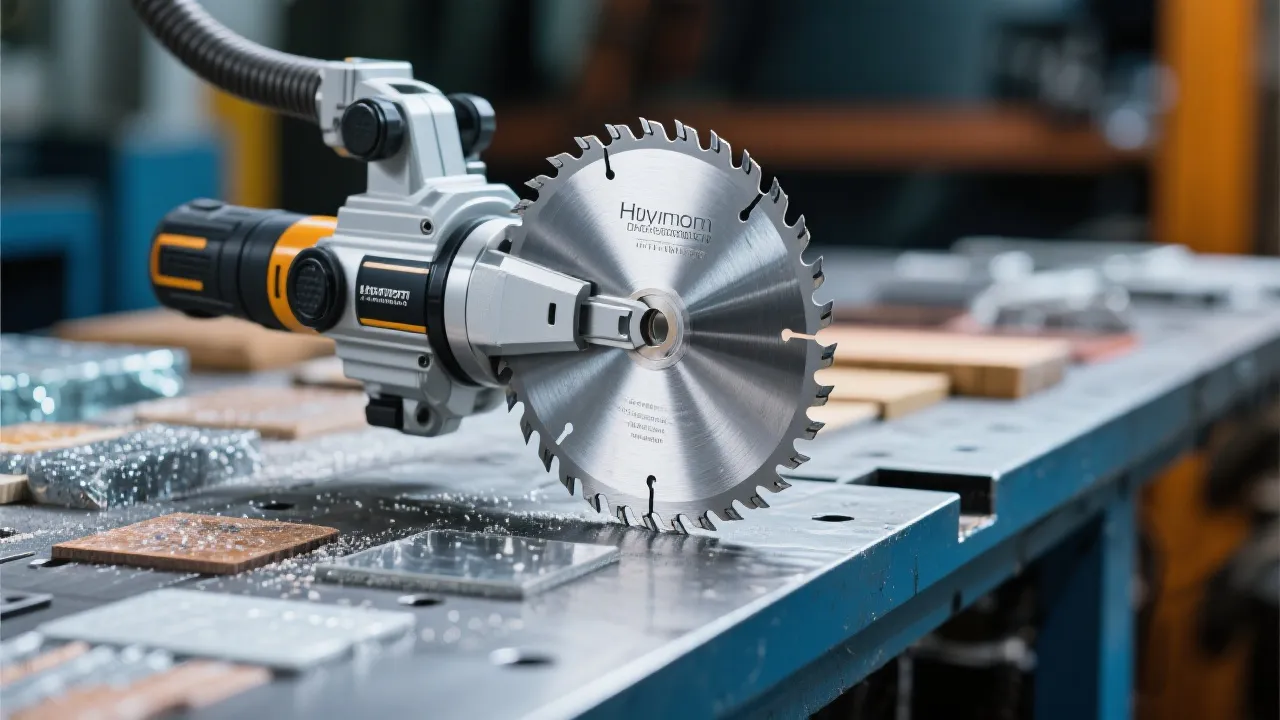
The efficiency of saw blade cutting depends heavily on tailored tooth shape design and material selection. UHD’s advances in optimizing saw blade design include the use of variable tooth pitch combined with high-grade carbide materials, which have demonstrated up to 30% improvement in cutting speed and a 20% increase in blade life during complex material processing. The tooth geometry affects chip evacuation and cutting stability; thus, a sharper hook angle coupled with reinforced cutting edges prevents premature wear when tackling intricate workpieces.
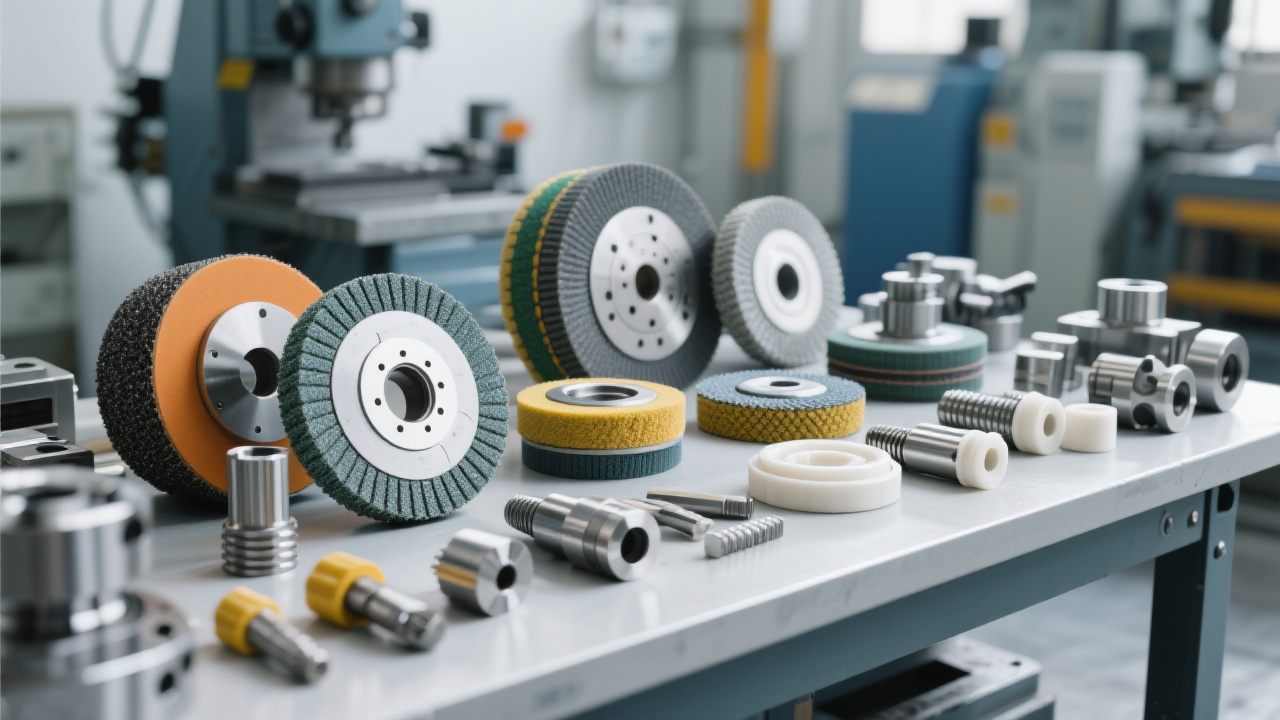
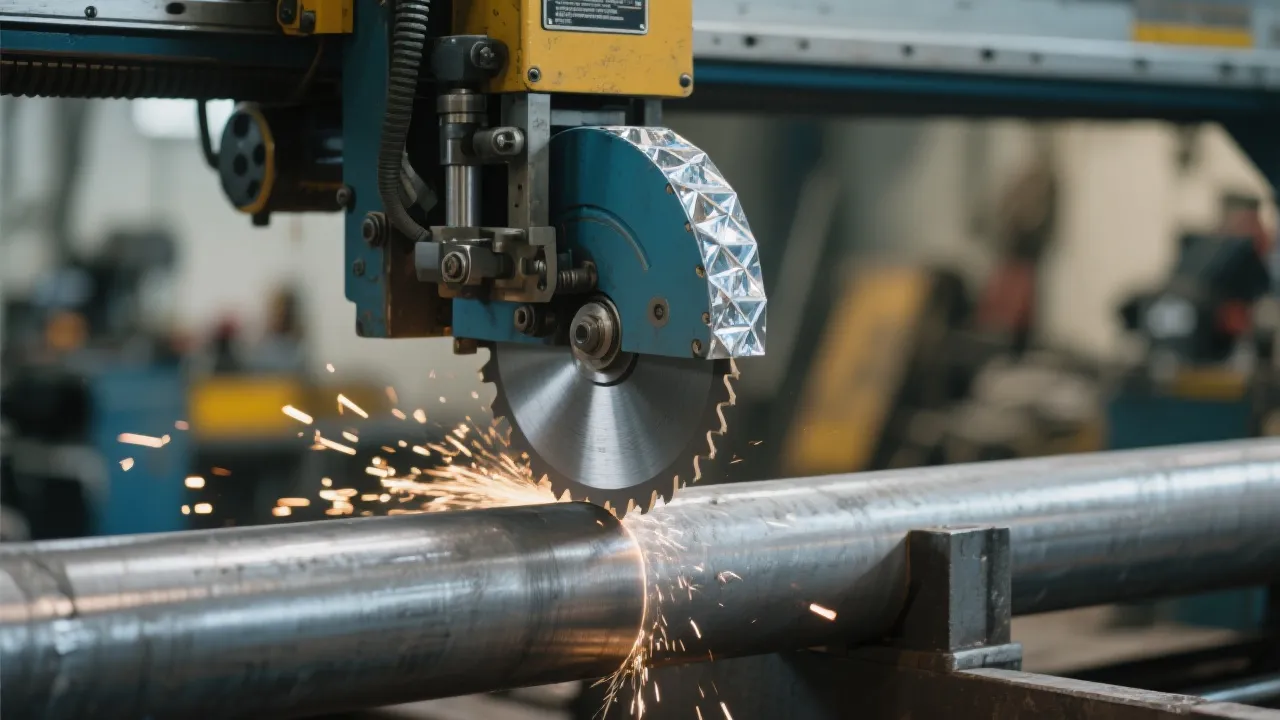
Implementing state-of-the-art cooling lubrication technologies addresses thermal and friction challenges inherent in complex cutting tasks. These techniques ensure temperature control during high-speed operations, reducing heat-induced distortions and promoting smoother chip flow. Water-based emulsions and synthetic lubricants tailored for specific materials have shown to increase tool life by up to 25%, while also improving surface finish quality. Integration of adaptive cooling systems that regulate fluid delivery further enhances cutting consistency and environmental sustainability.
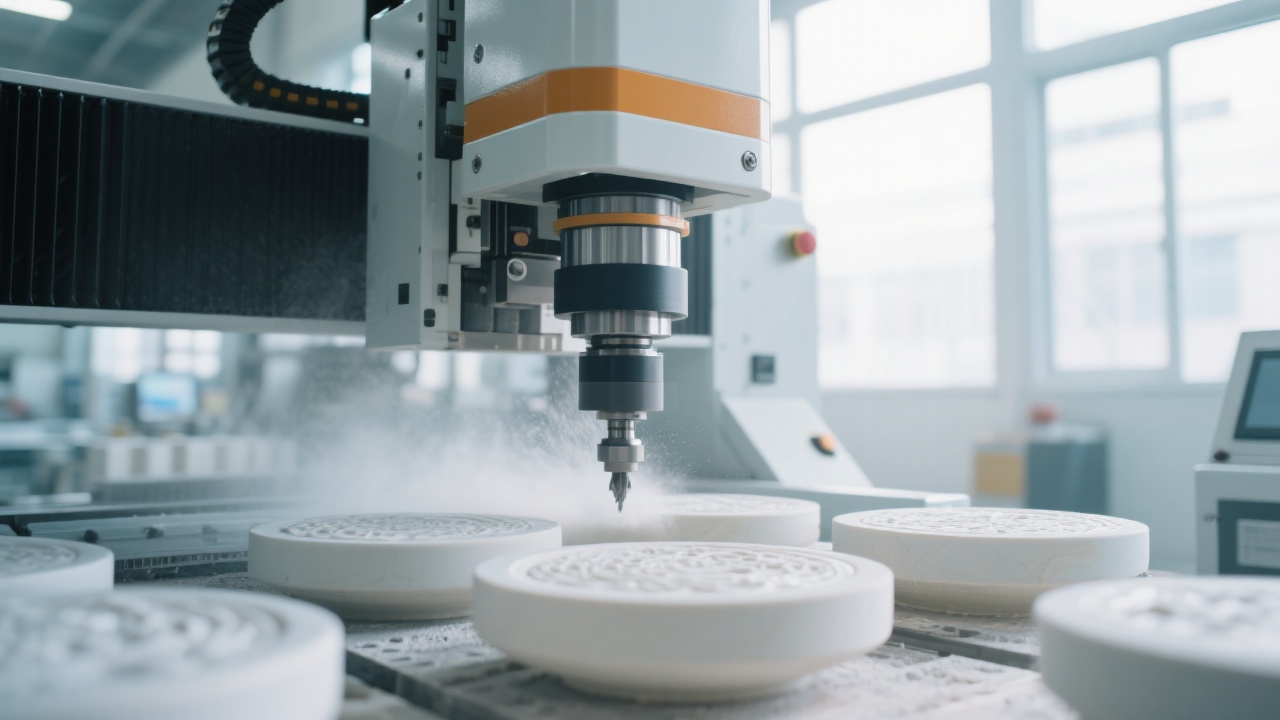
Multiple manufacturing enterprises adopting UHD’s holistic cutting solutions report average production cycle reductions of 18% and cost savings climbing to 22%. For example, a complex aerospace component manufacturer leveraging saw blade material selection alongside parameter optimization successfully sustained higher throughput rates while maintaining stringent dimensional tolerances. The synergy of scientific cutting parameter adjustment, blade innovation, and cooling regimes drove these measurable improvements, illustrating the value proposition in practical industrial environments.