In industrial cutting applications, choosing the right blade directly impacts operational efficiency, maintenance frequency, and overall expenses. The comparison between the ultra-hard Diamond Blade 400H and conventional abrasive blades reveals a transformative difference in durability and performance. This article delves into the technical distinctions, practical usage insights, and economic implications of these two blade types, helping industry professionals make informed purchasing decisions.
Abrasive blades have long been the standard for metal and concrete cutting, valued for their low upfront cost and ease of replacement. Typically composed of composite materials embedded with abrasive granules, these blades wear down quickly under high-friction environments. Industrial data shows abrasive blades usually sustain 40-60 hours of cutting before substantial performance degradation occurs, often requiring replacement every 1-2 weeks in continuous operations.
Despite widespread use, abrasive blades exhibit several limitations: uneven cutting surfaces, vibration-induced operator fatigue, suboptimal heat dissipation, and frequent downtime for swapping worn blades, cumulatively increasing indirect costs far beyond the initial purchase price.
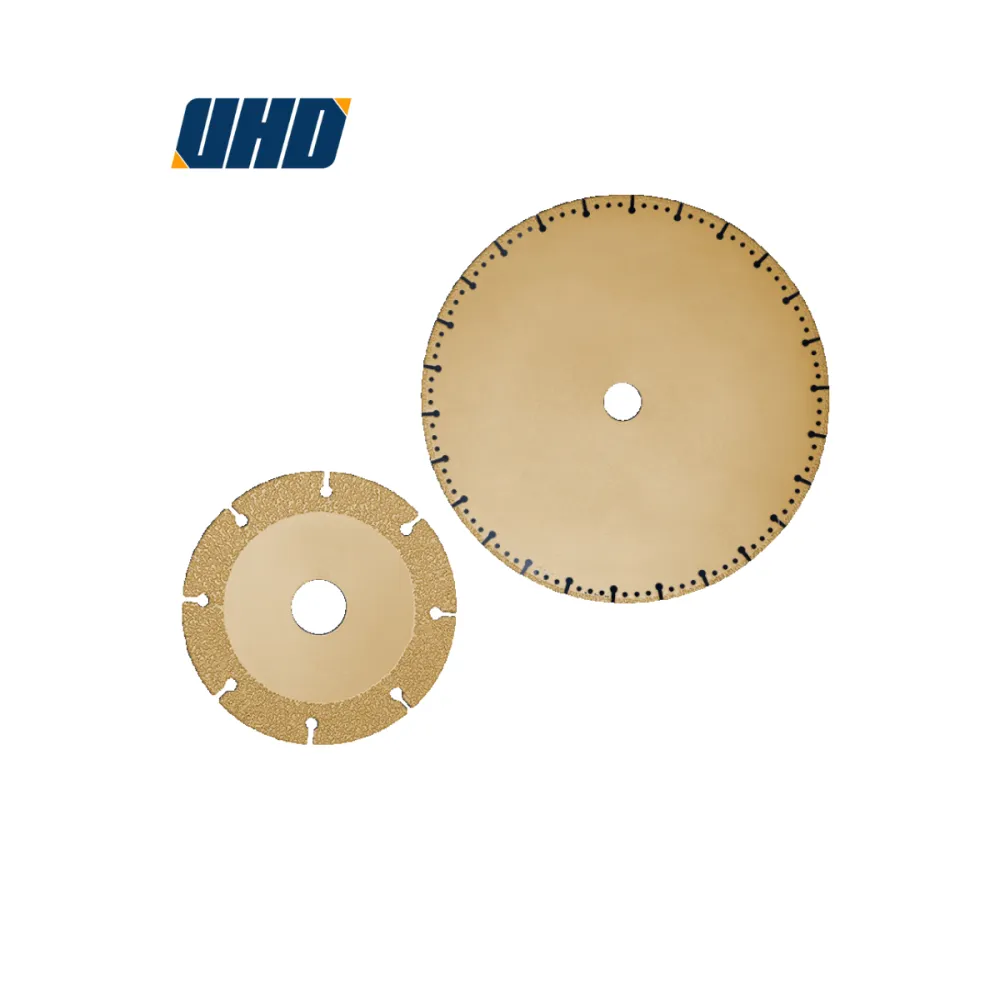
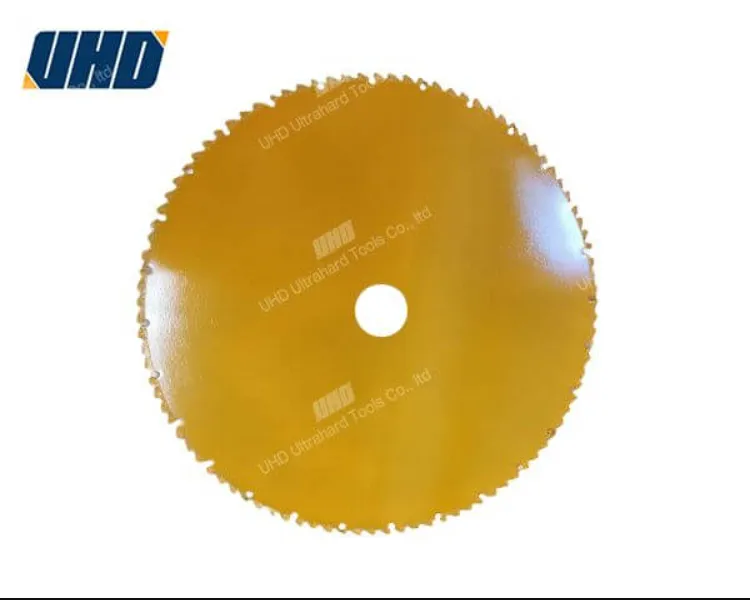
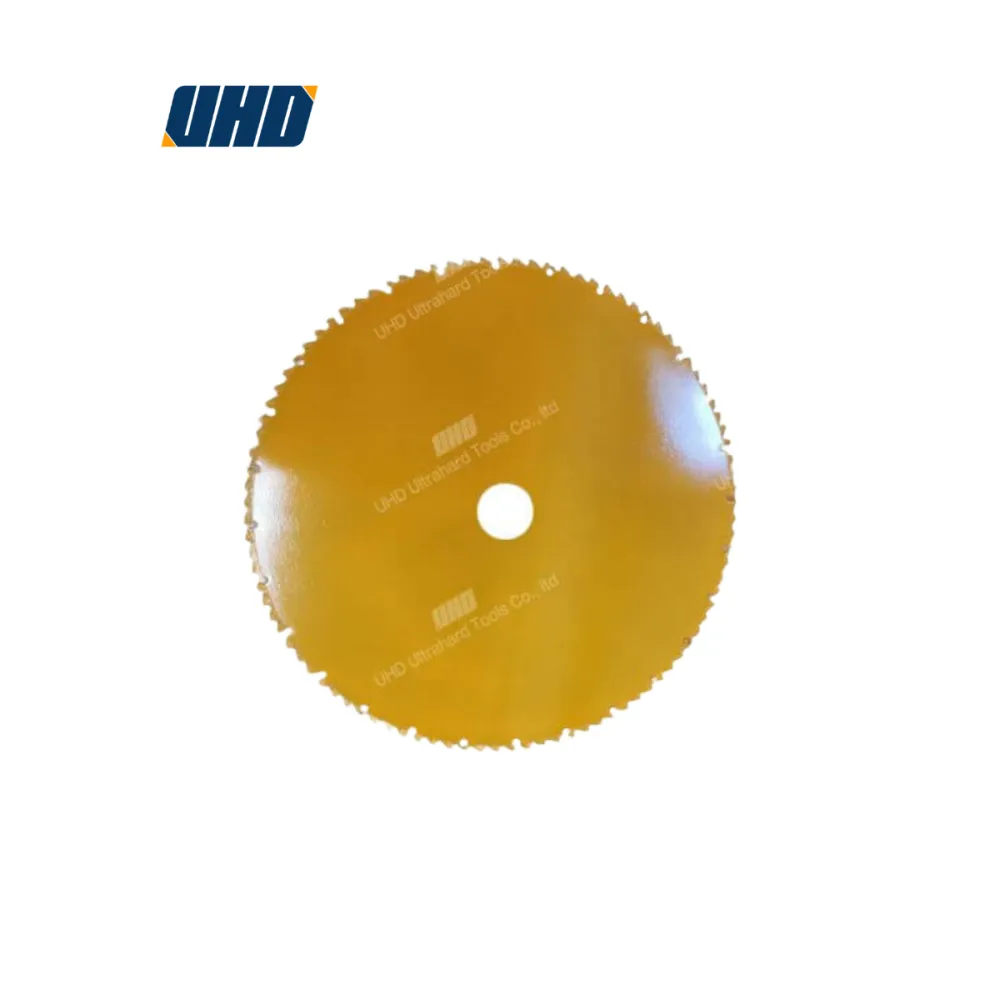
The Diamond Blade 400H redefines cutting tools through advanced engineering and premium raw materials. It employs a high-strength brazing process that securely binds synthetic diamond crystals, renowned for their extreme hardness (Mohs hardness of 10), onto a reinforced steel core. This method enhances segment stability and longevity.
Additionally, the 400H incorporates a patented multi-vent cooling system etched into the blade body, which significantly improves heat dissipation during cutting. This reduces thermal stress, maintaining blade sharpness and minimizing distortion over extended use. The cumulative effect of these innovations results in up to 3-5 times longer service life compared to abrasive blades.
| Performance Metric | Diamond Blade 400H | Abrasive Blade |
|---|---|---|
| Cutting Efficiency (m²/hr) | 25 - 30 | 10 - 15 |
| Operational Lifespan (hours) | 200 - 300 | 40 - 60 |
| Heat Dissipation Efficiency | High (Patented cooling vents) | Low (Standard flat body) |
| Vibration & Noise | Minimal (Stable brazing) | High (Material degradation) |
A construction company in Texas recently transitioned from abrasive blades to the Diamond Blade 400H for concrete cutting projects spanning over 6 months. Their field data reveals a 70% reduction in blade replacements and a significant decrease in operational downtime. Operators reported improved cutting consistency and a noticeable reduction in handle vibrations, enhancing comfort and safety during prolonged use.
One purchaser shared: "Switching to the 400H drastically cut our maintenance costs. Though the initial investment was higher, the overall savings on blade replacements and increased work output have made it a no-brainer." Such testimonials underscore the practical benefits and ROI of adopting advanced diamond blade technology.
While abrasive blades might appear cheaper upfront, their limited durability and frequent replacements inflate labor and material overheads. The Diamond Blade 400H’s superior wear resistance and stable performance deliver lower total cost of ownership (TCO) over time.
Industry analysis indicates that enterprises using the 400H experience an average 30-40% reduction in cutting-related operational expenses annually. Combined with minimized vibration and improved safety, this blade represents a strategic investment for industrial applications requiring consistent precision and reliability.
Ready to upgrade your cutting tools for higher productivity and lasting durability? Discover the Ultra-Hard Diamond Blade 400H today and experience the cutting-edge advantage.