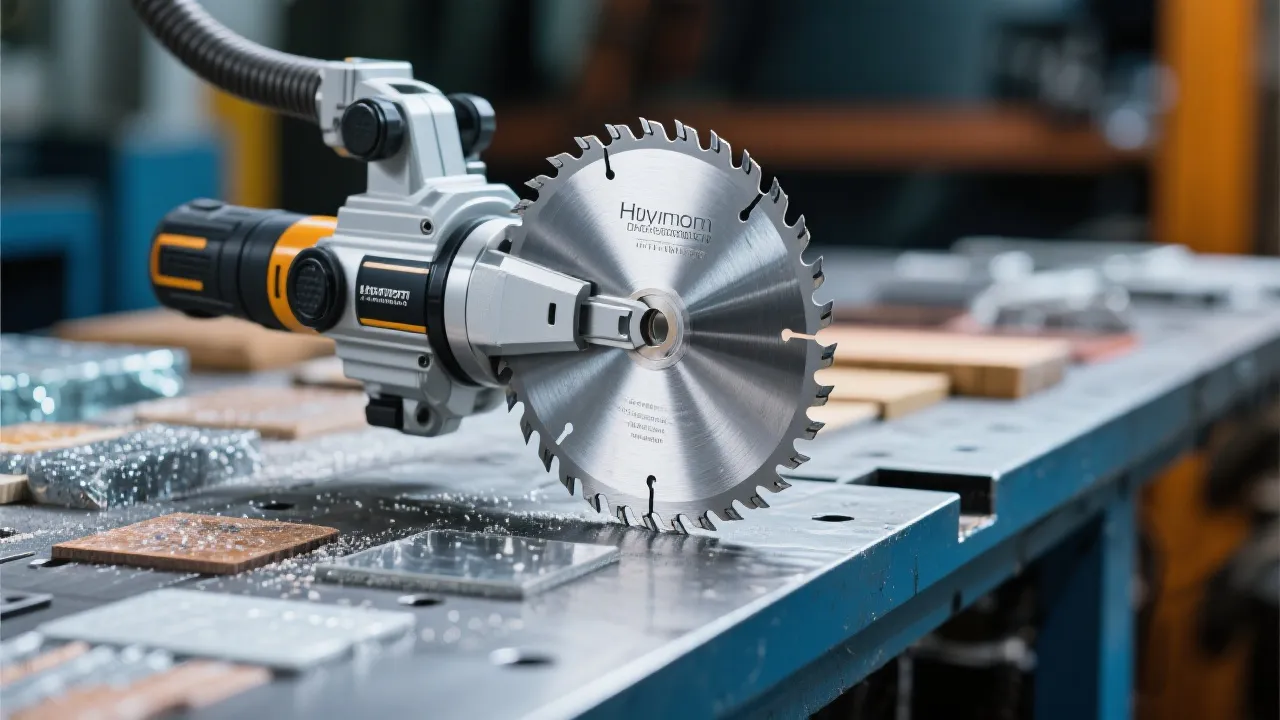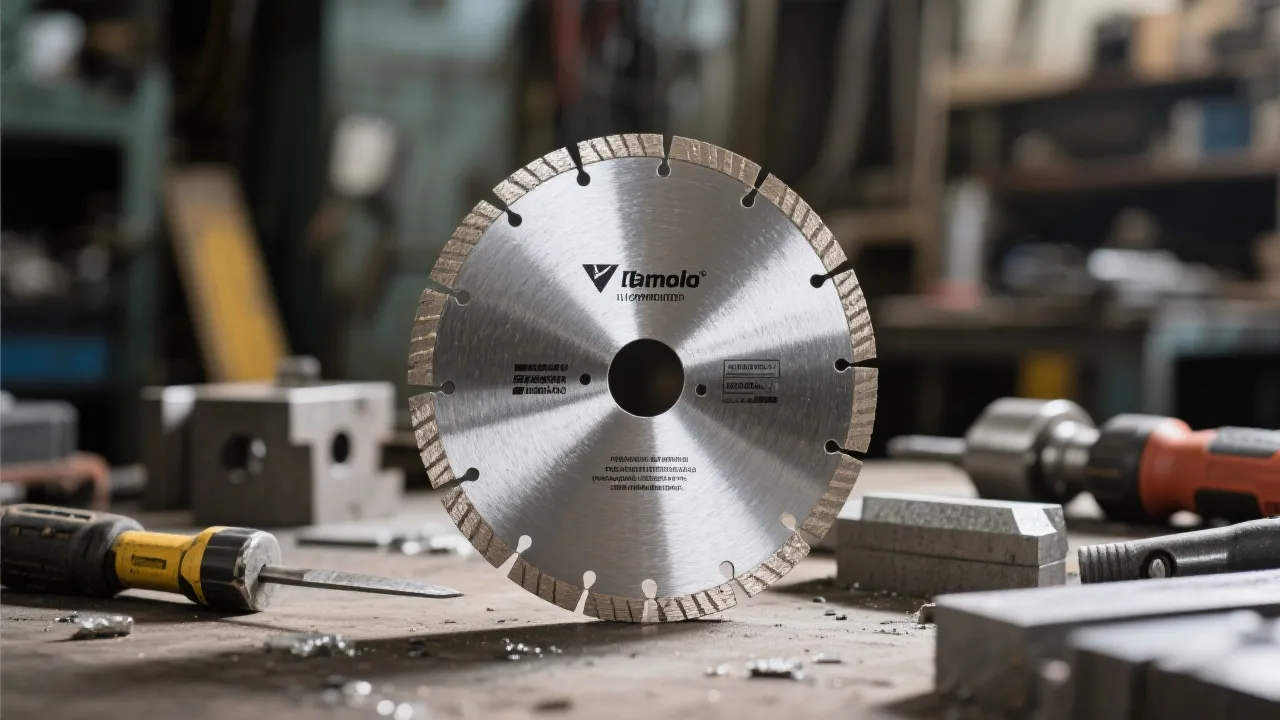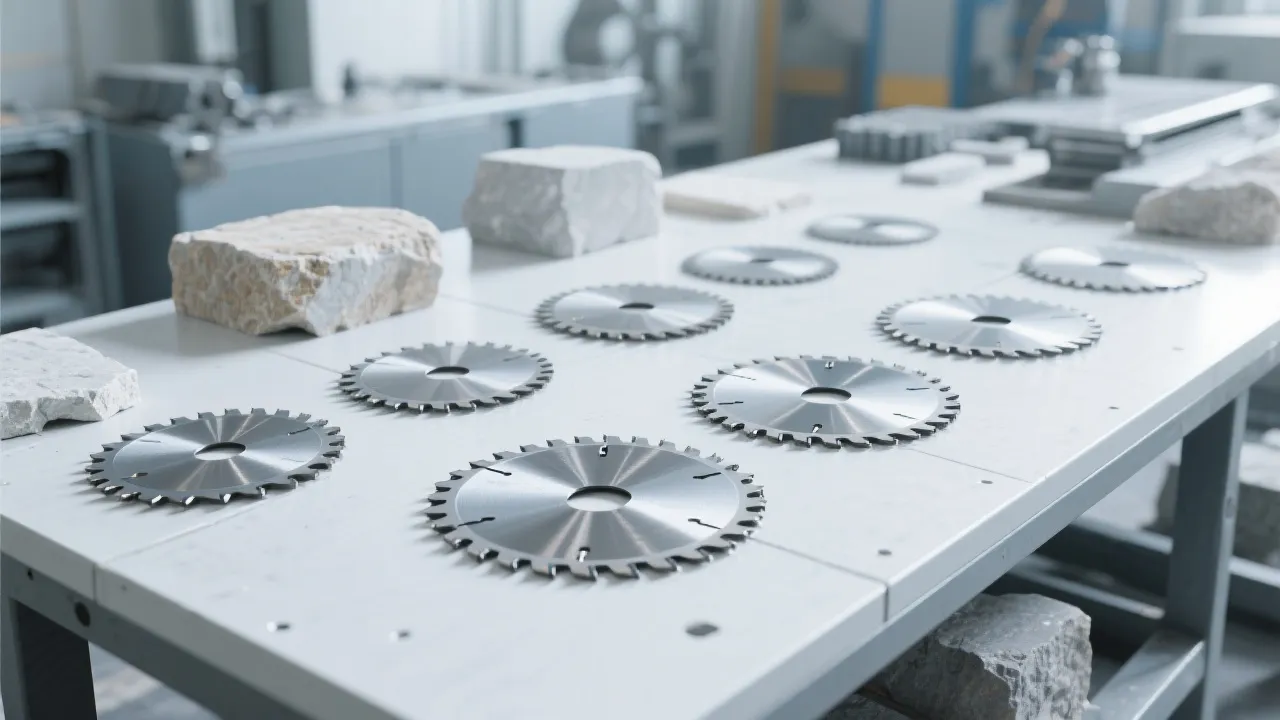
Diamond cutting blades play a pivotal role in industrial cutting operations, offering precision and durability for a wide range of materials. Selecting the right blade is essential to maximize cutting efficiency, extend tool life, and minimize operational costs. This guide delves into the critical factors shaping diamond blade selection, focusing on metals and stone materials—two core industrial sectors demanding specialized cutting solutions.
Different materials present unique challenges and requirements for cutting. For industrial metals, types such as gray cast iron, ductile (nodular) cast iron, and stainless steel each vary in hardness, abrasiveness, and thermal conductivity. Similarly, natural and engineered stones—from granite and marble to quartz—also differ widely in composition and toughness. Matching these materials with a suitablediamond cutting blade significantly influences cut quality and blade lifespan.
Several technical parameters define a diamond cutting blade’s performance:
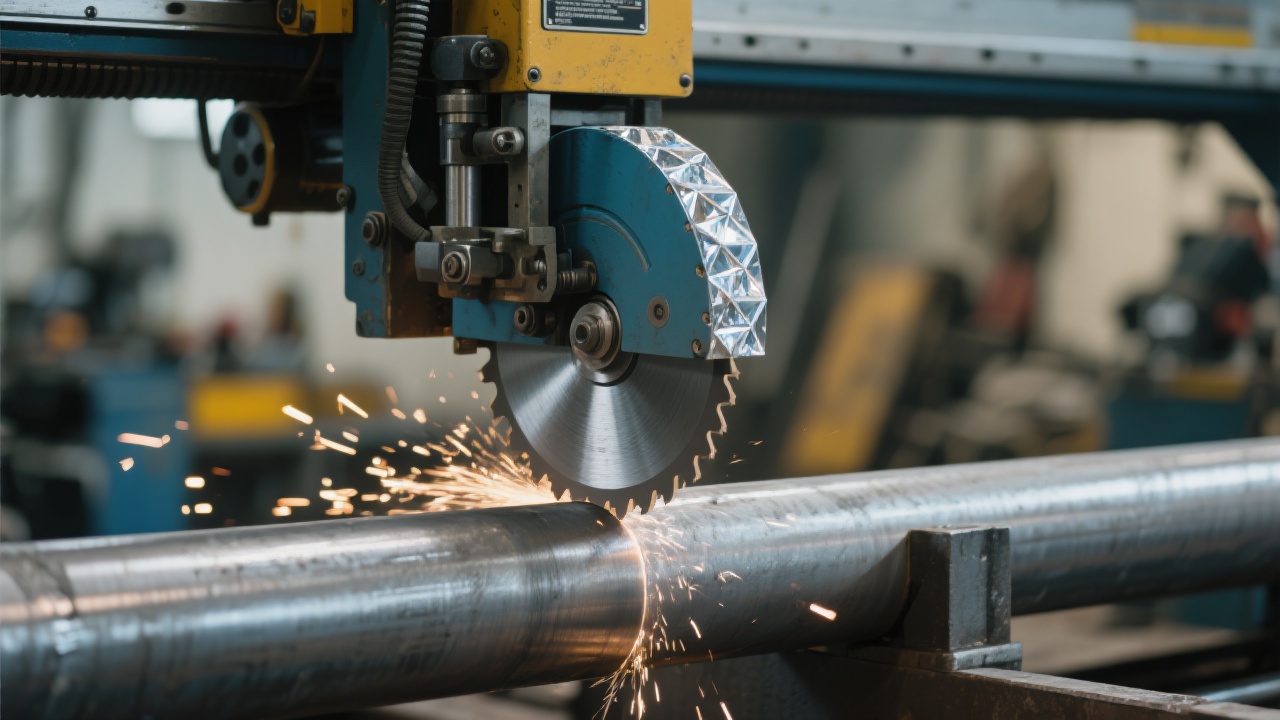
In metal processing, cutting tough materials like stainless steel demands blades with a high diamond concentration and fine-grit edges to reduce chipping and heat build-up. For cast irons, segmented rim blades with medium grit optimize rapidly removing metal chips without overheating.
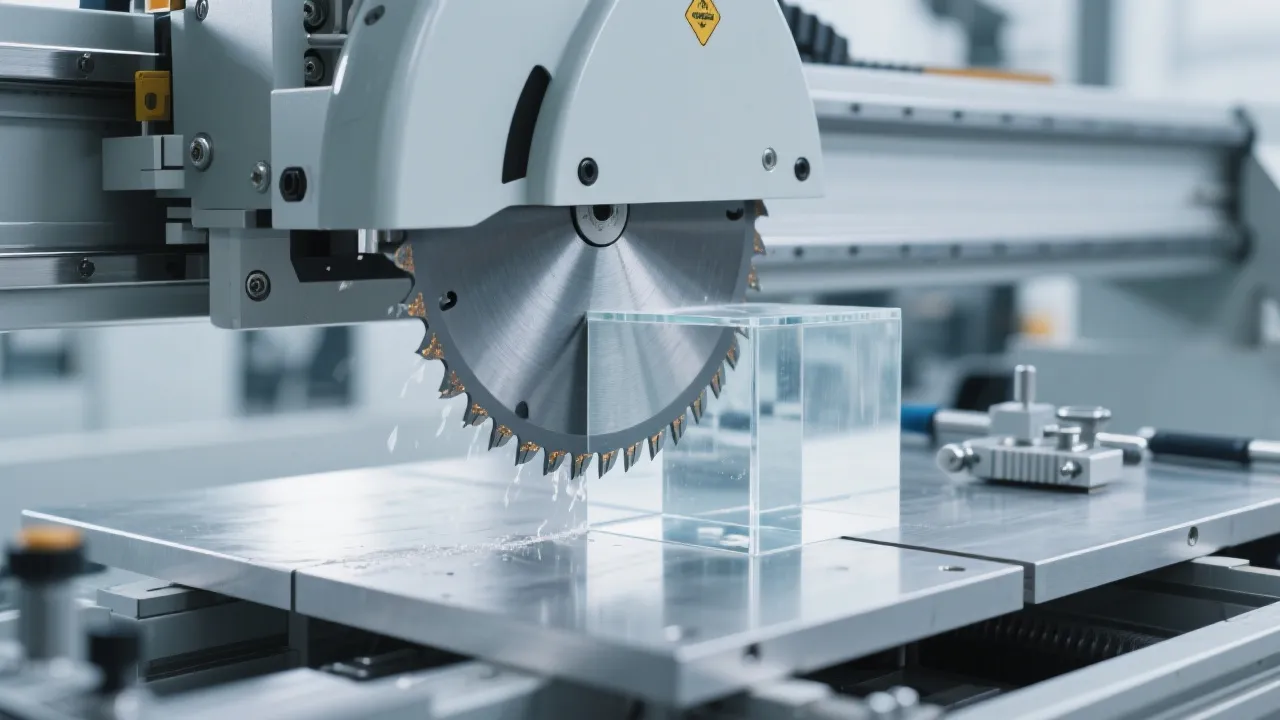
Stone cutting, especially for granite and engineered quartz, benefits from continuous rim blades that provide clean, precise cuts minimizing surface fracturing. Marble, being softer, can be cut effectively with turbo rim blades offering faster cutting speed with acceptable finish quality.
Regular maintenance extends the lifespan of diamond cutting blades, sustaining performance and safety. Best practices include:
Implementing these practices can reduce downtime by up to 30% based on industry case studies and minimize blade replacement frequency."
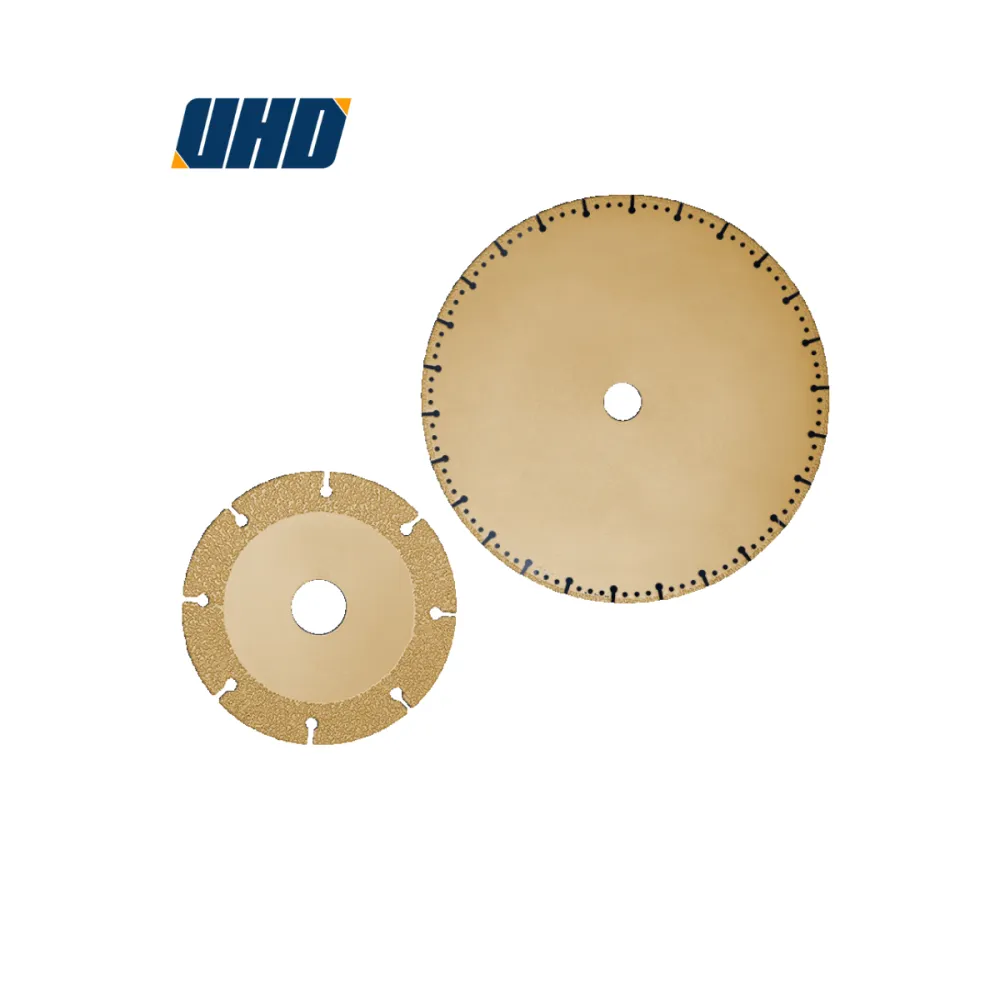
Henan Youde Superhard Tool collaborated with a large-scale metal fabrication plant to optimize cutting blade choice. By switching to UHD's high-performance segmented diamond blades for ductile cast iron, the plant realized a 25% increase in cutting speed and a 40% extension in blade life, significantly reducing operational expenses.
Similarly, stone processing workshops adopting UHD’s continuous rim blades for granite reported improved surface finish quality with fewer rejects, raising productivity by over 15% within three months.
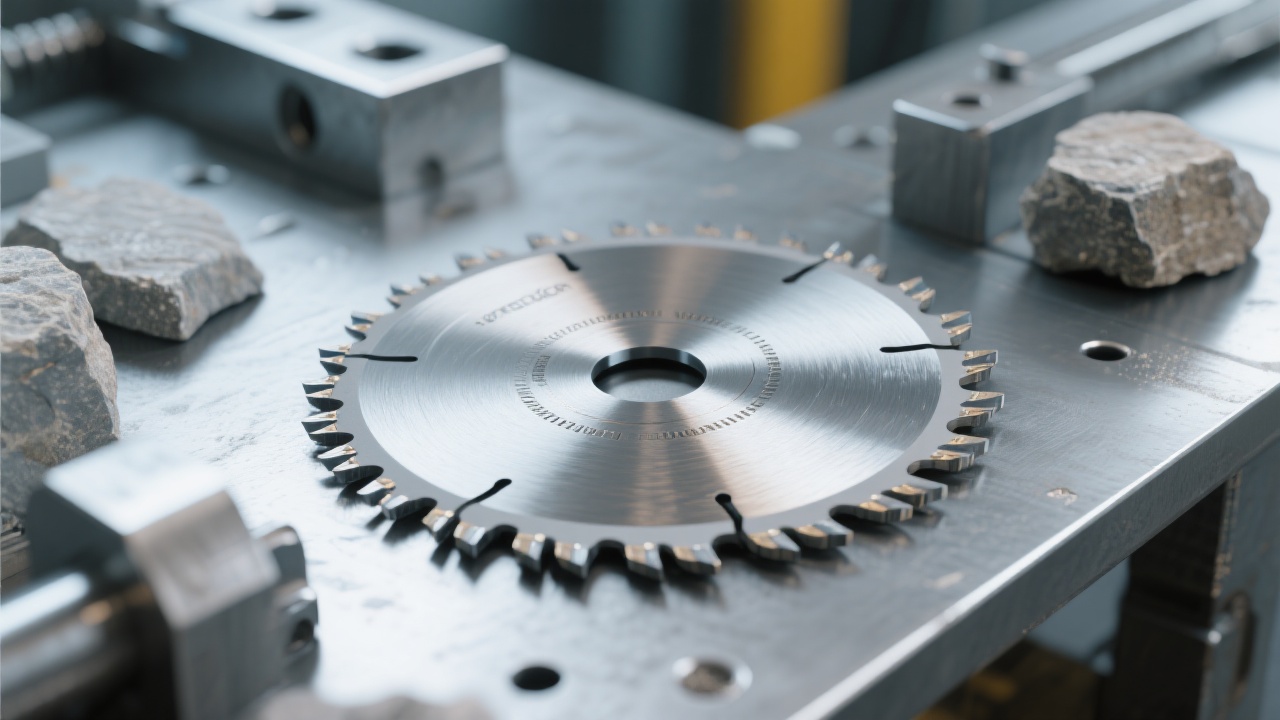
Blades designed for stainless steel feature a fine grit size (typically 80-100 mesh) and enhanced diamond concentration to reduce heat and prevent chipping. Verify the blade specifications and confirm compatibility with stainless steel applications.
Routine cleaning to remove debris, avoiding overheating by proper feed rates, and inspecting blades regularly for cracks or excessive wear are critical to avoid unexpected damage.
Generally, it's not recommended because blades optimized for metal cutting differ significantly in bond hardness and grit size from those designed for stone. Using the correct blade for each material ensures safety and performance.