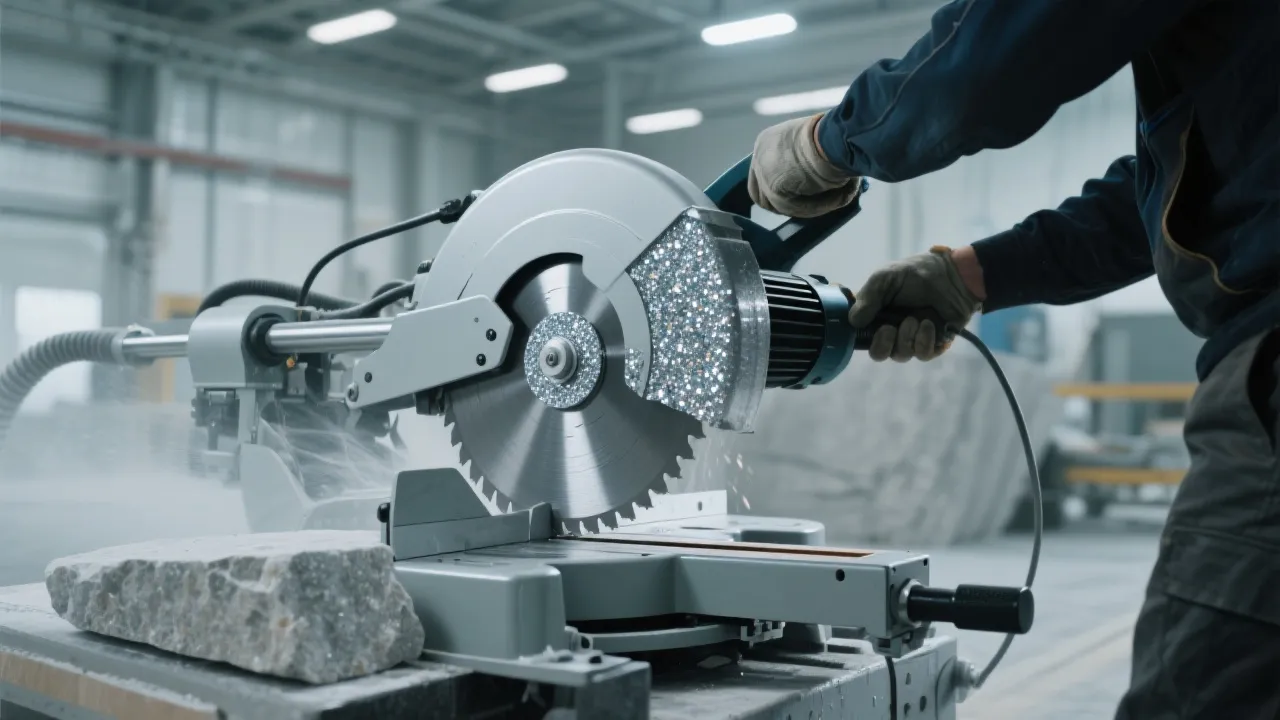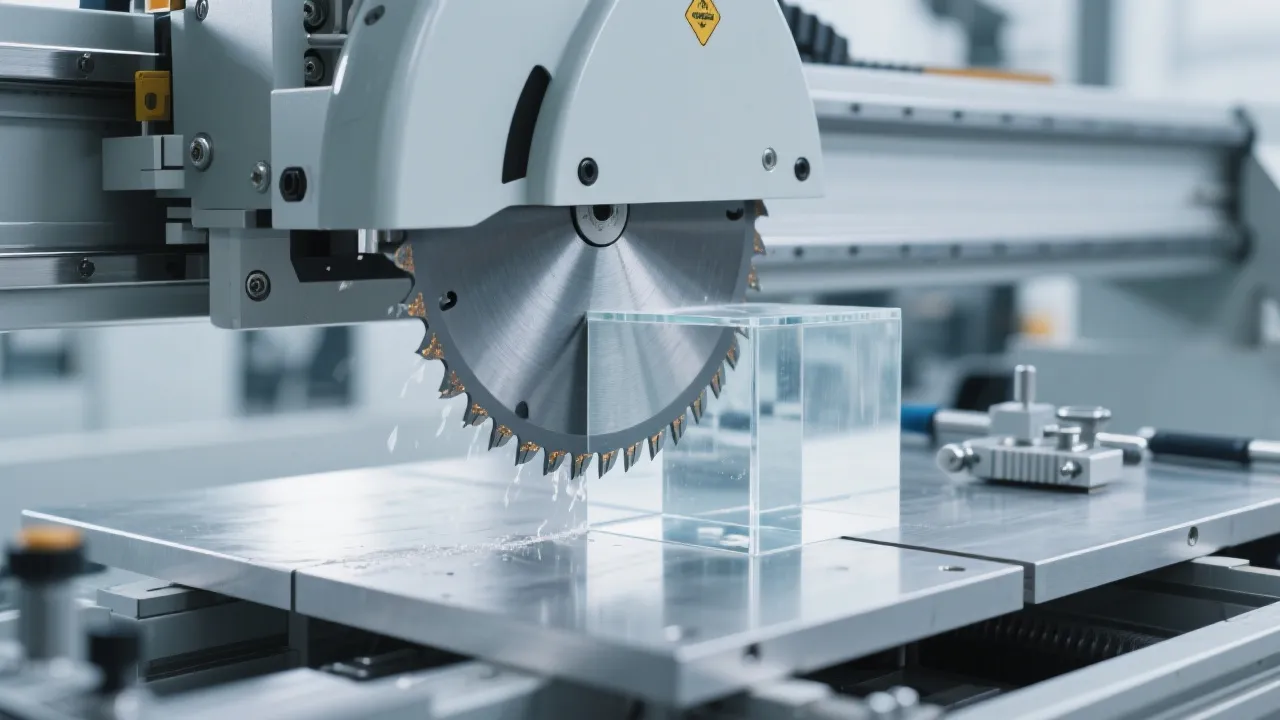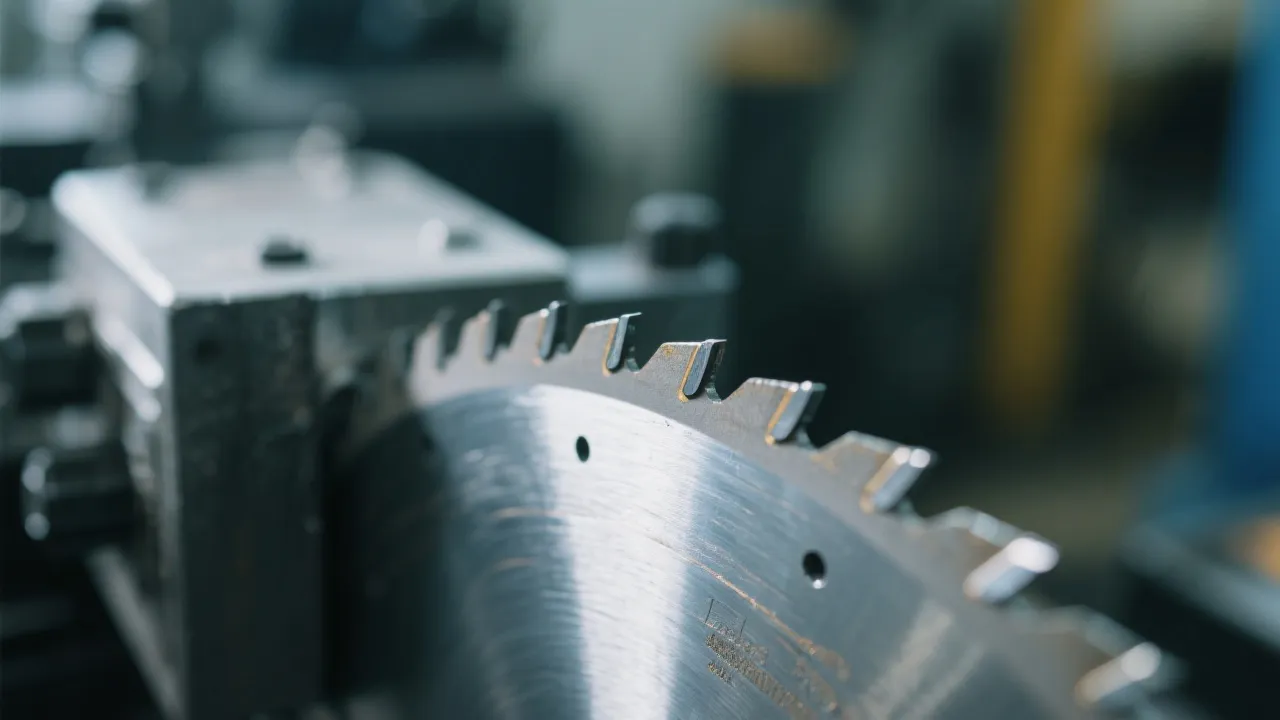
When it comes to precision industrial cutting, durability and performance of the cutting tool are paramount. Welded diamond cutting blades have steadily gained prominence over resin-based blades due to their superior longevity and consistent cutting quality. This article delves into the material science principles underpinning the remarkable durability of welded diamond blades, accentuating their advantages in industrial applications through scientific analysis and real-world data.
Diamonds, with a Mohs hardness rating of 10, stand unparalleled among naturally occurring materials. This extreme hardness allows diamond particles embedded within the cutting blade to effectively resist abrasion and maintain sharpness over extended use. Unlike resin-bound cutting segments, where abrasives can degrade rapidly, the welded diamond surface endures high mechanical stress and preserves cutting efficacy even under sustained operation.
Moreover, diamond’s thermal conductivity minimizes heat buildup during cutting, reducing damage to both the blade and the workpiece. This intrinsic property plays a vital role in maintaining blade integrity, especially during high-speed cuts on abrasive materials.
Beneath the diamond layer lies the high manganese steel substrate, notable for its exceptional impact toughness and work-hardening properties. This alloy’s unique atomic structure absorbs and disperses shock forces commonly occurring in cutting processes, significantly mitigating blade fractures and deformation.
Compared to conventional resin substrates, high manganese steel offers up to 30-50% higher resistance to impact overloads, translating into longer service life and fewer operational interruptions. The synergy between the rigid diamond edge and the resilient steel base forms a composite structure optimized for both hardness and toughness.
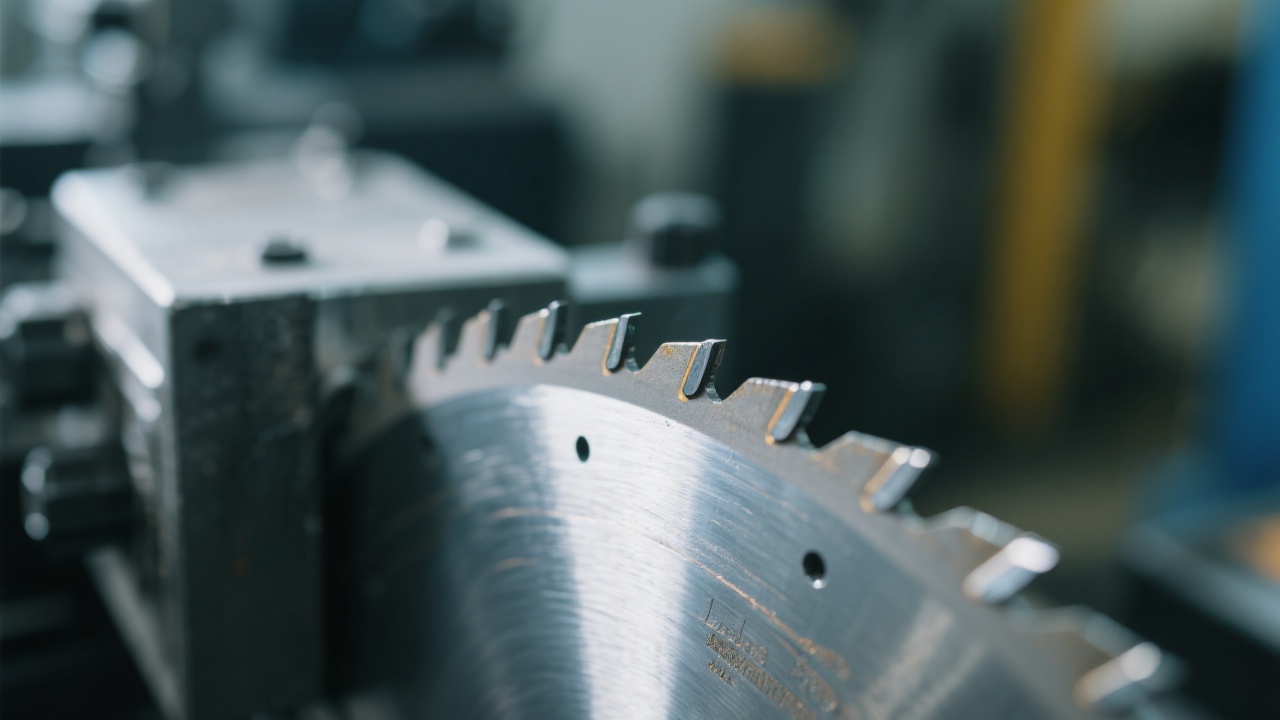
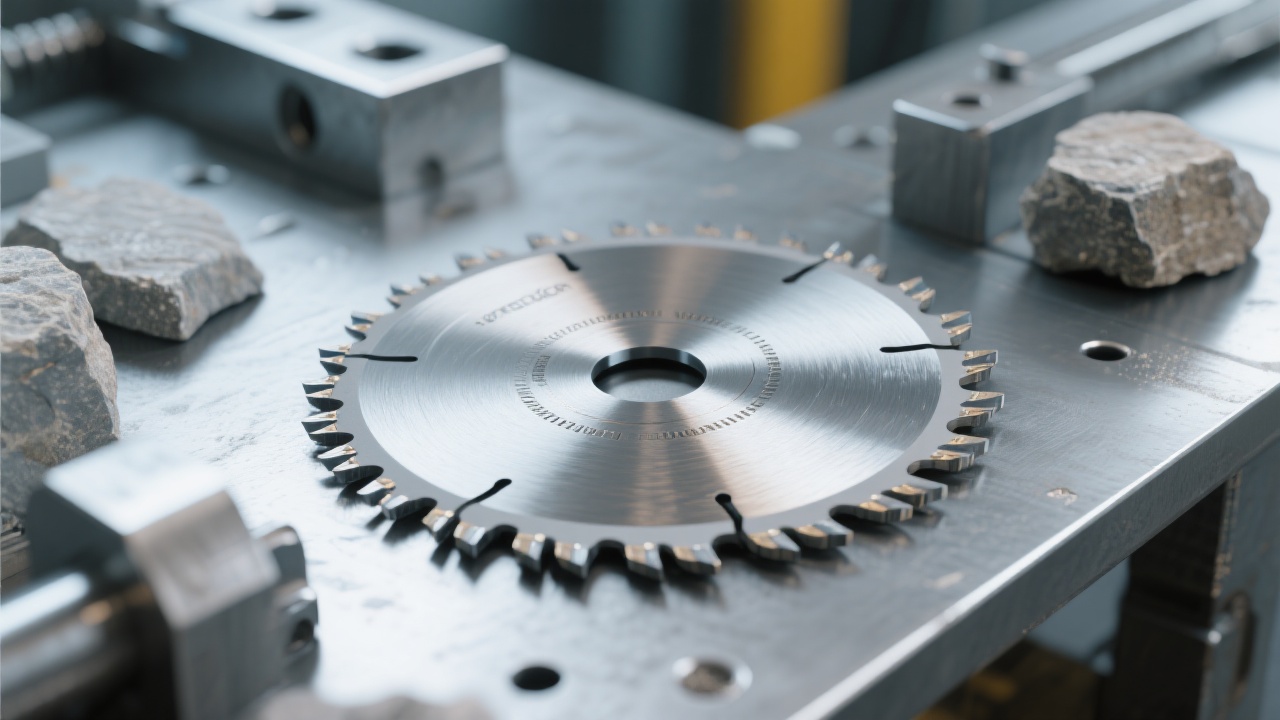
Welding techniques used to bond diamond segments to the steel substrate significantly impact overall blade stability. High-frequency resistance welding, for instance, creates a metallurgical bond that withstands thermal cycling and mechanical fatigue better than adhesive or resin bonding methods.
This process results in minimal interface imperfections, reducing micro-cracks and detachment risks during cutting operations. As a consequence, welded diamond blades offer consistently high performance and a durability uplift estimated at 20-40% compared with resin-bonded counterparts.
Industry testing and laboratory evaluations underscore critical differences in blade performance:
Numerous industrial case studies confirm the theoretical advantages. A documented trial involving a construction company operating in abrasive concrete cutting showed that welded diamond blades achieved a service life averaging 120 hours per blade, compared to approximately 40 hours for resin blades under identical conditions.
Furthermore, precision testing in accredited labs using standardized ASTM G65 wear tests indicated a diamond blade wear loss rate of less than 0.7 mg per cycle, substantially lower than the 2.5 mg observed with resin blades. Such quantitative evidence empowers buyers to make informed decisions based on performance metrics rather than solely cost.
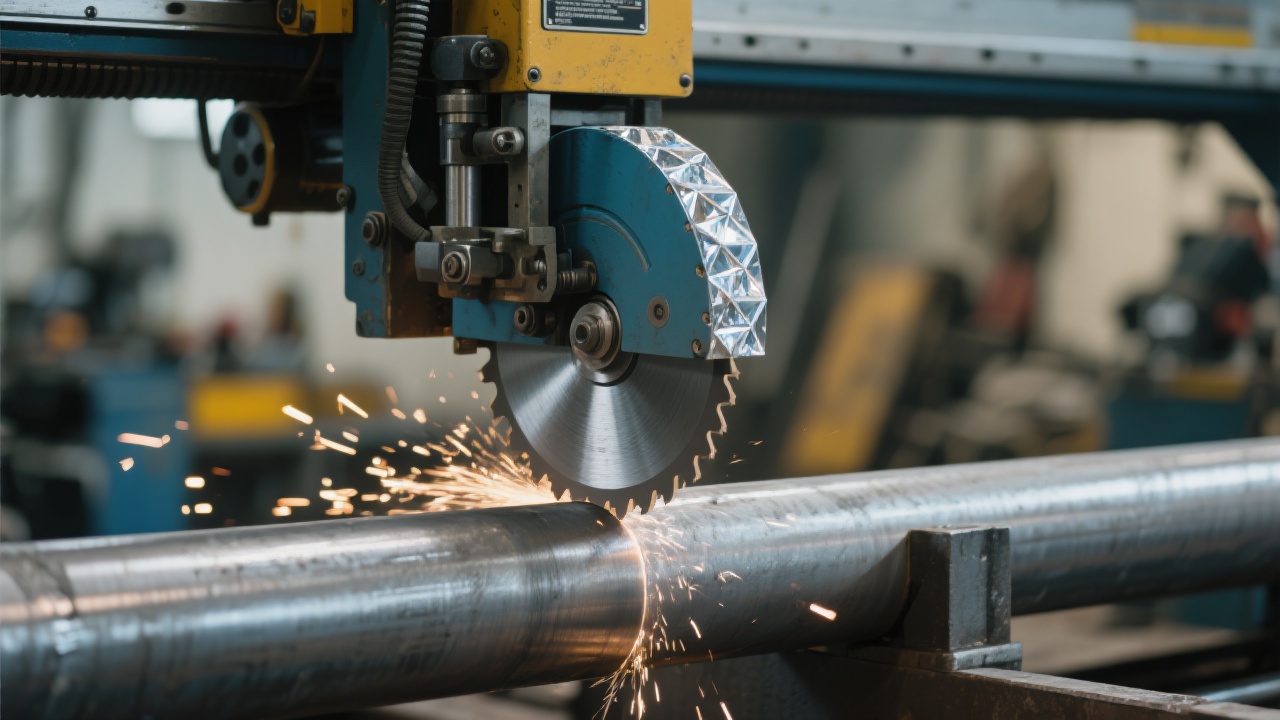
Understanding these material science fundamentals guides users in selecting cutting blades optimized for their specific needs. For applications demanding high durability and reliability, investing in welded diamond cutting blades proves economically advantageous in the long run.
Routine maintenance practices, such as proper cooling during operation and scheduled sharpening, further extend tool lifespan. Avoiding overheating and mechanical shocks by adhering to recommended operational parameters prevents premature wear and blade failure.
Engineered for precision, endurance, and efficiency, the Welded Diamond Cutting Blades 400 stand at the forefront of cutting tool innovation. Designed with optimized high manganese steel substrates and industrial-grade welded diamond segments, it offers unmatched durability and cutting quality tailored for demanding industrial environments.