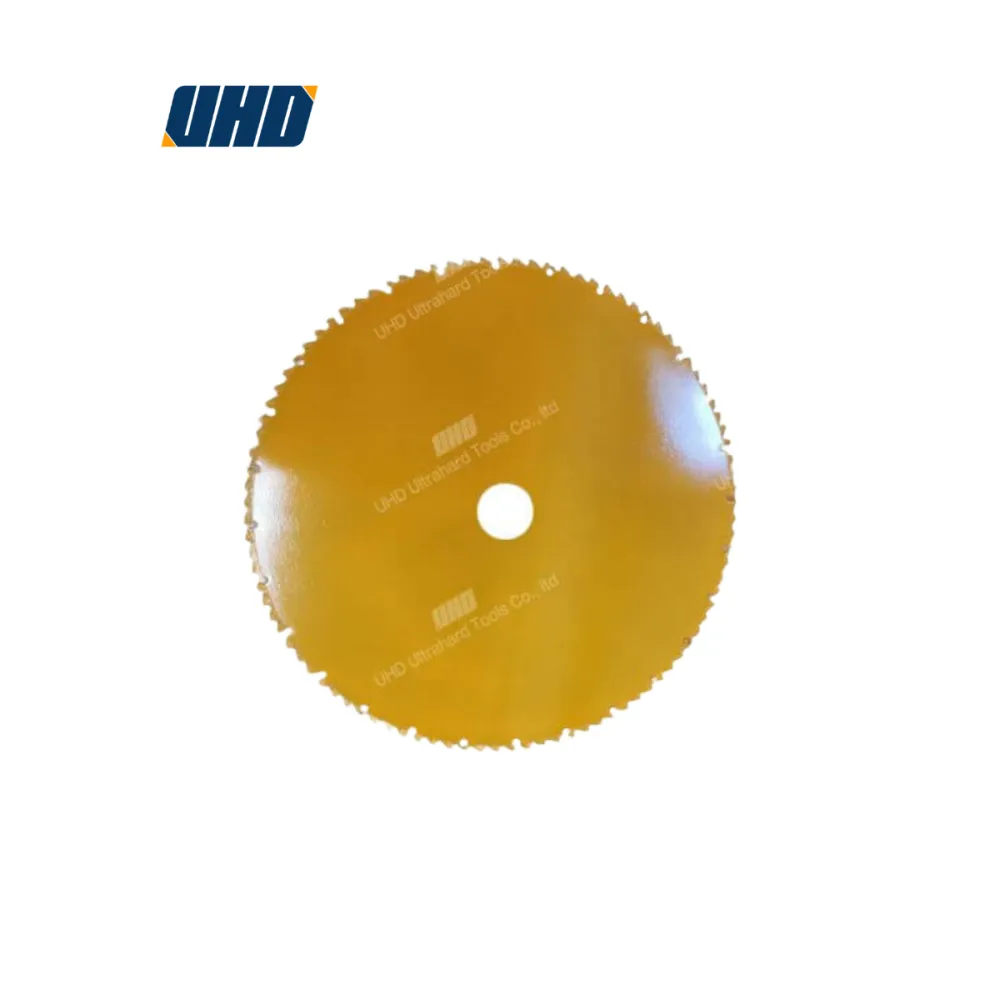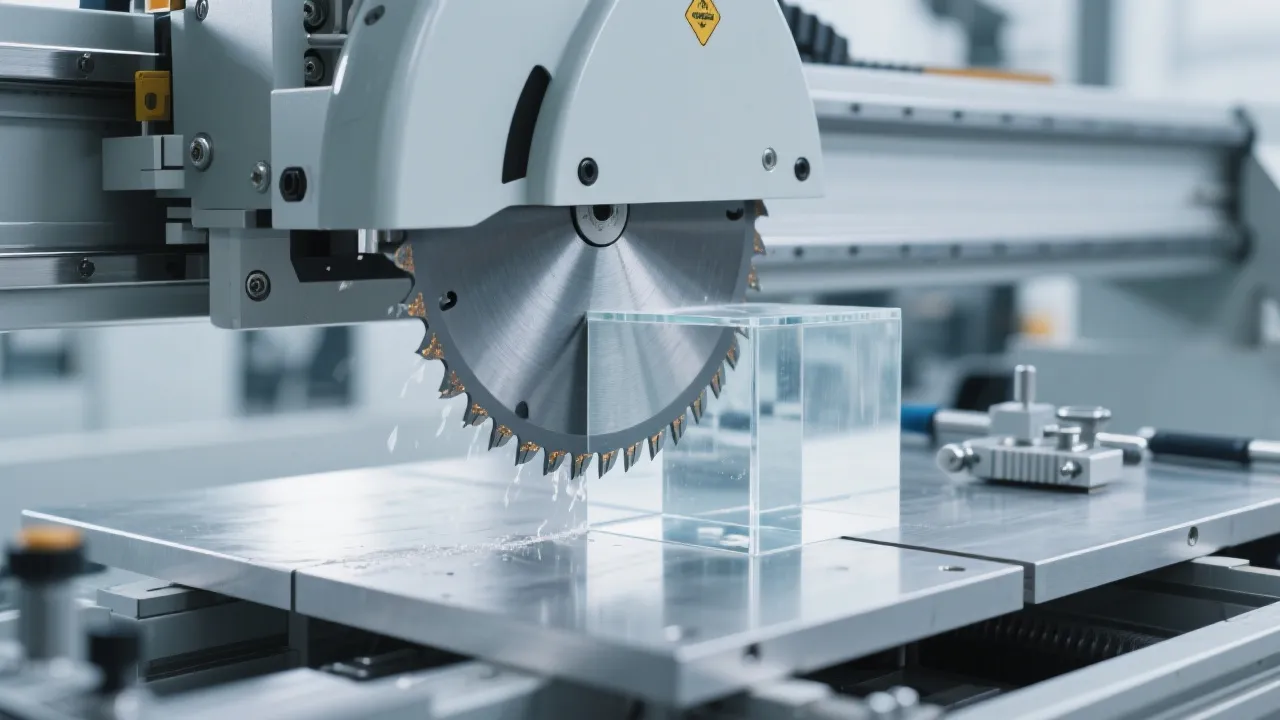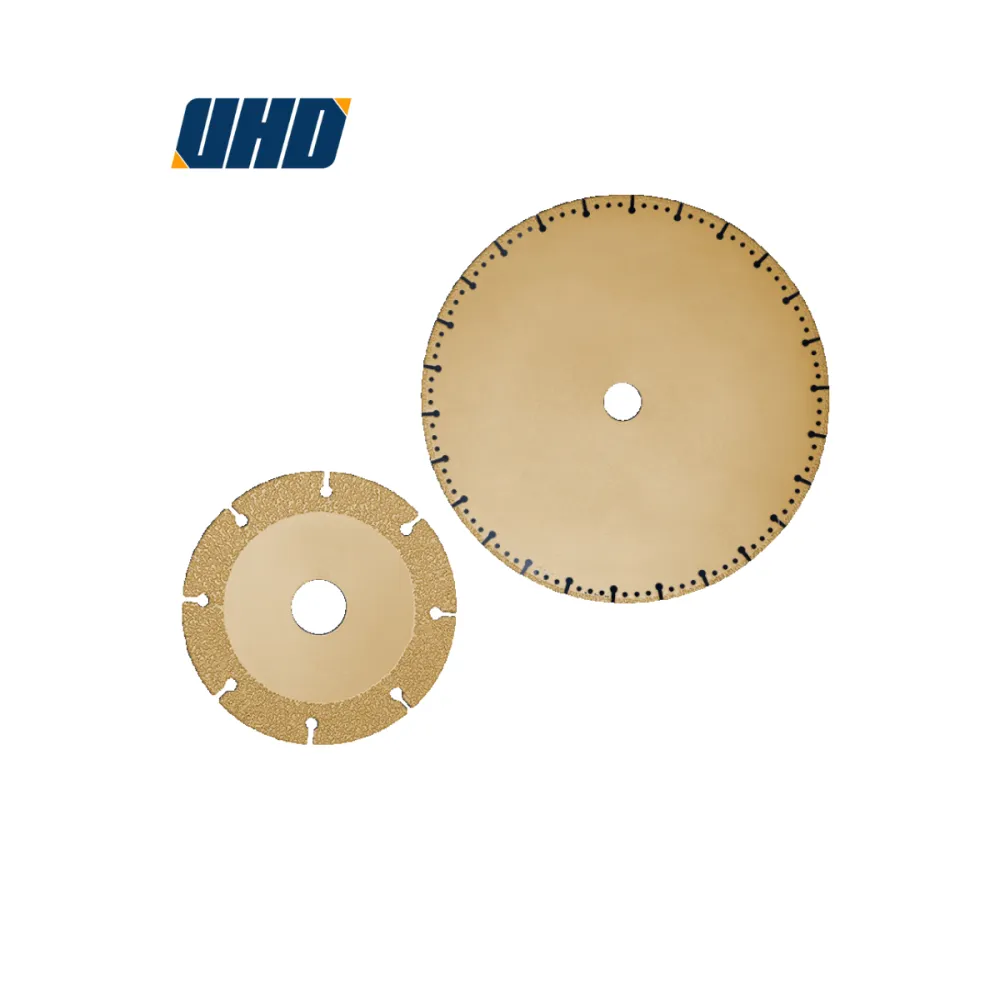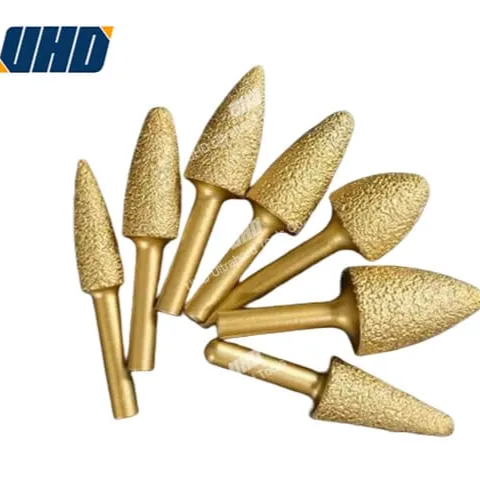
In the stone processing industry, achieving clean, burr-free cuts isn't just a matter of aesthetics—it directly impacts project timelines, material waste, and overall profitability. Recent industry studies show that poor cutting quality can increase production costs by up to 22% due to material waste and rework. This comprehensive guide reveals how advanced welded diamond saw blades are revolutionizing granite cutting precision while addressing the persistent challenges of dust generation and edge chipping.
At the heart of precision stone cutting lies the engineering of diamond saw blades. Unlike conventional abrasive tools, high-performance welded diamond blades incorporate three critical innovations that transform cutting outcomes:
Modern diamond blades feature laser-cut segment designs with alternating gullet patterns that reduce friction by up to 35% compared to traditional designs. This geometric optimization allows for cleaner material evacuation, minimizing the heat buildup that causes surface burning and micro-fractures in granite.
Advanced manufacturing processes now enable precise diamond particle placement with tolerances as tight as ±0.02mm. This均匀分布 creates consistent cutting action across the blade surface, eliminating the uneven wear patterns that traditionally caused chipping and irregular edges.
Integrated cooling systems within blade cores reduce operating temperatures by up to 40°C during cutting operations. This thermal management not only extends blade life by 25-30% but also prevents thermal shock to sensitive stone materials like polished granite.
Granite's unique crystalline structure—composed primarily of quartz (20-60%), feldspar (30-70%), and mica (5%)—presents distinct cutting challenges. The key to burr-free results lies in optimizing three critical parameters:
| Granite Type | Optimal RPM | Feed Rate | Coolant Flow |
|---|---|---|---|
| Black Galaxy | 2800-3200 | 3-5 m/min | 15-20 l/min |
| Ubatuba | 2500-2900 | 2.5-4 m/min | 18-22 l/min |
| Giallo Ornamental | 3000-3400 | 4-6 m/min | 12-18 l/min |
These parameters represent starting points that should be fine-tuned based on specific material density and cutting equipment. A leading Italian stone processor recently documented a 40% reduction in edge defects after implementing these optimized cutting parameters with premium welded diamond blades.
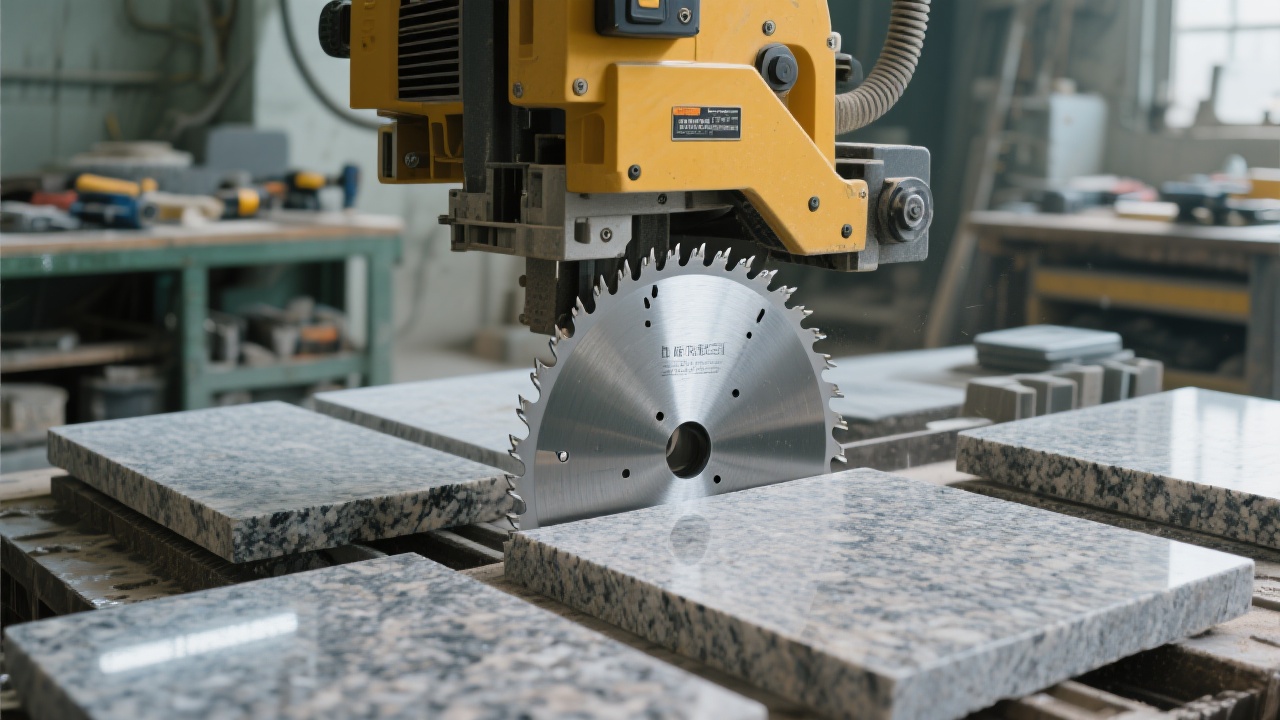
When a major construction company in Dubai faced repeated quality issues with their granite cladding installation, they turned to optimized diamond cutting technology. By implementing the following protocol, they achieved a 95% reduction in visible burrs and edge defects:
The result? A 30% reduction in material waste and the project was completed 12 days ahead of schedule, delivering an estimated $147,000 in cost savings.
Beyond achieving clean cuts, modern stone processing demands严格的 dust control measures. OSHA standards limit respirable crystalline silica exposure to 50 µg/m³ over an 8-hour work shift. Advanced diamond cutting systems address this through:
Blades with specialized dust extraction ports can capture up to 92% of generated dust when paired with appropriate vacuum systems, significantly improving air quality and worker safety.
Properly applied coolant not only reduces heat but also suppresses dust particles, with studies showing a 75% reduction in airborne particles when using mist cooling systems.
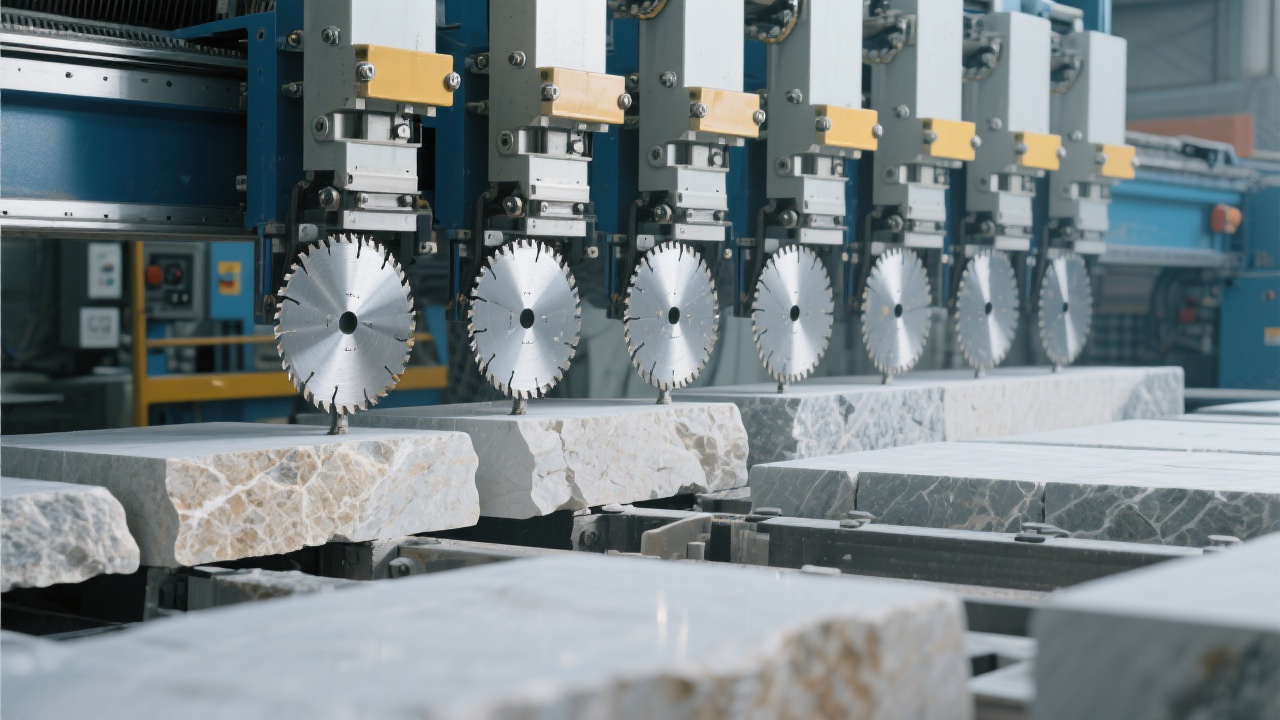
Today's stone processing operations face increasing pressure to meet stringent environmental regulations while maintaining productivity. High-performance diamond saw blades contribute to sustainability goals in several ways:
Discover how our advanced welded diamond cutting solutions can reduce waste, improve finish quality, and enhance your bottom line.
Explore Technical Specifications & Download WhitepaperContractors and stone processors worldwide are achieving remarkable results by combining the right equipment with proper technique. Whether working with granite, marble, or engineered stone, the principles outlined in this guide provide a foundation for excellence in stone cutting. As materials continue to evolve and project requirements become more demanding, investing in advanced cutting technology isn't just an option—it's a necessity for remaining competitive in today's market.