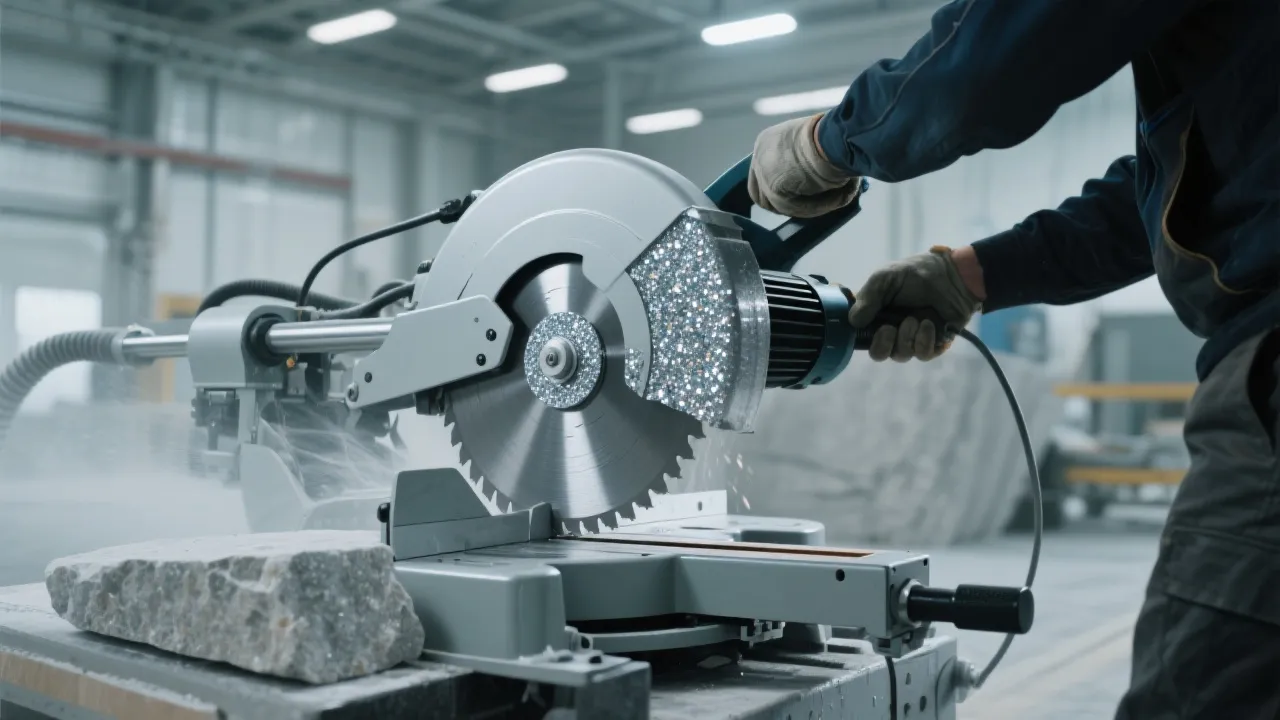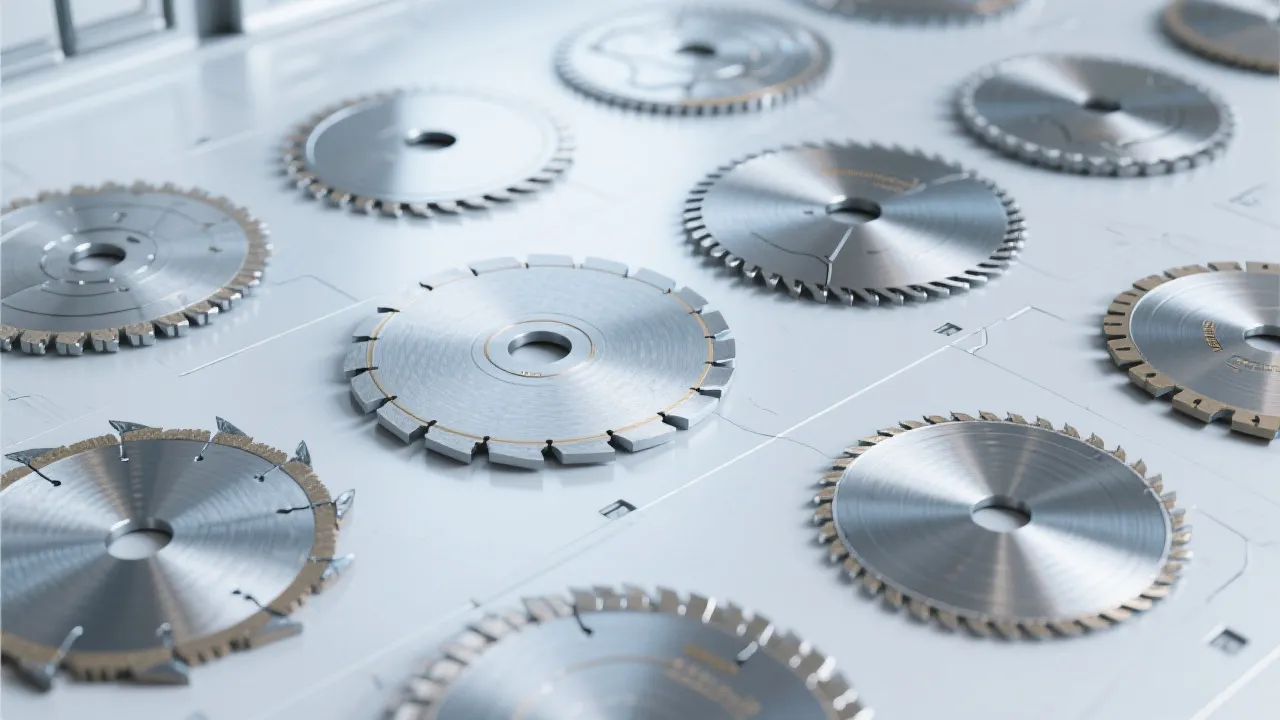
In the stone processing industry, the stability of stone cutting is crucial for both the quality of the cut and the safety of the operation. This article delves deep into the causes of saw blade vibration during stone cutting and its impacts on cutting quality and safety. It focuses on four key technical methods to effectively control saw blade vibration and enhance cutting stability: matrix stiffness design, cutter head balance calibration, clamping precision control, and equipment matching.
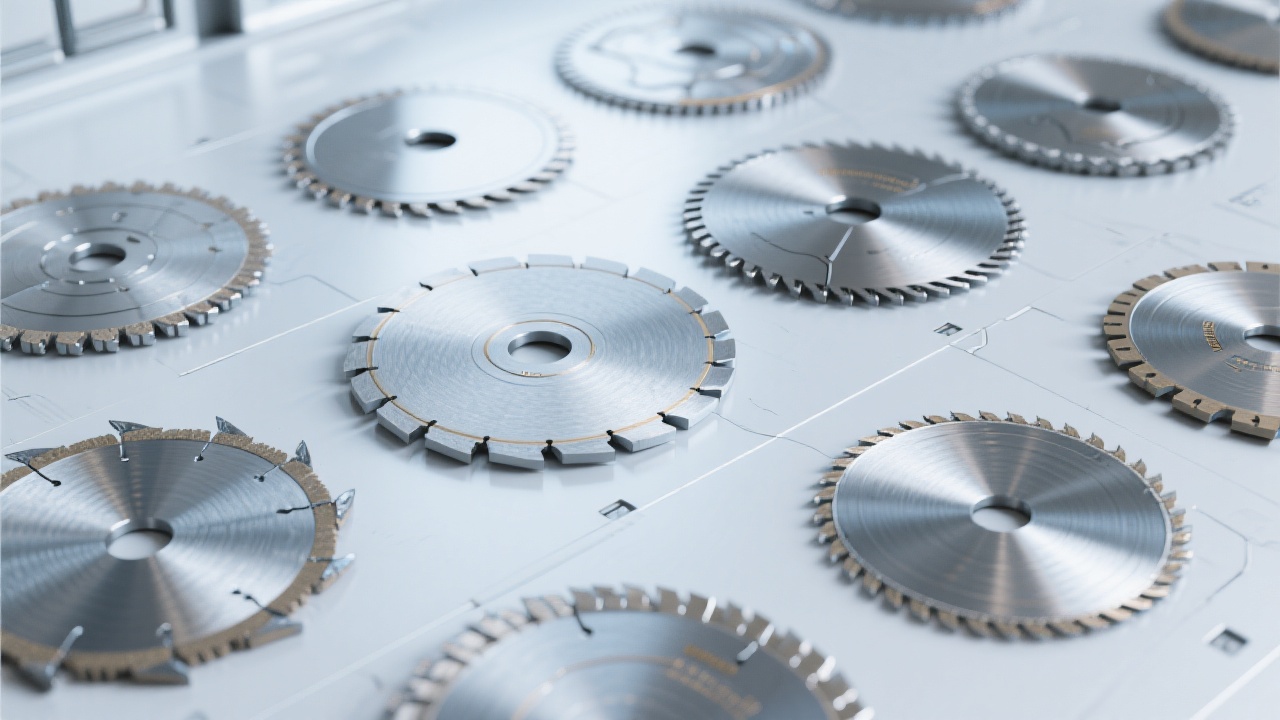
Saw blade vibration during stone cutting can be caused by various factors. Uneven distribution of cutter head weight, improper clamping, and mismatched equipment are common culprits. This vibration not only affects the smoothness of the cut surface but also poses a significant risk to the safety of operators. Studies have shown that excessive saw blade vibration can reduce cutting efficiency by up to 30% and increase the rejection rate of finished products by 20%.
The stiffness of the saw blade matrix plays a vital role in reducing vibration. A well - designed matrix can absorb and disperse the energy generated during cutting. For example, using high - strength alloy materials can increase the matrix's stiffness by 15% - 25%, effectively reducing vibration and improving cutting stability.
Balanced cutter heads are essential for stable cutting. By precisely measuring and adjusting the weight distribution of the cutter heads, vibration caused by uneven rotation can be minimized. Professional balance calibration equipment can ensure that the imbalance of the cutter head is controlled within 0.05g - 0.1g, significantly improving cutting quality.
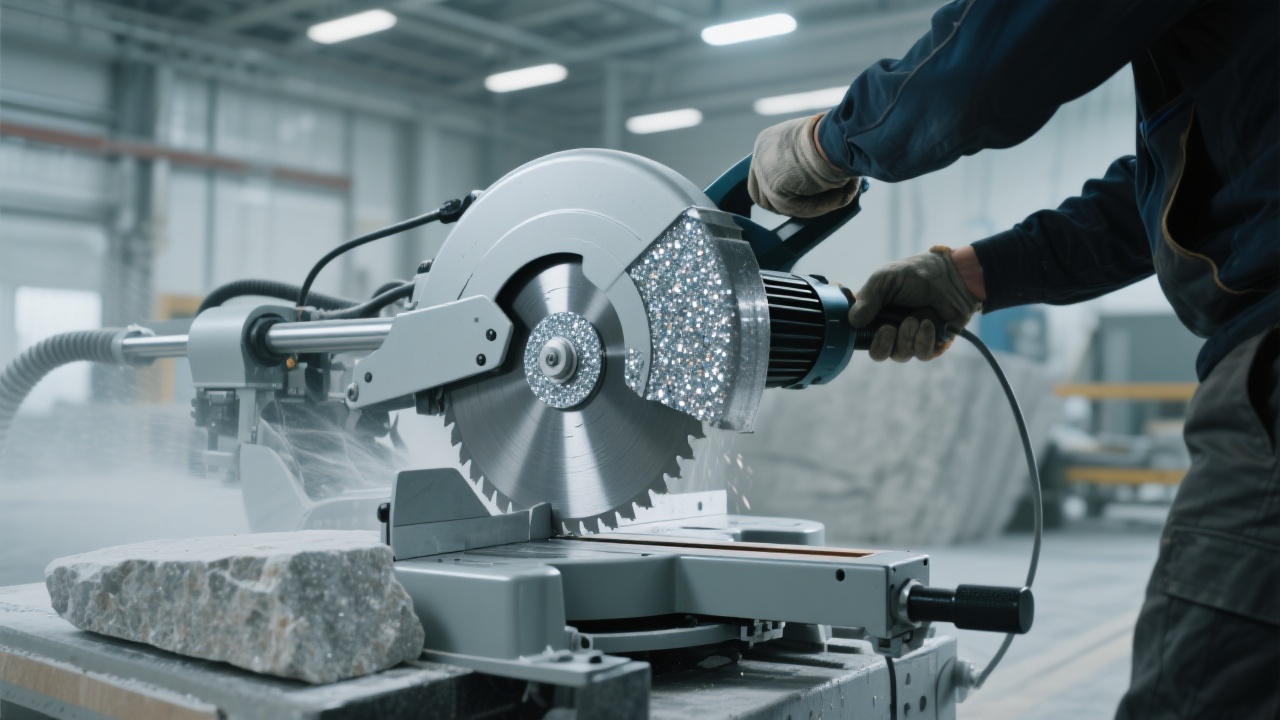
The clamping device must hold the saw blade firmly and precisely. Any looseness or misalignment can cause severe vibration. High - precision clamping devices can ensure that the concentricity of the saw blade and the spindle is within 0.02mm - 0.05mm, guaranteeing stable cutting.
Matching the saw blade with the appropriate cutting equipment is also crucial. Factors such as the power, speed, and torque of the machine should be considered. For instance, a saw blade with a diameter of 400mm is best paired with a machine with a power of 5 - 7kW and a rotation speed of 2000 - 3000 rpm to achieve optimal cutting performance.
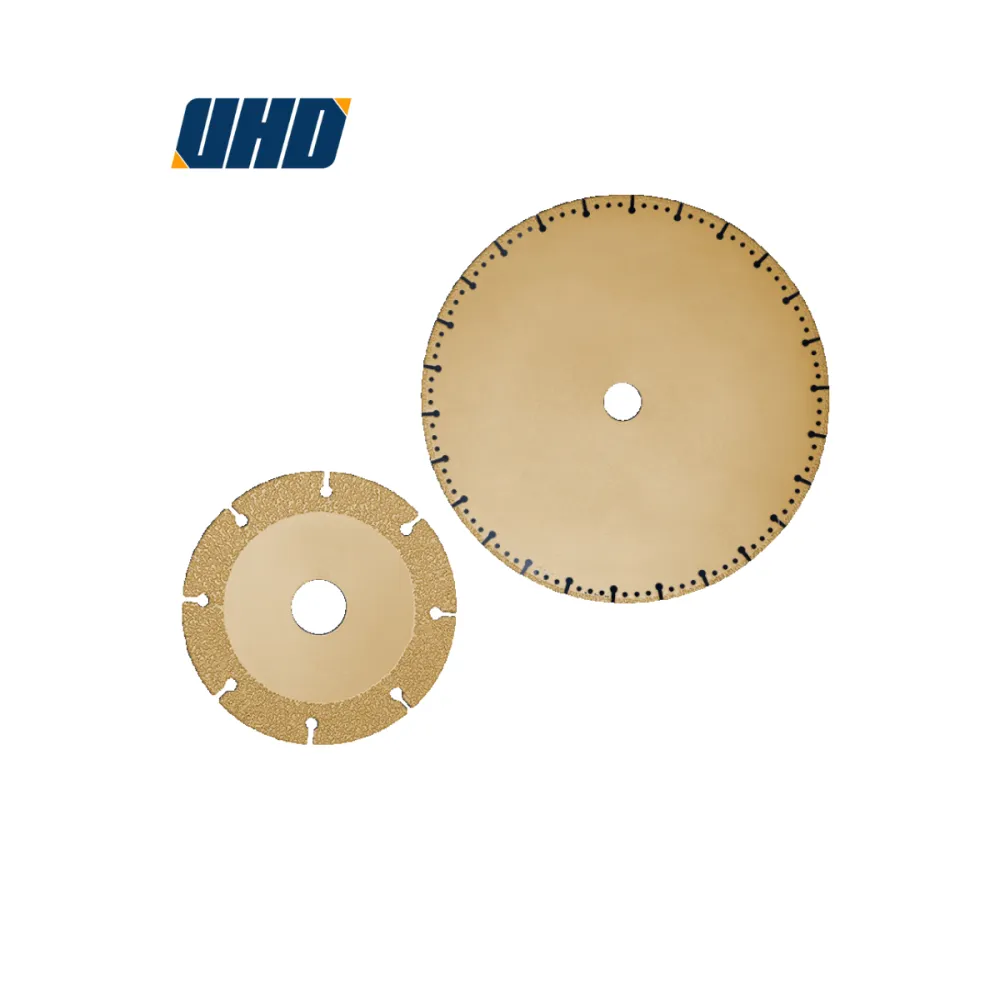
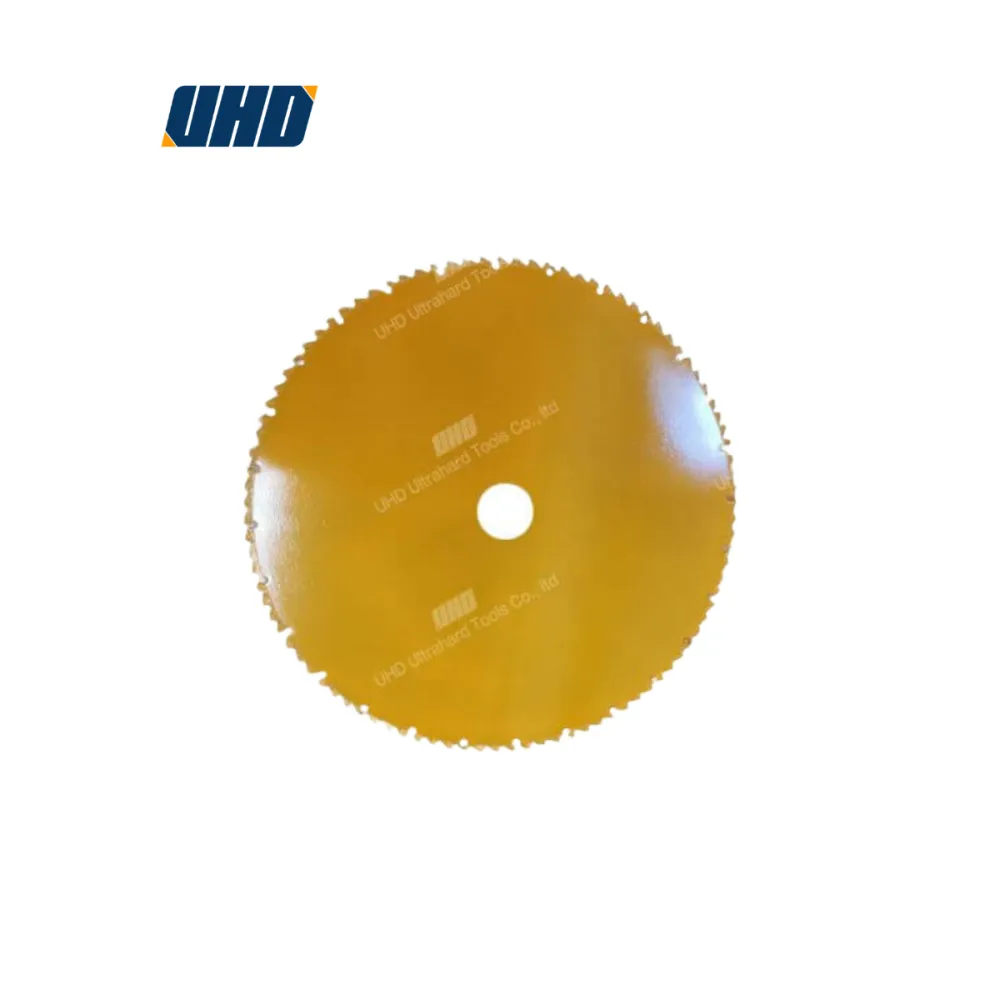
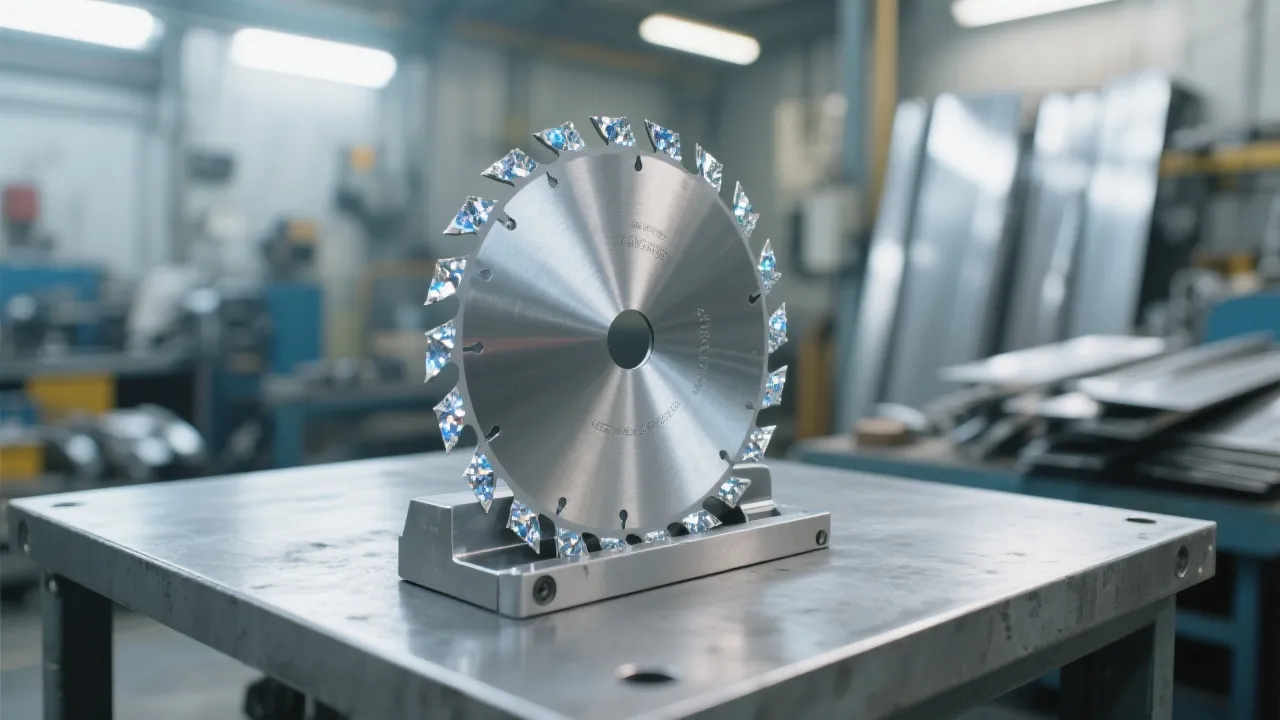
The UD Super Hard Brazed Diamond Saw Blade 400H incorporates the latest vibration control technologies. With its advanced matrix stiffness design, precise cutter head balance calibration, and excellent clamping performance, it can effectively reduce vibration and improve cutting stability. The saw blade has been widely used in stone factories and decoration construction units, with a user satisfaction rate of over 90%.
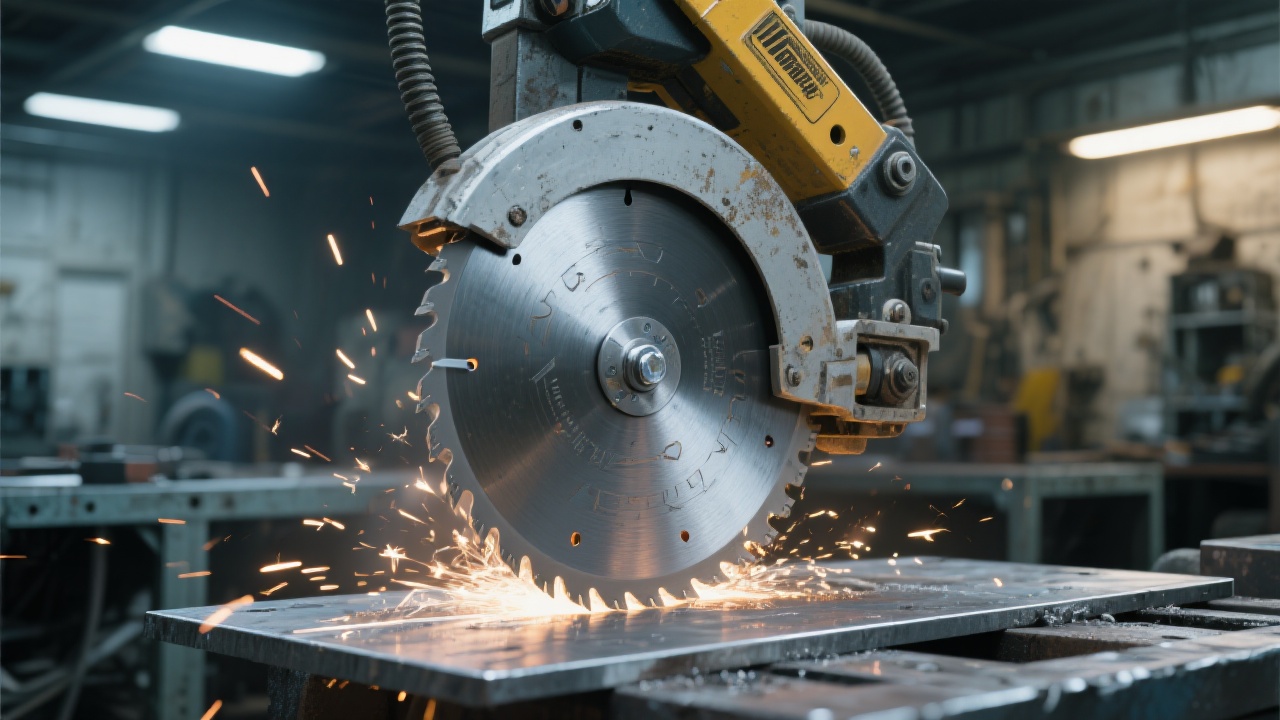
A large - scale stone factory in Italy adopted the UD Super Hard Brazed Diamond Saw Blade 400H. After installation and adjustment, the cutting efficiency increased by 25%, and the surface roughness of the finished stone products decreased by 30%. In a high - end decoration project in the United States, the use of this saw blade reduced the cutting time of stone materials by 20% and improved the overall quality of the decoration project.
The standard installation process of the UD Super Hard Brazed Diamond Saw Blade 400H is provided with detailed text and image instructions. At the same time, common installation errors and troubleshooting suggestions are also presented. By following these steps, users can ensure the correct installation and use of the saw blade, minimizing vibration and potential risks.
Q: What is the service life of the UD Super Hard Brazed Diamond Saw Blade 400H?
A: Under normal working conditions, the service life of the saw blade can reach 500 - 800 hours.
Q: Can the saw blade be used for different types of stones?
A: Yes, it is suitable for cutting various common stones, such as marble, granite, and limestone.
Discover the UD Super Hard Brazed Diamond Saw Blade 400H Now!
We encourage you to share your questions and experiences. Feel free to leave a comment below, and our experts will respond to you as soon as possible.