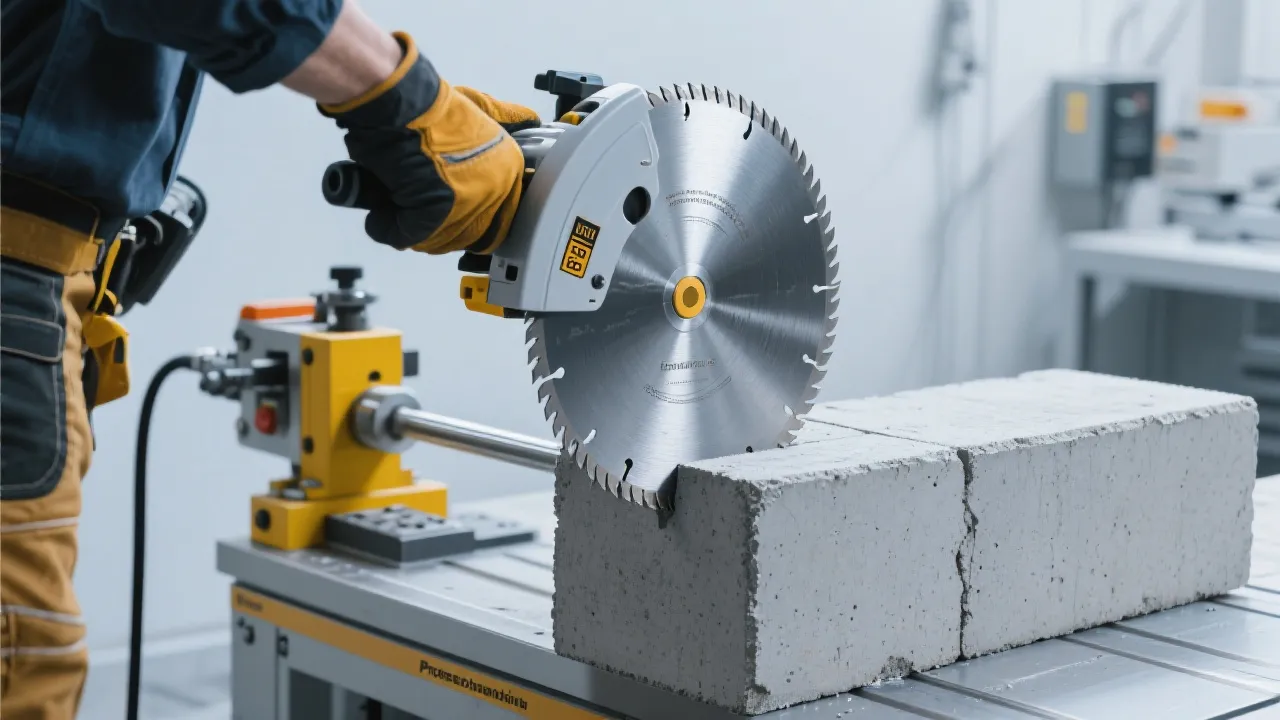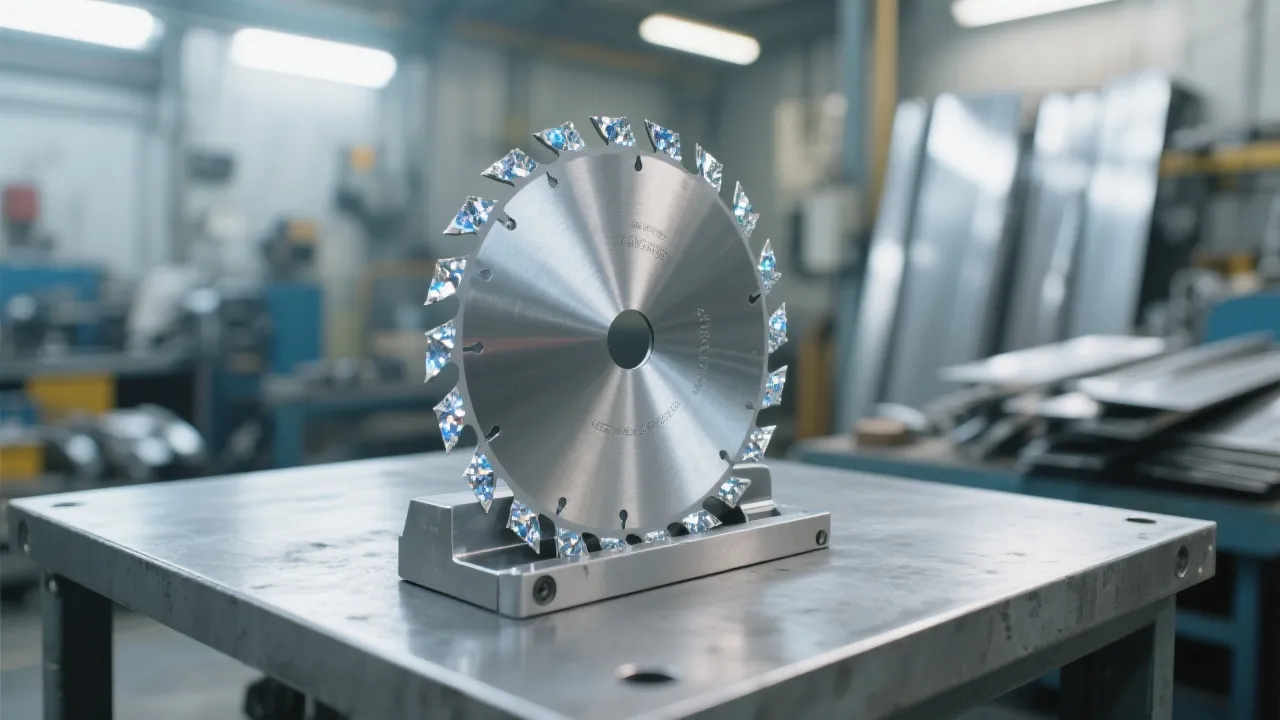
High-speed cutting saw blades generate significant heat due to friction during operation. If not effectively dissipated, excessive heat accelerates diamond segment wear, compromises cutting efficiency, and poses safety risks. Understanding the heat generation mechanisms and implementing optimal cooling designs are critical to extending blade lifespan and maintaining operational safety.
During cutting, mechanical friction between the diamond segments and the workpiece produces temperatures often exceeding 200°C within seconds. The heat transfer process primarily involves conduction through the blade body, convection to ambient air, and in some cases, fluid cooling. The thermal conductivity of blade materials — typically high-grade steel combined with brazed diamond segments — plays a pivotal role in channeling heat away from the cutting edge.
Data Insight: A typical 400 mm diameter saw blade can generate heat at rates up to 500 watts during heavy-duty cutting, requiring advanced thermal management to avoid segment degradation.
Premium blades like the Youde Ultra-Hard Tools Co.'s 400H soldered diamond saw blade feature meticulously engineered heat dissipation structures. The blade incorporates finned heat sinks directly integrated onto the blade body, crafted from thermally conductive alloys. These fins maximize surface area, enhancing heat transfer through conduction.
Geometrically, the fins are arranged radially with optimized spacing, promoting efficient airflow during rotation. This passive cooling mechanism leverages centrifugal forces and air dynamics to remove heat continuously.
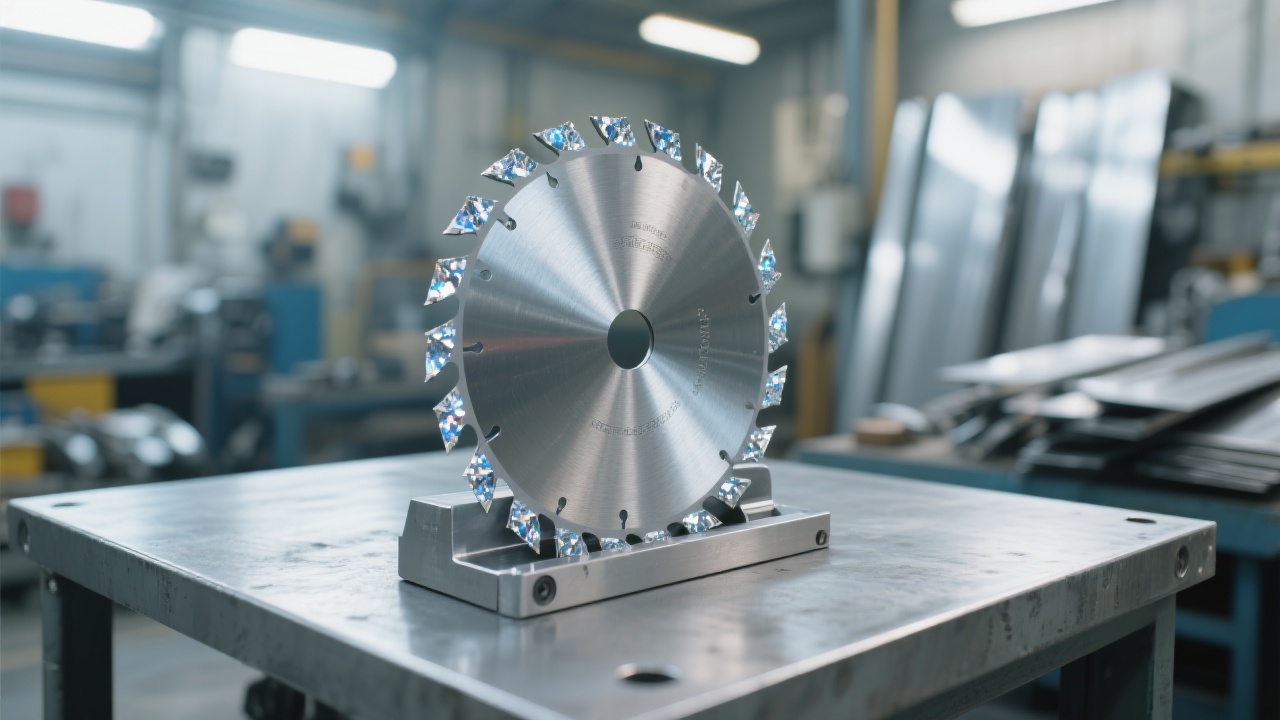
When the blade rotates at speeds exceeding 4,000 RPM, the fins act as miniature fans, increasing air velocity over the blade surface. This aerodynamic effect significantly improves convective heat loss to surrounding air — often accounting for 40–60% of total heat dissipation under dry cutting conditions.
Engineering Note: Computational Fluid Dynamics (CFD) simulations confirm that refining fin shape to reduce turbulence and optimize laminar airflow can improve convective cooling efficiency by up to 25%.
Beyond passive cooling, active methods like water cooling systems play a critical role, particularly in high-intensity cutting applications. Water cools the blade by absorbing heat through direct contact, reducing surface temperature rapidly and flushing away debris. It can lower blade temperatures by more than 100°C within minutes during heavy cutting.
For optimum results, water flow rate should be maintained between 4 to 6 liters per minute, ensuring uniform cooling without compromising cutting precision. Alternative cooling methods include oil mist and air-assisted cooling, though water remains the industry standard.
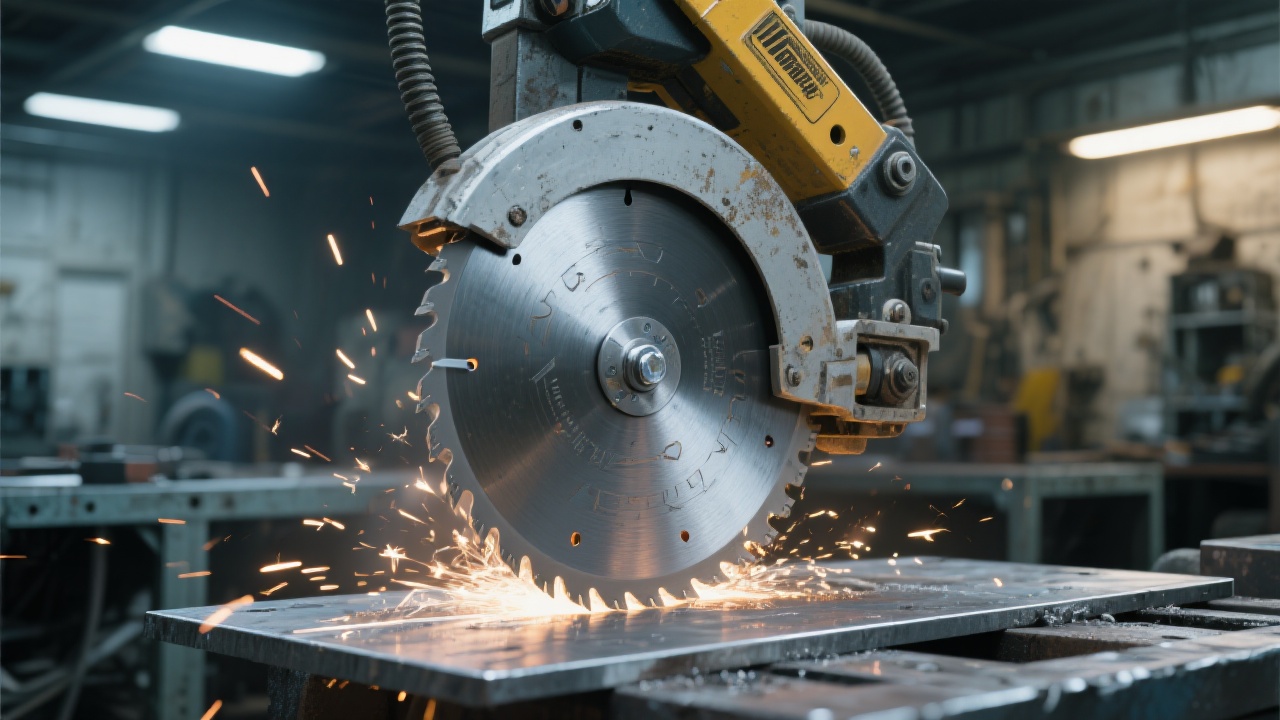
Routine inspection of high-speed saw blades is indispensable. Daily checks should focus on:
Following these protocols significantly extends blade lifespan, reducing downtime and enhancing safety.
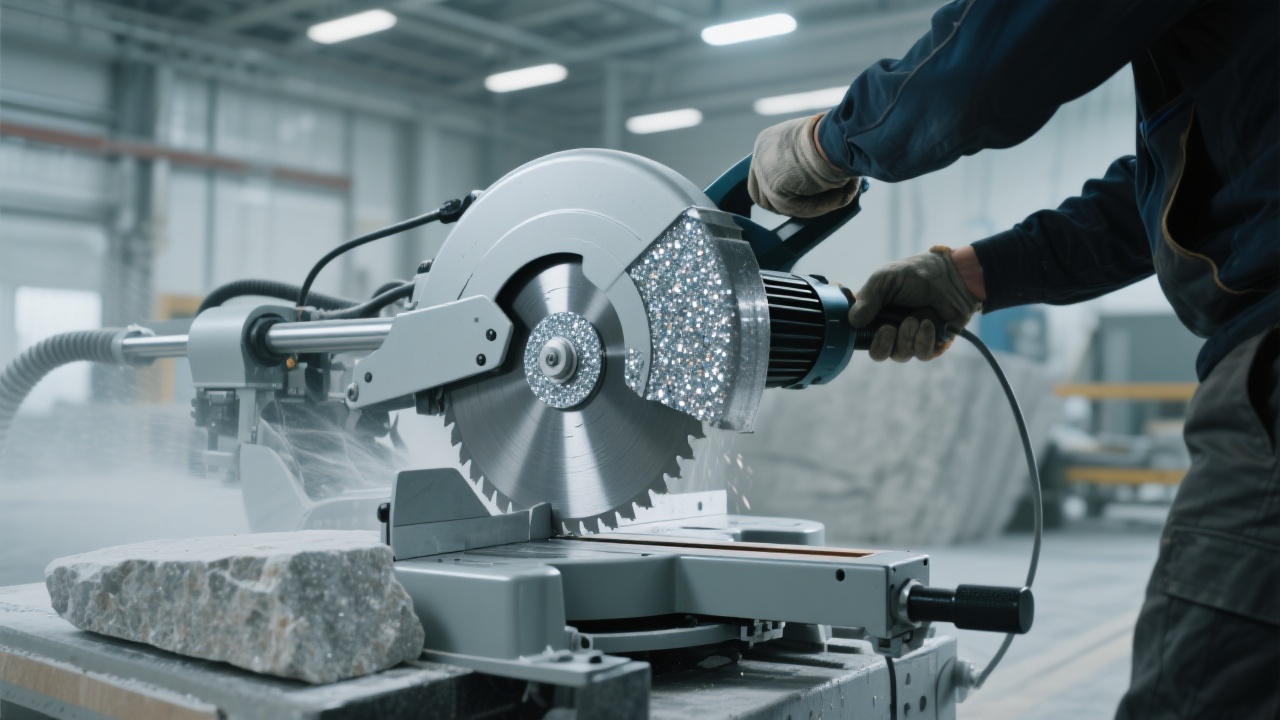
Experienced operators recommend maintaining stable feed pressure to avoid overheating caused by excessive friction. Implementing intermittent cutting cycles allows heat to dissipate naturally. Selecting high-quality blades with integrated heat dissipation features, such as the Youde 400H series, ensures consistent cutting performance.
Remember: Efficient heat management directly translates into reduced diamond segment wear rates, which can improve blade life by over 30% and stabilize cutting accuracy.
Consider integrating short video demonstrations showcasing proper blade cooling system setup and maintenance routines. These visual aids enhance the user’s understanding and encourage best practices in blade heat management.