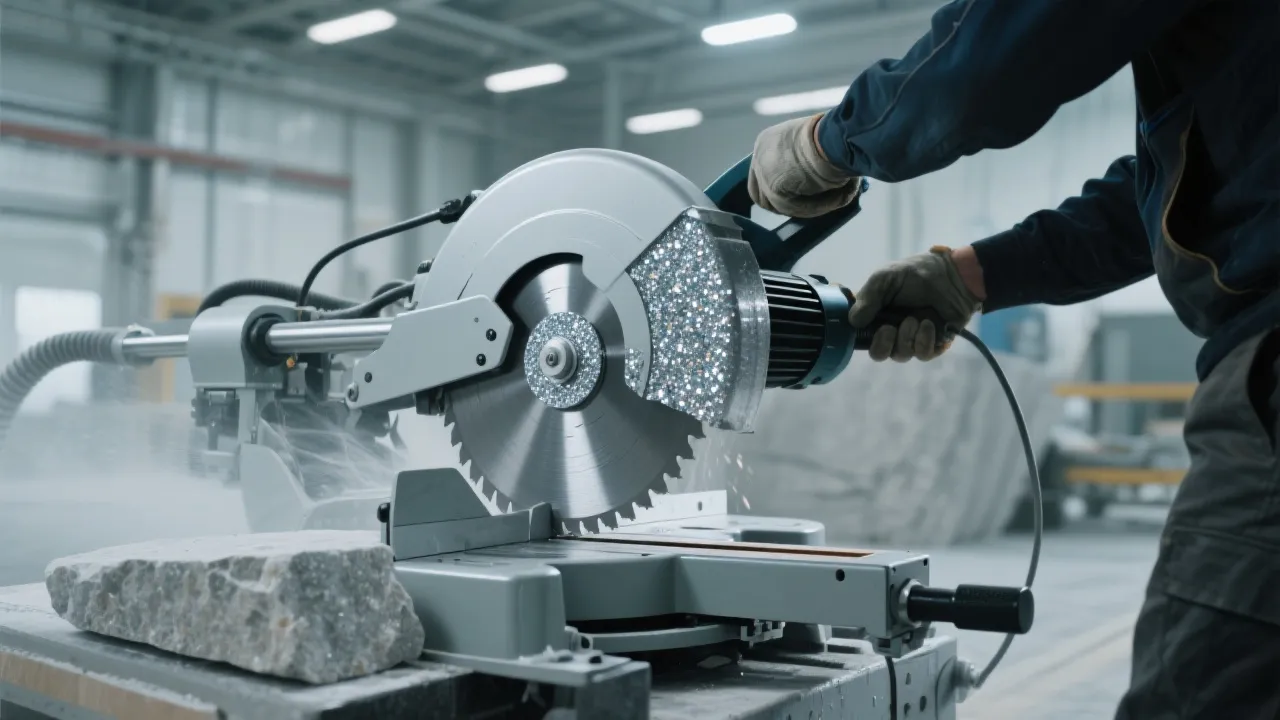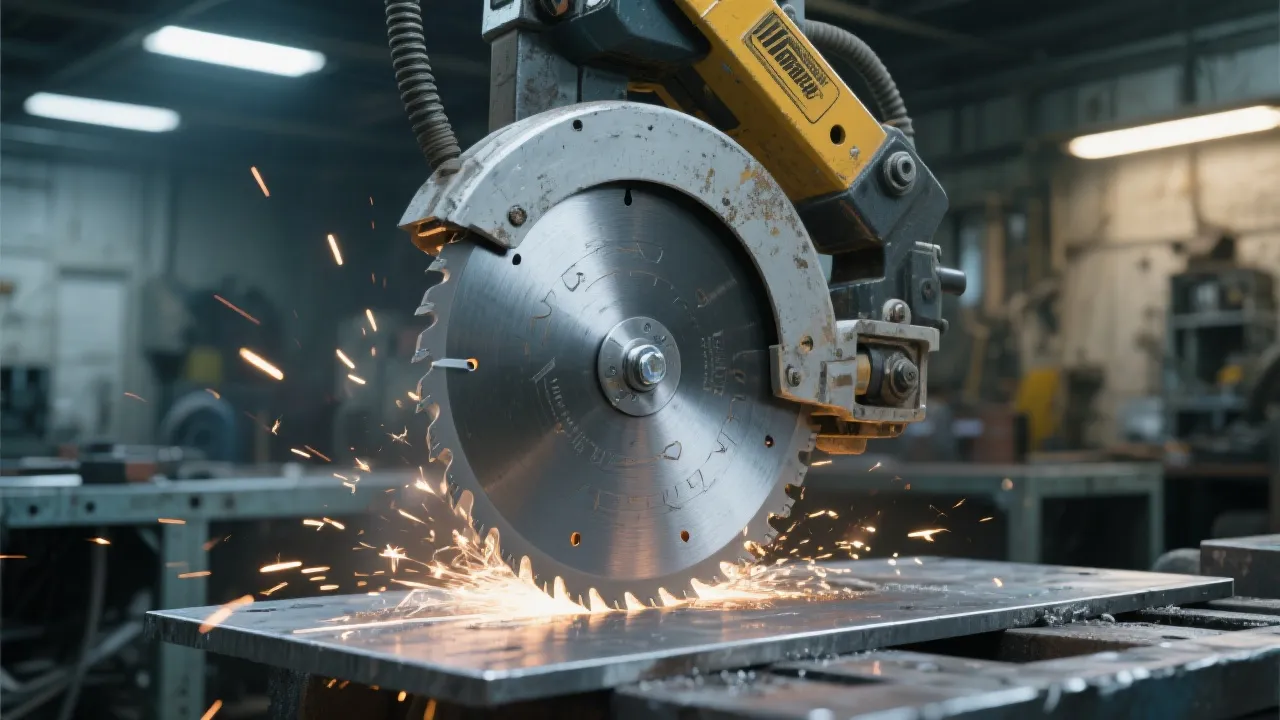
You're not alone if your diamond saw blade is running hot during cutting jobs. In fact, studies show that over 67% of industrial users experience premature wear due to poor heat management — and it’s often preventable.
When a blade spins at 3,000 RPM or more, friction generates intense heat — up to 450°C (842°F) in just minutes under heavy load. That’s hotter than a kitchen oven! If this heat isn’t managed, the bond between the diamond grit and the metal matrix weakens. Result? Rapid dulling, chipping, and even catastrophic failure.
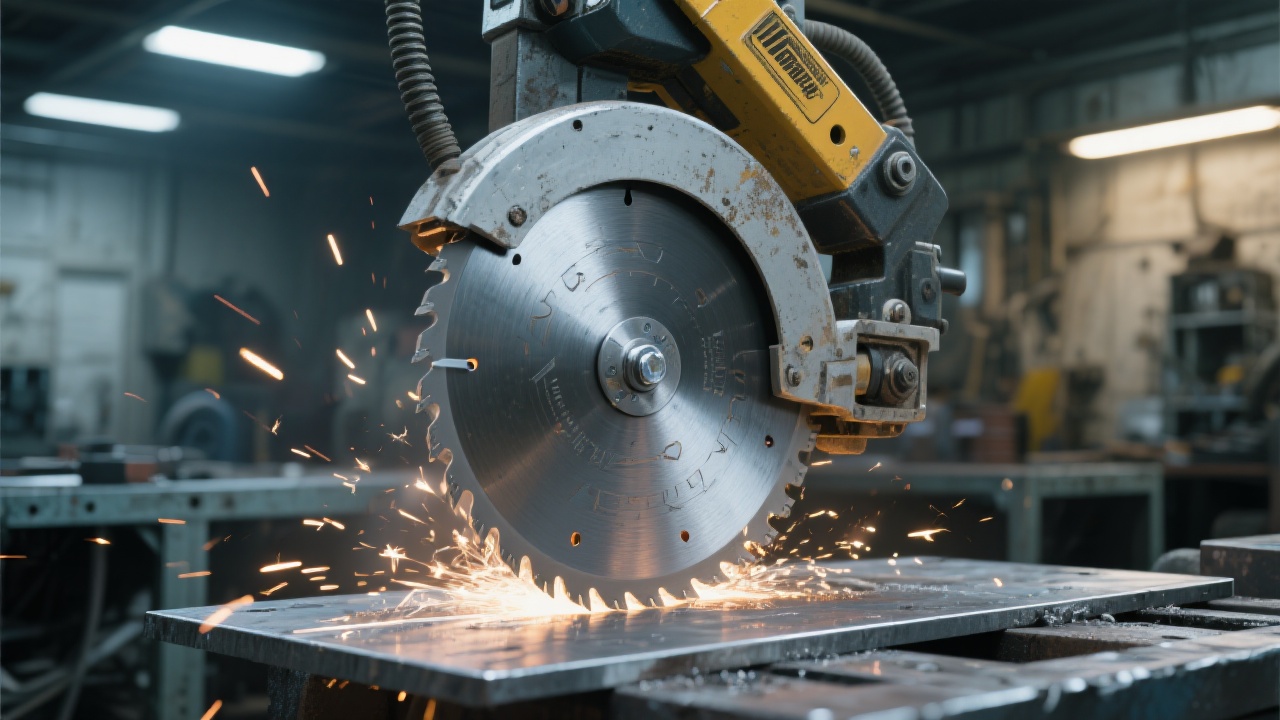
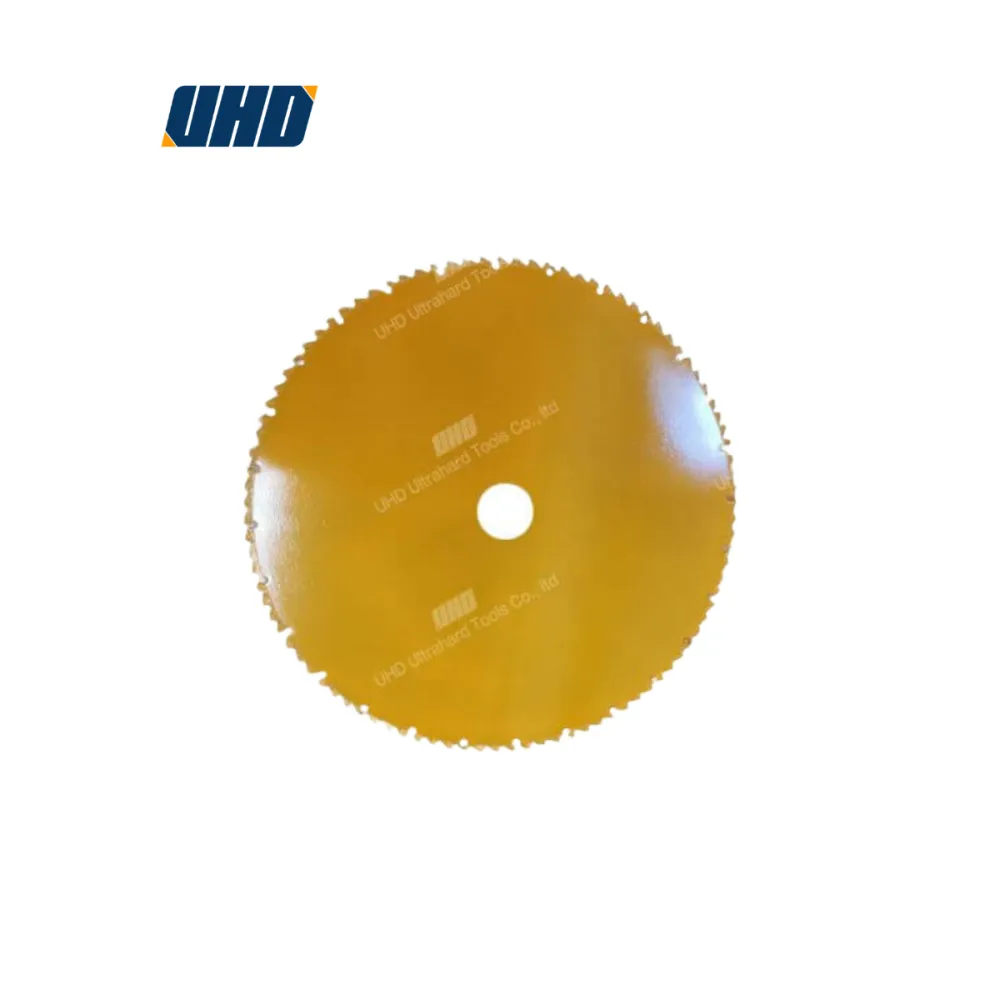
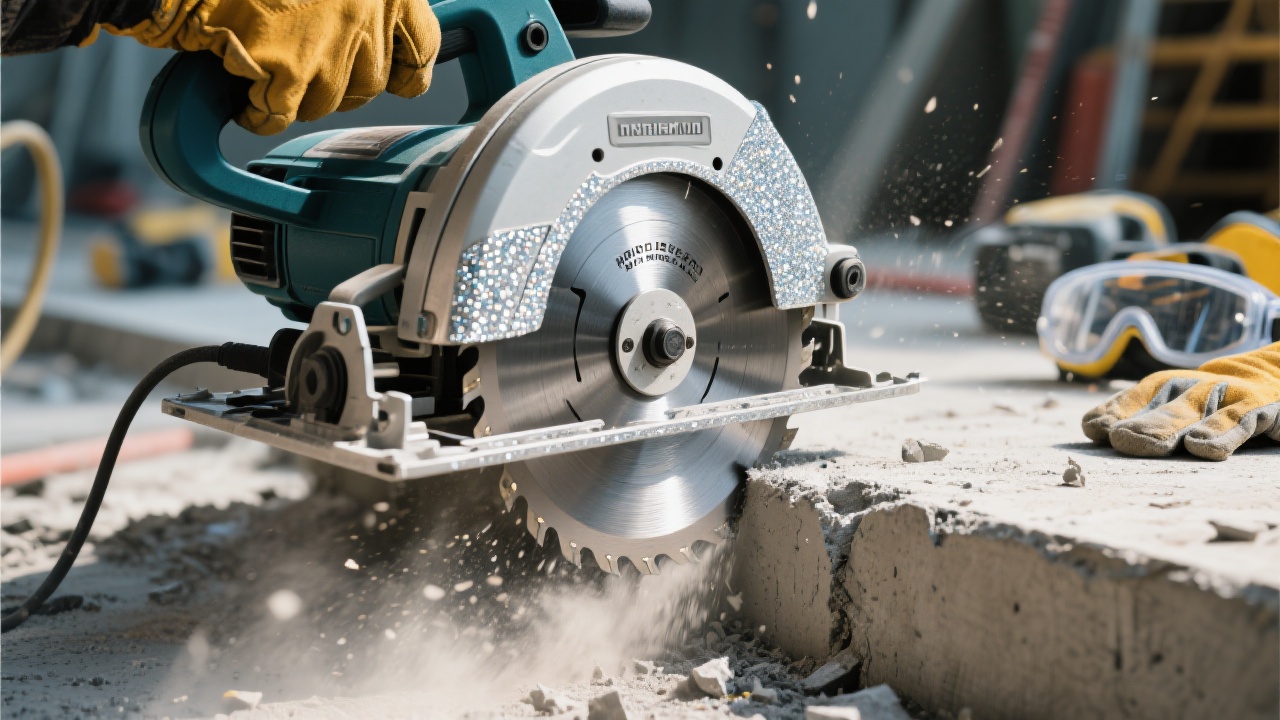
Take the UD 400H Diamond Saw Blade. Its patented cooling structure uses aerodynamic fins that channel airflow like a race car radiator — reducing surface temp by up to 35% compared to standard designs. The material? A high-conductivity tungsten carbide base that pulls heat away from the cutting edge faster than traditional steel blades.
“In our lab tests, the 400H design survived over 1 million cuts without visible thermal degradation — far beyond industry standards.”
— Dr. Lena Chen, Materials Engineering Lead, UD R&D Lab
Many operators assume water cooling is always better. But here's the truth: for dry-cutting applications (like concrete drilling), natural air flow + optimized fin geometry can outperform water systems — especially when clogging or corrosion is a concern. Our field trials showed a 22% longer lifespan with proper airflow setup vs. water-cooled blades in dusty environments.
Still unsure whether your current method is working? Ask yourself: Does your blade feel too hot to touch after 15 minutes of use? If yes — you’re likely losing efficiency, safety, and ROI.
Your blade doesn't just need care — it needs smart care. When you understand how heat affects performance, you stop reacting to problems and start preventing them.
See how the UD 400H Diamond Saw Blade has helped contractors reduce downtime by 40% while boosting precision. Get the full technical specs, test reports, and free sample evaluation today.
Explore the 400H Cooling Advantage →