When it comes to cutting high-strength alloy steel, the difference between a productive day and a frustrating one often comes down to the blade you choose. Metalworking professionals worldwide face the challenge of balancing cutting efficiency, blade longevity, and operational costs—especially when working with materials that can easily wear down conventional tools.
Consider this: A manufacturing plant processing 4140 alloy steel reported replacing resin-bonded blades every 8-10 cuts, resulting in 2-3 blade changes per shift. Each change consumed 15-20 minutes of production time, not counting the material waste from inconsistent cuts. After switching to properly selected welded diamond blades, they reduced blade changes to once every 40-50 cuts, increasing overall productivity by 28% within the first month.
Industry Insight:
According to a 2023 survey by the Metal Cutting Technology Association, 63% of production delays in alloy steel processing can be directly attributed to improper tool selection, costing manufacturers an average of $12,500 per machine annually in downtime and material waste.
High-strength alloy steel—including materials like AISI 4340, 300M, and 15-5PH—presents unique challenges due to its combination of:
These properties directly impact cutting performance. For instance, low thermal conductivity means heat doesn't dissipate quickly, increasing the risk of workpiece warping and blade degradation. A blade designed for general steel may overheat within minutes when cutting high-strength alloys, leading to premature wear or even dangerous blade failure.
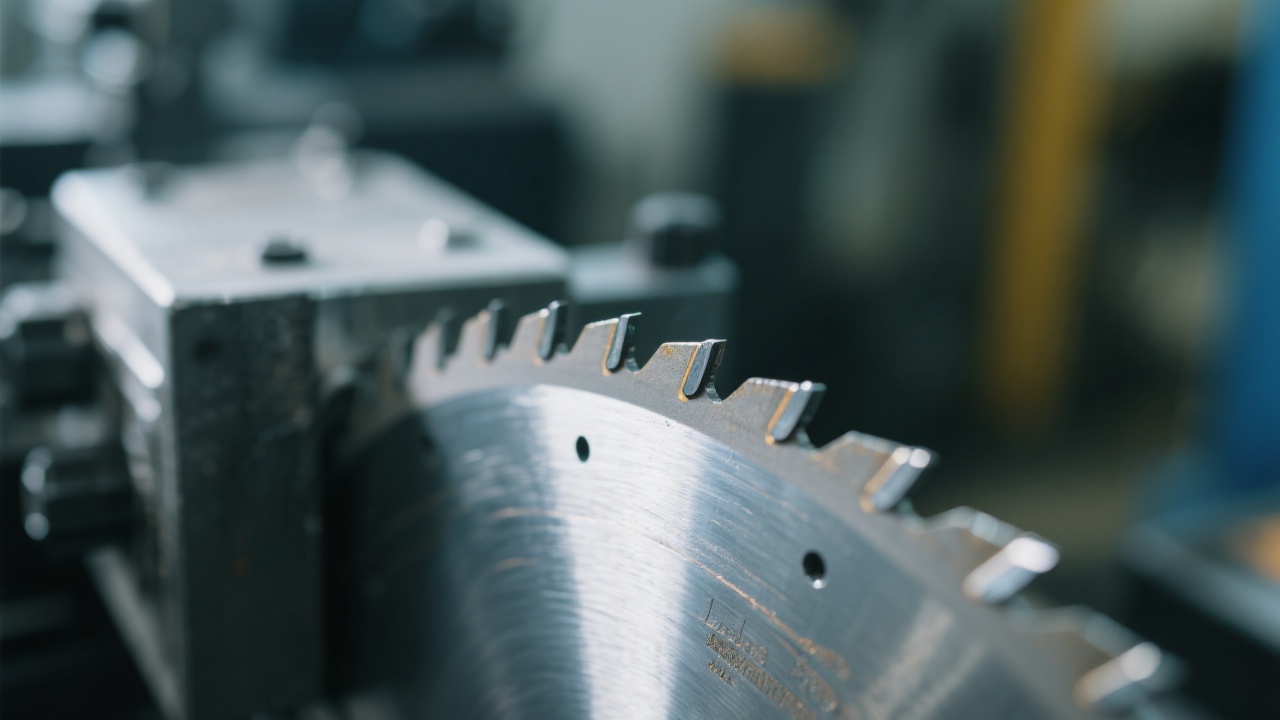
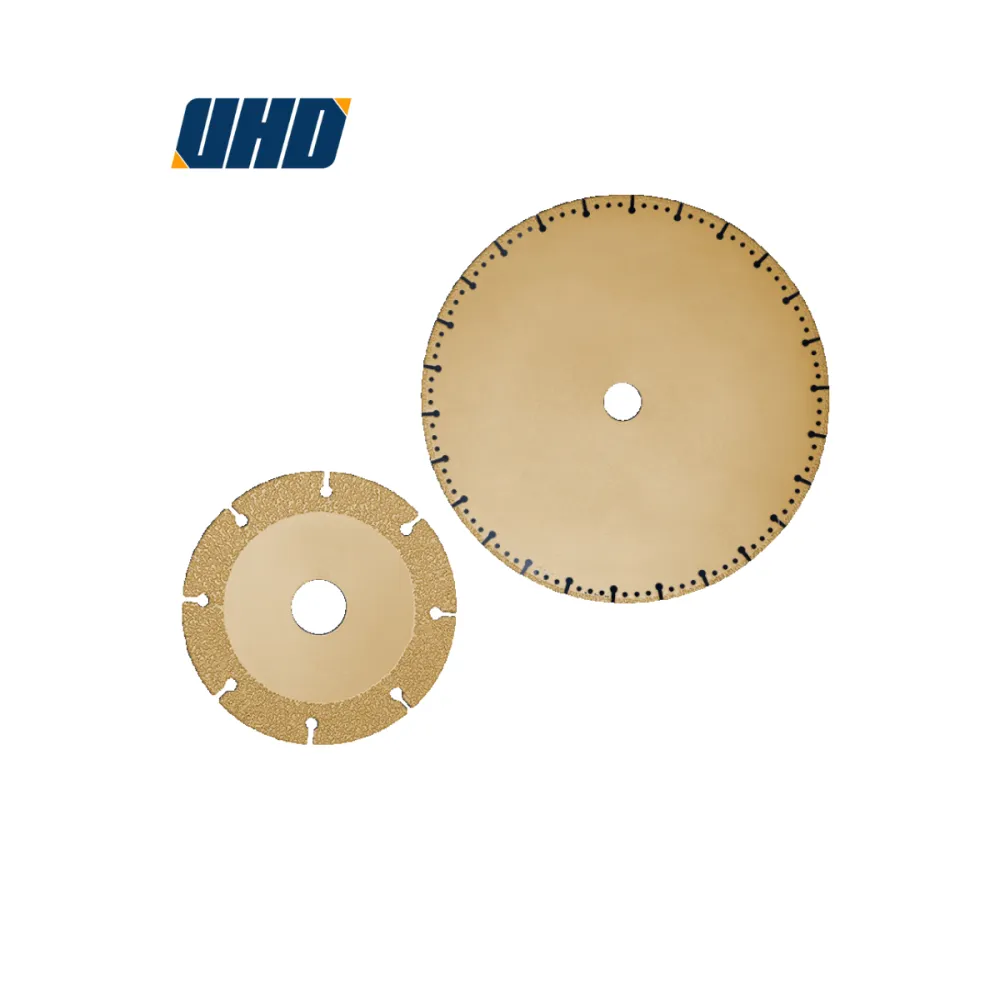
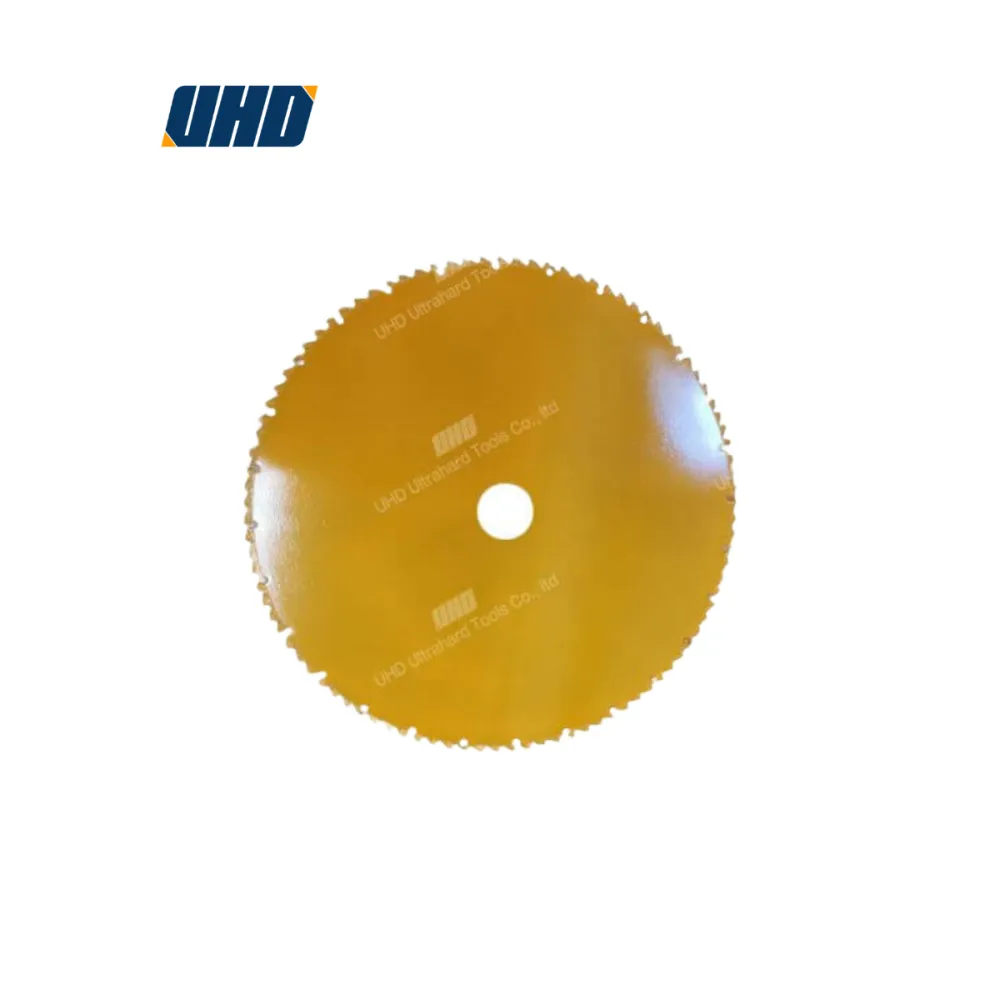
Unlike resin-bonded blades that rely on organic binders, welded diamond blades feature diamond segments fused directly to the steel core through high-temperature brazing or laser welding. This creates a bond strength exceeding 15,000 psi—critical for withstanding the lateral forces generated when cutting tough alloys.
The effectiveness of a welded diamond blade in alloy steel applications depends on three critical design factors working in harmony:
The blade core must balance rigidity and flexibility. High-manganese steel (11-14% manganese content) provides the ideal combination, offering 30% higher fatigue resistance than standard carbon steel cores. This flexibility absorbs shock during cutting while maintaining dimensional stability—essential when working with materials prone to causing vibration.
For high-strength alloys, blade manufacturers typically recommend 30/40 to 50/60 mesh diamond grit. Finer grits (80/100) may produce smoother cuts but wear rapidly on hard materials, while coarser grits (20/30) cut faster but leave rougher finishes. Advanced blades feature gradient grit distribution—finer grits on the outer edges for finish quality and coarser grits at the core for cutting efficiency.
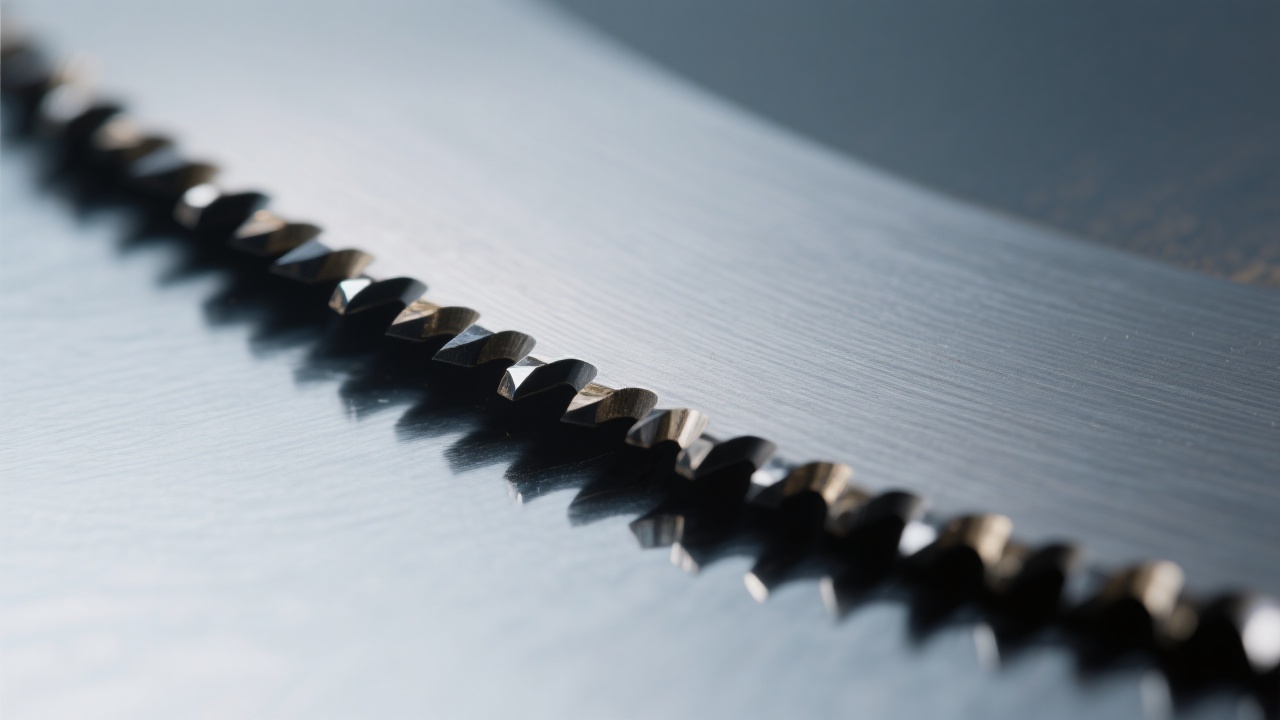
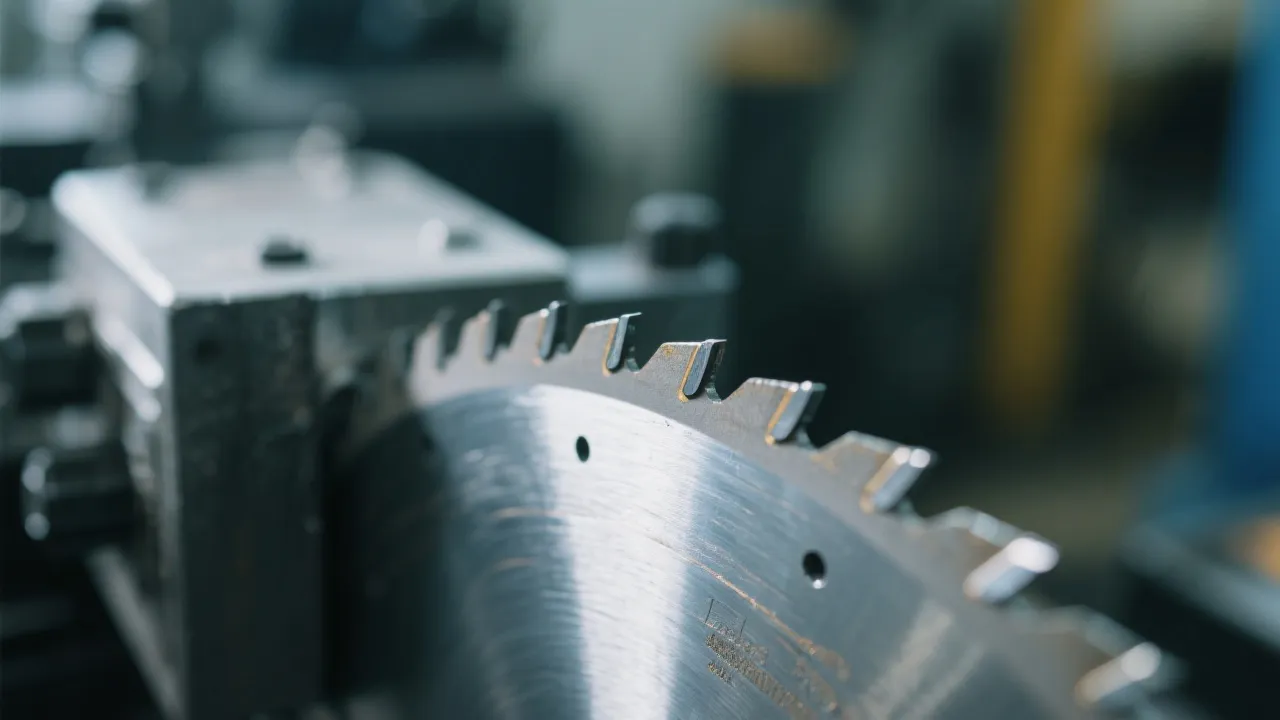
Tooth design directly impacts chip evacuation, heat management, and cutting efficiency. For high-strength alloys, look for blades with:
Selecting the right blade involves a systematic assessment of your specific cutting scenario. Follow this decision process:
Document the alloy type, hardness (HRC value), thickness, and heat treatment status. A blade effective for 4140 steel at 35 HRC may perform poorly on the same alloy hardened to 50 HRC. Thickness also matters—blades for 1" thick material require different specifications than those for 5" stock.
| Alloy Hardness | Recommended Grit | Tooth Design | Optimal Speed (SFPM) |
|---|---|---|---|
| 25-35 HRC | 30/40 | Standard segment | 5,000-6,500 |
| 35-45 HRC | 40/50 | High-performance gullet | 4,000-5,500 |
| 45-55 HRC | 50/60 | Turbo segment | 3,000-4,500 |
| 55+ HRC | 60/80 | Specialized ultra-hard | 2,500-3,500 |
Cooling method, cutting machine type, and production volume also influence blade selection. Wet cutting allows higher speeds and extends blade life by 30-40% compared to dry cutting. High-production environments benefit from premium blades with enhanced diamond concentration (25-35 carats per segment), despite the higher initial cost.
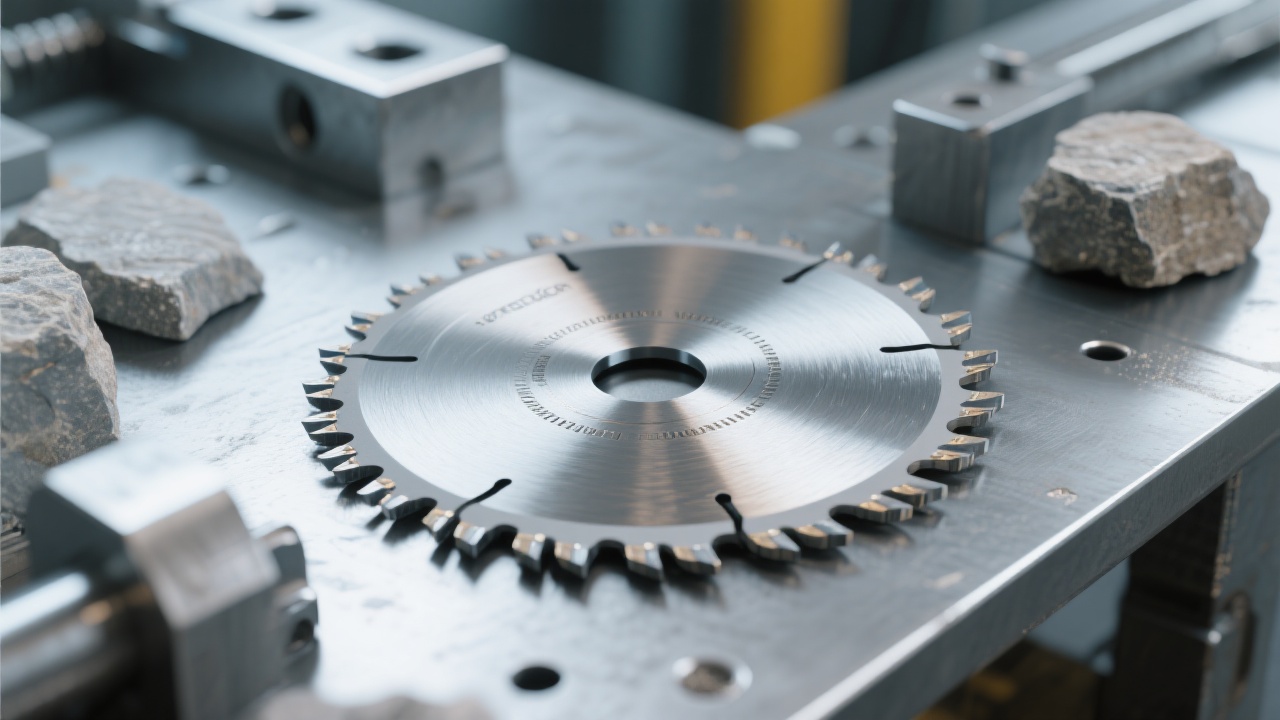
A leading aerospace component manufacturer was struggling with cutting 15-5PH stainless steel (42 HRC) for landing gear components. Their existing resin blades required replacement after only 12-15 cuts, producing excessive burrs requiring secondary finishing. By implementing a welded diamond blade with 40/50 grit, turbo segments, and manganese steel core, they achieved:
Maximize performance and lifespan by properly breaking in new blades. For high-strength alloys, start with a 20% reduced feed rate for the first 5-10 cuts, gradually increasing to optimal speed. This prevents diamond grit from being prematurely pulled out of the bond matrix, especially critical with harder materials.
Our team of metal cutting specialists can help you select the perfect welded diamond blade for your specific application, backed by technical support and performance guarantees.
Get Your Custom Blade Recommendation NowRemember that even the best blade will underperform without proper maintenance. Regularly check for segment wear patterns, maintain appropriate cutting speeds, and ensure your machine is properly calibrated. By combining the right blade selection with sound operating practices, you'll achieve consistent results, reduce costs, and extend tool life in your high-strength alloy steel cutting operations.