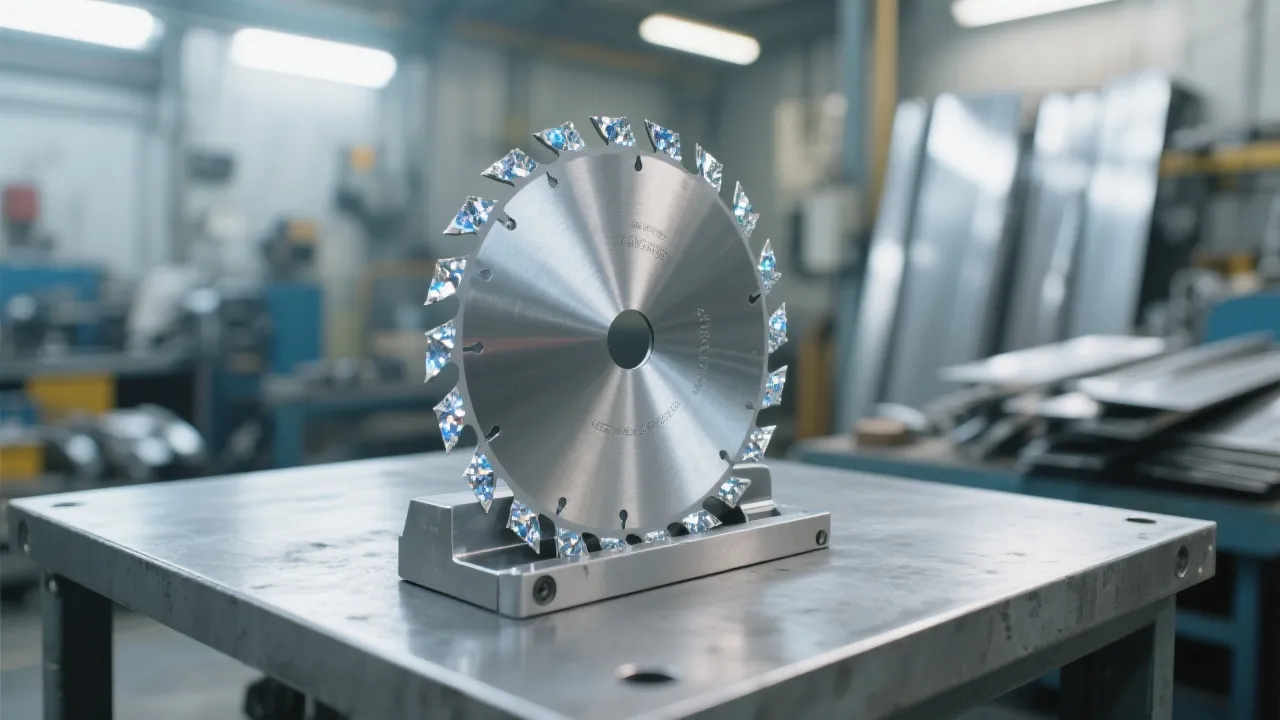
Selecting Large Cutting Machine Brazed Diamond Blades: Accurate Matching for Cutting Materials
25 02,2026
UHD
Purchasing Decisions
This guide provides a comprehensive overview of selecting brazed diamond blades for large cutting machines, focusing on precise blade matching according to cutting materials such as concrete, stone, and tiles. It highlights the technical features and advantages of the 400mm Youde Ultra-Hard Brazed Diamond Blade 400H, guiding users on blade selection criteria and maintenance practices including wear inspection, cooling system upkeep, and cutting environment optimization. Through practical case studies and troubleshooting tips, the article aims to enhance the operational efficiency and lifespan of diamond blades, ensuring safe and effective use for professionals and maintenance technicians.
Comprehensive Guide to Selecting Brazed Diamond Saw Blades for Large Cutting Machines
Choosing the right brazed diamond saw blade is fundamental for optimal performance and longevity of large cutting machines. The blade’s compatibility with the material being cut—whether concrete, natural stone, or ceramic tiles—directly impacts cutting efficiency, operational safety, and equipment wear. This guide demystifies the selection process by examining material-specific demands and highlights the technical advantages of the YOUDE Super-Hard 400H brazed diamond saw blade (400 mm), empowering professionals to make evidence-based purchasing decisions.
The hardness, abrasiveness, and density of the work material dictate the blade characteristics required for clean, precise cuts:
Concrete: Highly abrasive and dense; demands blades with robust diamond concentration and aggressive grinding segments for durability.
Natural Stone (granite, marble): Requires blades with balanced hardness and flexibility to avoid chipping and overcutting.
Ceramic Tiles: Fragile and brittle; cutting blades must prioritize sharpness and reduce heat generation.
Failure to use material-matched blades results in excessive wear, diminished cutting speed, and higher operational costs.
Technical Overview of the YOUDE Super-Hard 400H Blade
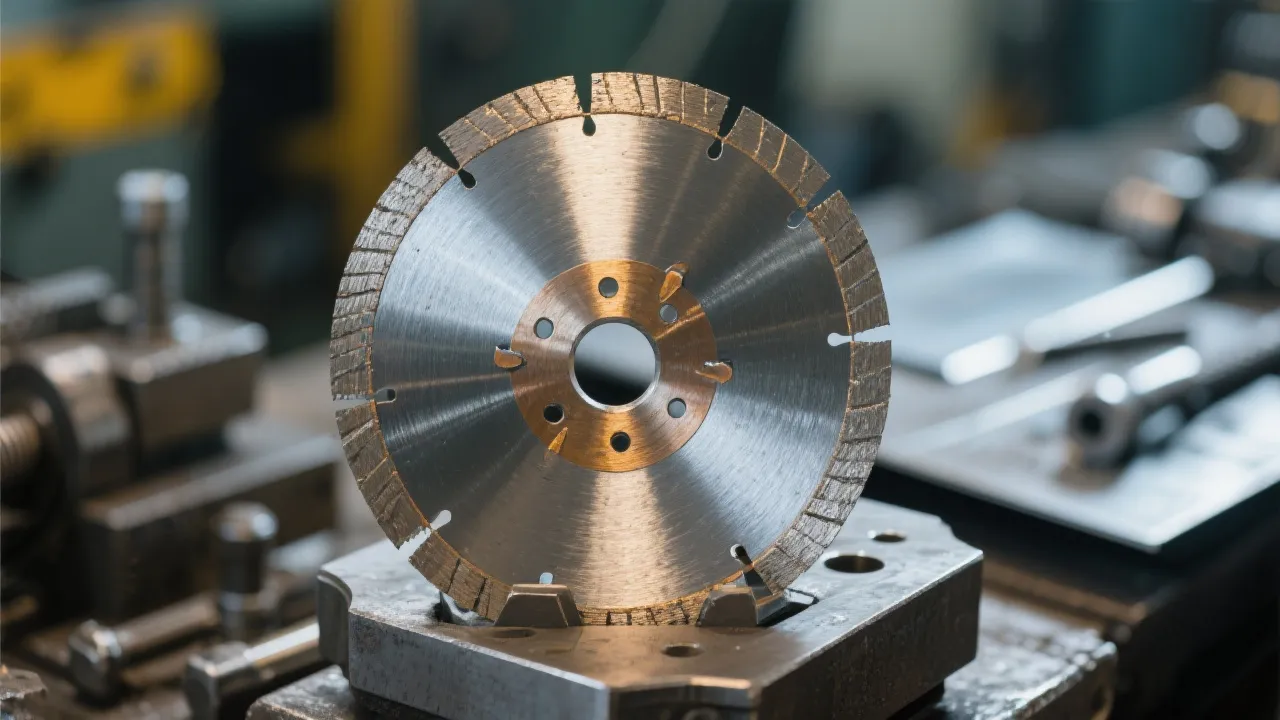
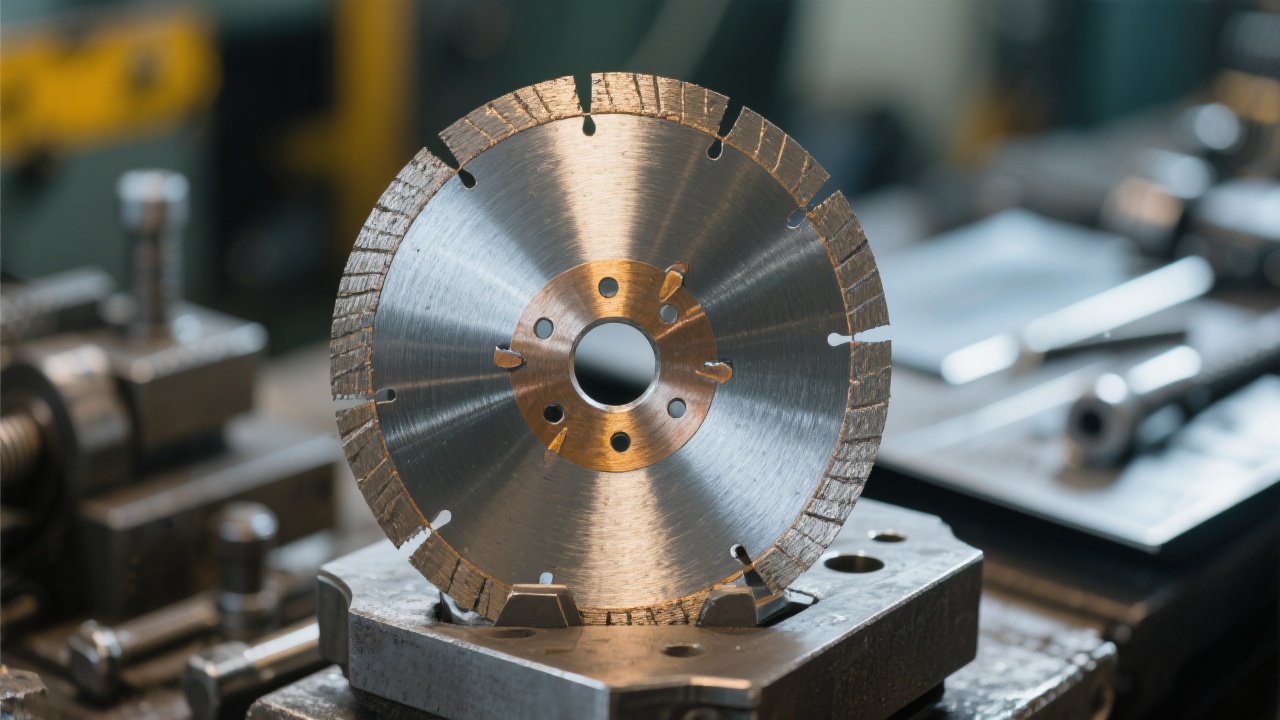
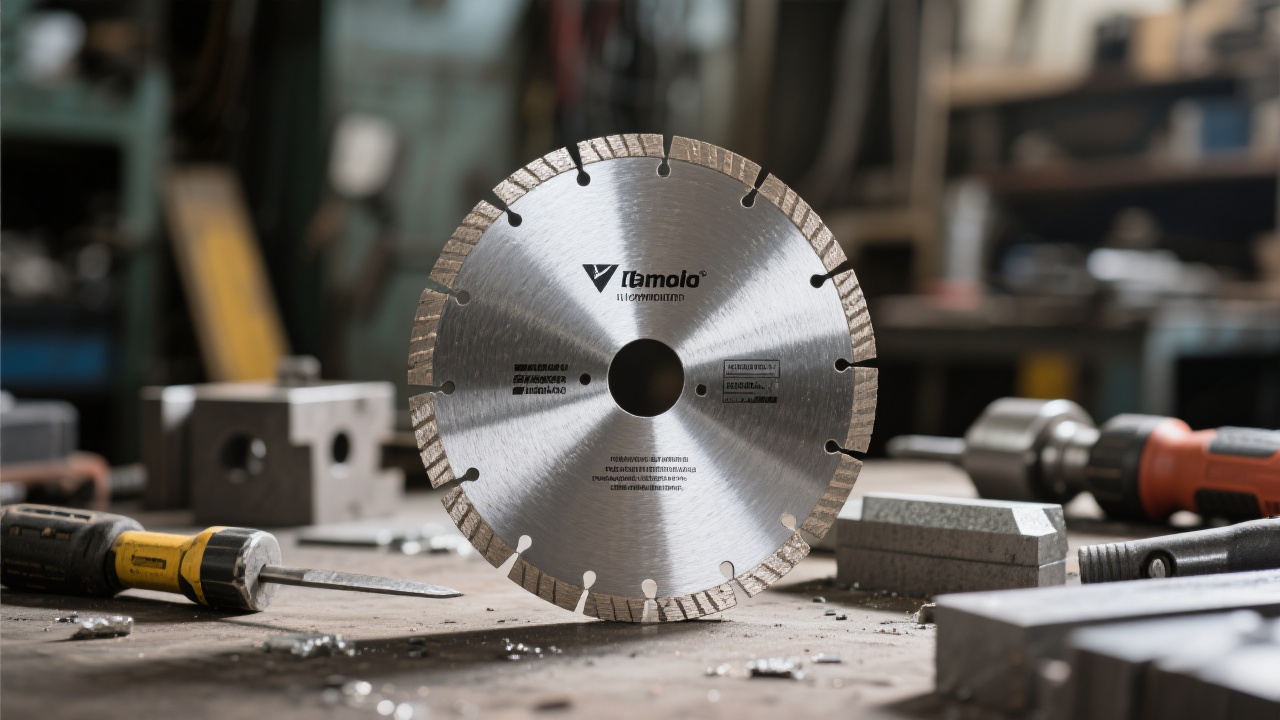
The YOUDE Super-Hard 400H brazed diamond saw blade exemplifies cutting-edge engineering designed to meet these challenging requirements. Key features include:
Specification
Details
Diameter
400 mm
Segment Type
Electroplated brazed diamond segments
Diamond Concentration
High-density super-hard grade
Recommended Materials
Concrete, hard stone, ceramics
Heat Dissipation
Integrated segment cooling grooves for efficient heat reduction
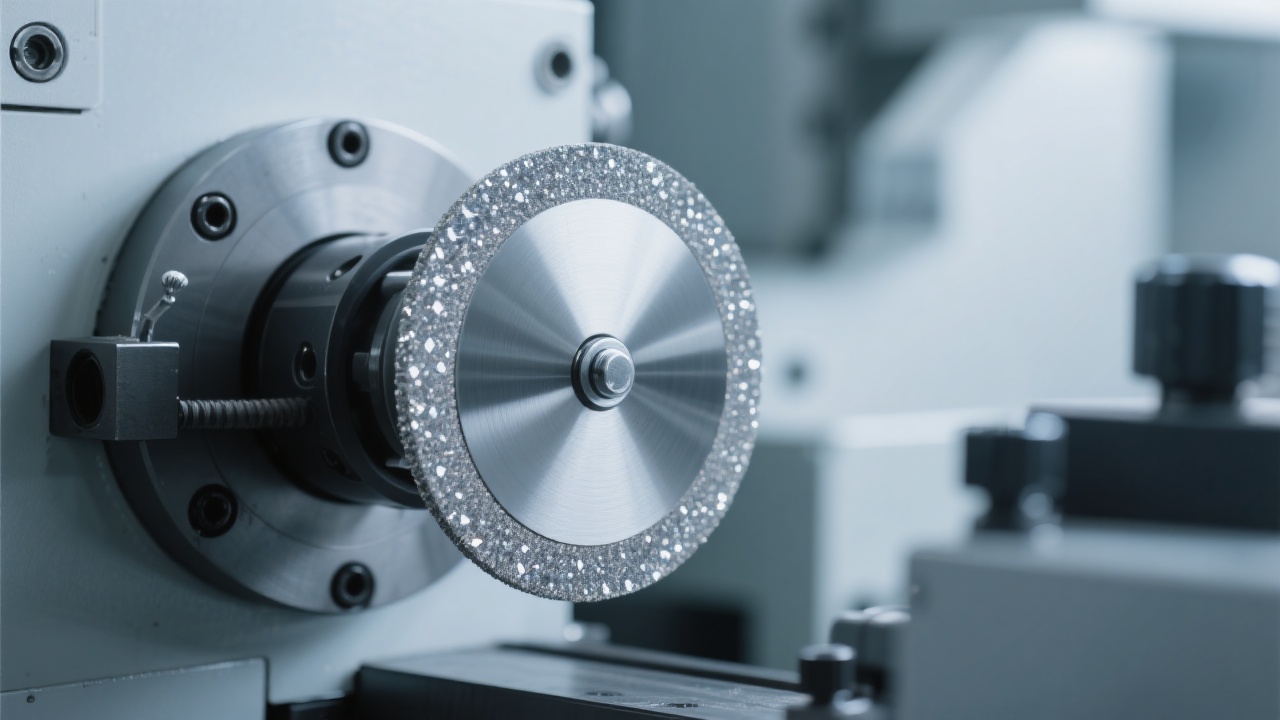
Its advanced brazing technology ensures enduring bond strength, mitigating segment shedding risk and enabling safer, higher-speed cuts up to 6000 RPM.
Maintenance Best Practices for Prolonged Blade Life
Routine care significantly extends blade lifespan and maintains optimal cutting performance. Key maintenance actions include:
Wear Monitoring: Inspect diamond segments weekly for uniform wear patterns. Irregular wear indicates possible misalignment or unsuitable material choice.
Segment Cooling System upkeep: Clean cooling grooves and check for debris accumulation after every 20 operating hours to prevent overheating and blade warping.
Cutting Environment Optimization: Maintain proper water cooling or dust extraction systems to minimize thermal stress and dust inhalation risks.
Case Study: Enhancing Efficiency with YOUDE 400H in a Construction Project
At a large-scale urban infrastructure site, operators switched from conventional abrasive blades to the YOUDE 400H. The results within the first month revealed:
42% increase in cutting speed for reinforced concrete sections.
35% reduction in blade replacement frequency, cutting maintenance downtime.
Improved cut precision, minimizing rework and material waste.
Field technicians also highlighted the blade’s resilience to heat build-up due to its optimized cooling design, substantially enhancing operator safety.
Interactive Insights: Are You Choosing the Right Blade?
Consider the following questions to align your blade purchase with operational needs:
What are the primary materials in your cutting applications?
Does your existing blade meet desired lifespans and cut quality?
How often is the equipment maintenance scheduled, particularly regarding blade cooling and wear checks?
Is the blade compatible with your cutting machine’s RPM and feed rate parameters?