In the competitive stone processing industry, achieving precise, clean cuts while maintaining productivity and meeting environmental standards has become a critical challenge for fabricators worldwide. Recent industry surveys indicate that poor cutting quality results in material waste exceeding 15% in average operations, with毛刺-related rework accounting for nearly 22% of production delays.
Stone fabricators face a trifecta of challenges that directly impact their bottom line: excessive burr formation, hazardous dust levels, and inefficient cutting processes. According to the Marble Institute of America, a typical granite countertop fabrication operation loses approximately $4,200 monthly due to毛刺-related issues alone, including material waste, rework time, and tool replacement.
Industry Insight: "Excessive burrs on stone edges not only compromise aesthetic quality but also increase installation time by up to 30%. Our clients consistently rank 'edge quality' as the top factor in vendor selection," notes Michael Chen, Technical Director at Global Stone Solutions, a leading architectural firm.
Beyond quality concerns, dust emission remains a significant occupational health hazard. OSHA standards limit respirable crystalline silica exposure to 50 micrograms per cubic meter of air over an 8-hour shift – a threshold frequently exceeded in conventional cutting operations without proper dust suppression.
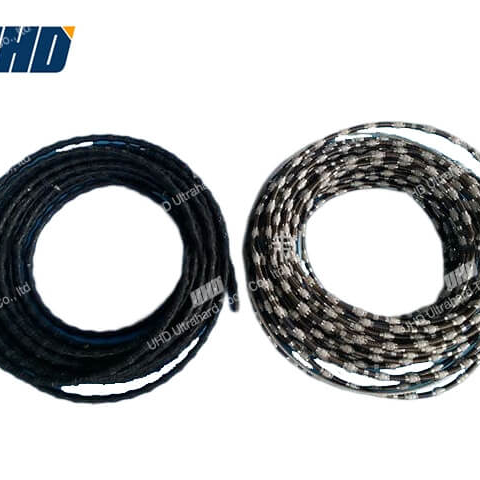
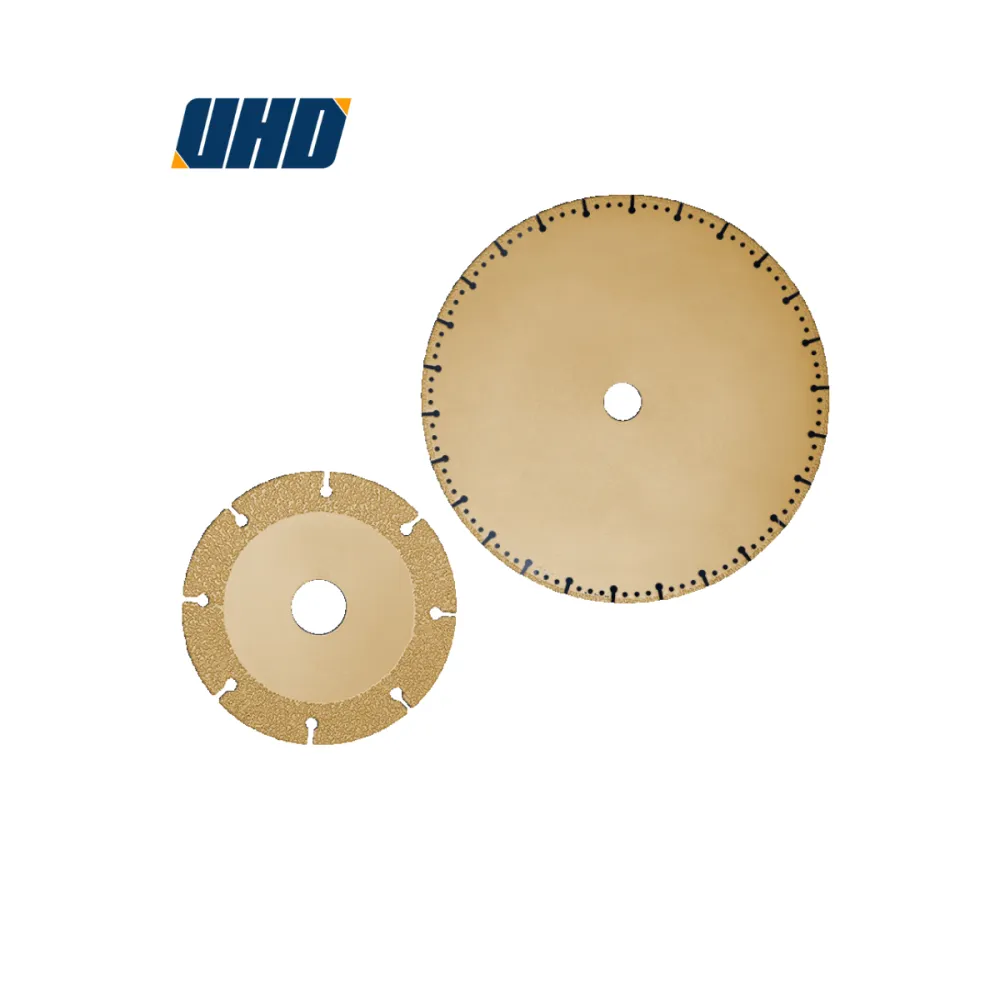
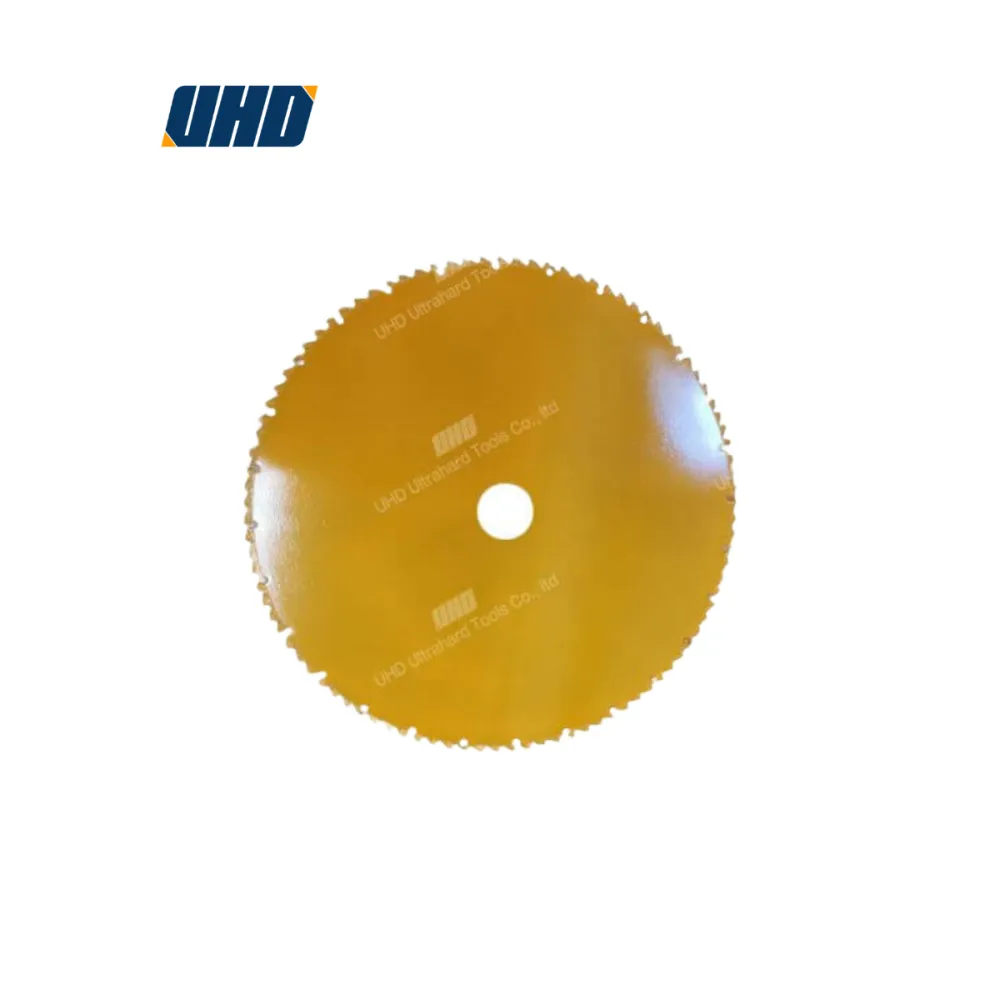
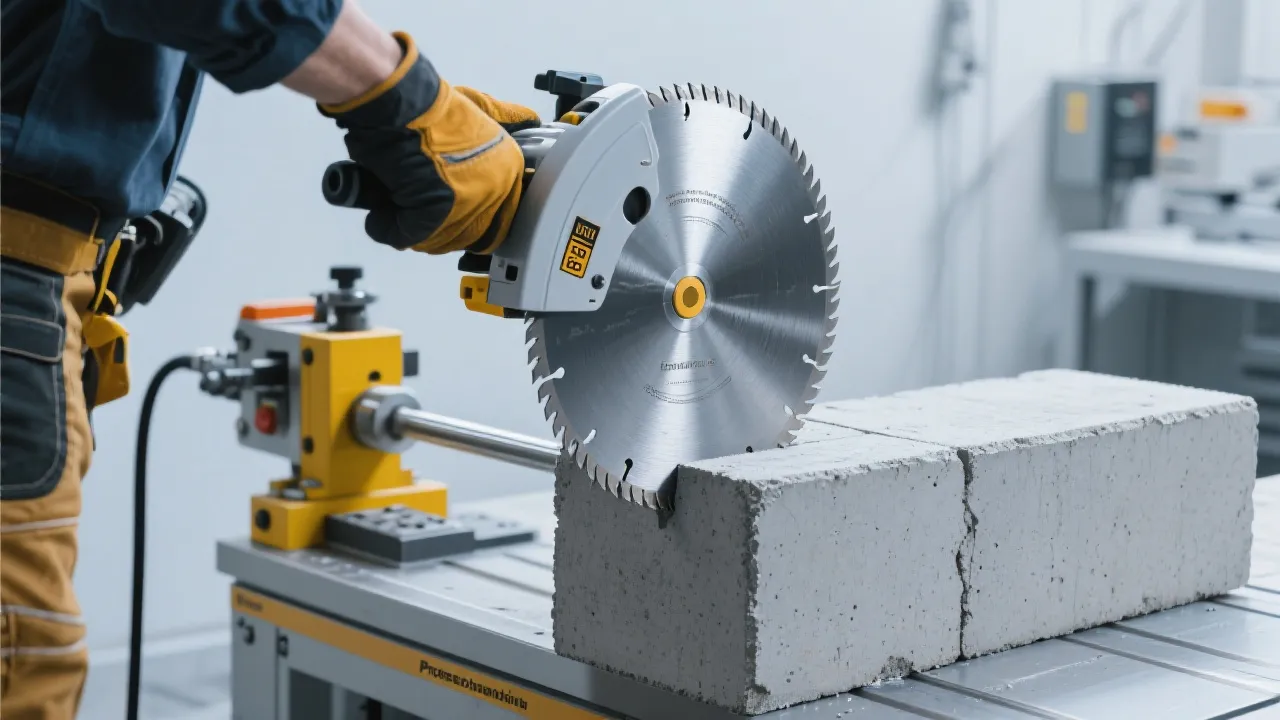
Modern welded diamond saw blades represent a significant advancement in cutting technology, featuring precisely engineered cutting edges that minimize burr formation. The secret lies in the proprietary arrangement of diamond particles – spaced at optimal 0.8mm intervals – combined with a unique heat-treated bond matrix that maintains consistent cutting pressure across the blade surface.
This precision engineering results in a cutting action that slices through stone with minimal lateral force, reducing the micro-fracturing that causes burrs. Independent testing has shown that properly designed diamond blades can reduce burr formation by up to 87% compared to conventional abrasive tools.
The foundation of any high-performance saw blade is its steel core. Premium blades utilize high-manganese steel substrates with a Rockwell hardness rating of 42-45 HRC, providing the ideal balance of flexibility and rigidity. This construction dampens vibration by up to 35% during cutting operations, further reducing the potential for burr formation and improving overall cut quality.
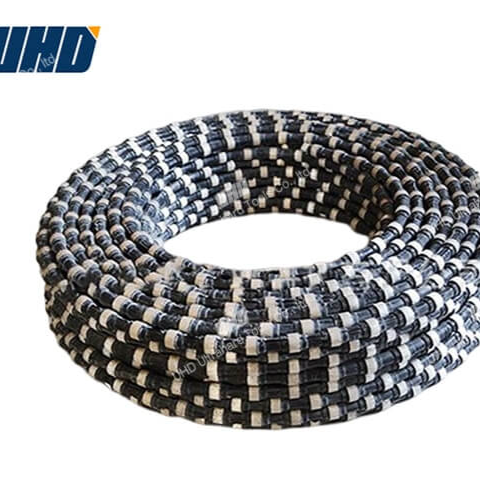
A one-size-fits-all approach to stone cutting simply doesn't work. Different stone types require specific parameter settings to achieve optimal results. The following guidelines have been developed through extensive testing with leading stone fabricators:
| Stone Type | Optimal Speed (RPM) | Feed Rate (mm/min) | Coolant Flow Rate (L/min) |
|---|---|---|---|
| Granite (Hard) | 2800-3200 | 1500-2000 | 15-20 |
| Marble (Medium) | 3200-3600 | 2500-3000 | 10-15 |
| Limestone (Soft) | 3600-4000 | 3000-3500 | 8-12 |
Granite's crystalline structure and hardness (6-7 on Mohs scale) demand a careful balance of speed and feed rate. Operating at too high a feed rate can cause excessive blade wear and increased burr formation, while overly slow speeds generate excessive heat buildup. The optimal approach involves starting with a slightly reduced feed rate (1500 mm/min) when beginning a cut, gradually increasing to the target rate once the blade has established a groove.
Marble presents a different challenge with its softer, more homogeneous structure (3-4 on Mohs scale) that is prone to chipping rather than burring. Here, higher blade speeds combined with a more aggressive feed rate yields the best results. Many experienced operators recommend a 5-10% reduction in coolant flow for marble compared to granite, as excessive cooling can sometimes contribute to edge chipping.
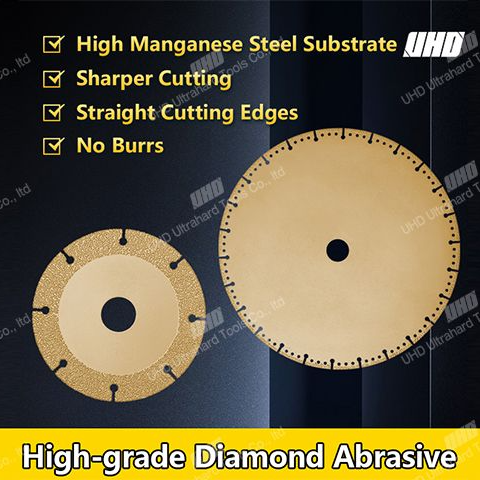
Even with the best equipment, proper technique remains crucial for achieving optimal results. Based on interviews with over 50 master stone fabricators, we've identified several key practices that consistently deliver superior outcomes:
John Reynolds, production manager at StoneMasters Inc., shared his experience implementing these techniques: "After adjusting our parameters and improving our clamping system, we've reduced rework by 62% and extended blade life by nearly 40%. The difference in edge quality is immediately apparent to our customers."
Download our comprehensive Stone Cutting Optimization Guide and discover how precision diamond saw technology can reduce waste, improve quality, and boost your bottom line.
Get Your Free Guide NowEnvironmental compliance has also become a significant factor in today's stone fabrication industry. With increasingly strict regulations on dust emissions in regions like the EU and California, investing in low-dust cutting technology isn't just a quality improvement—it's a business necessity. Modern diamond saw systems with integrated dust collection can reduce airborne particulate by up to 92%, helping operations meet even the most stringent regulatory requirements.
As the stone processing industry continues to evolve, the adoption of advanced cutting technologies and techniques separates industry leaders from the competition. By focusing on precision equipment, optimized parameters, and proper technique, fabricators can achieve unprecedented levels of quality, efficiency, and sustainability in their operations.