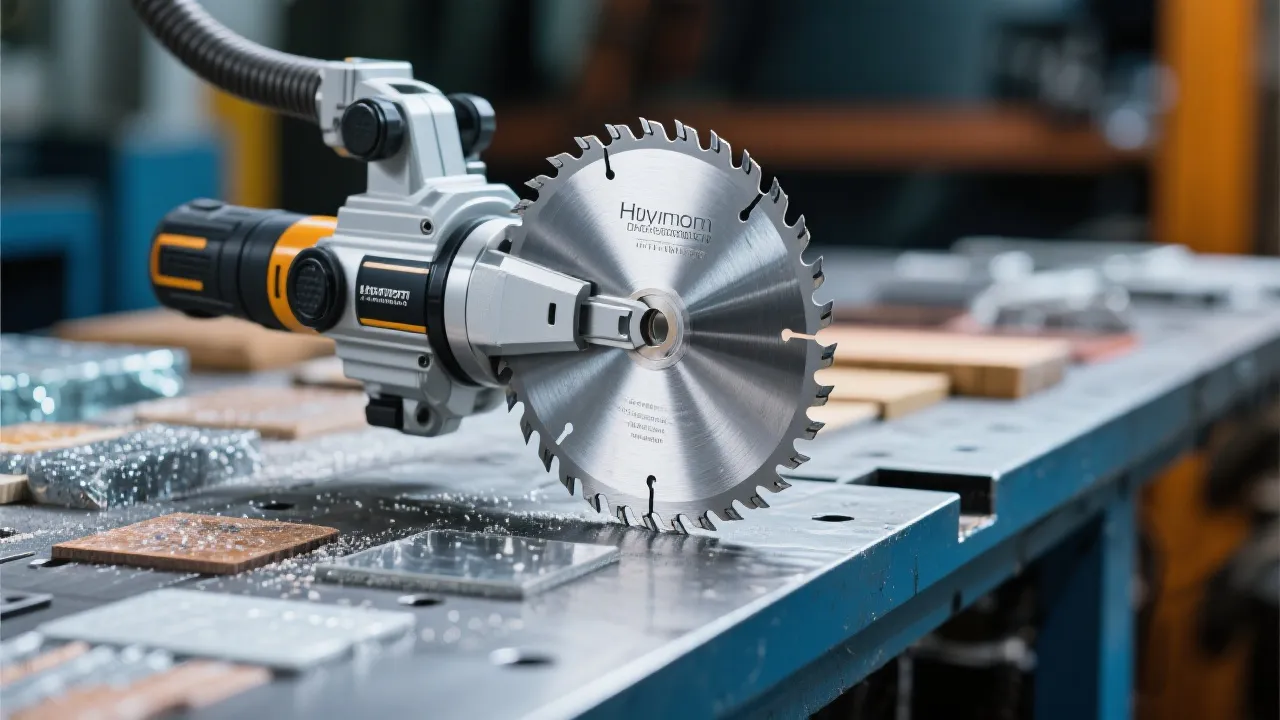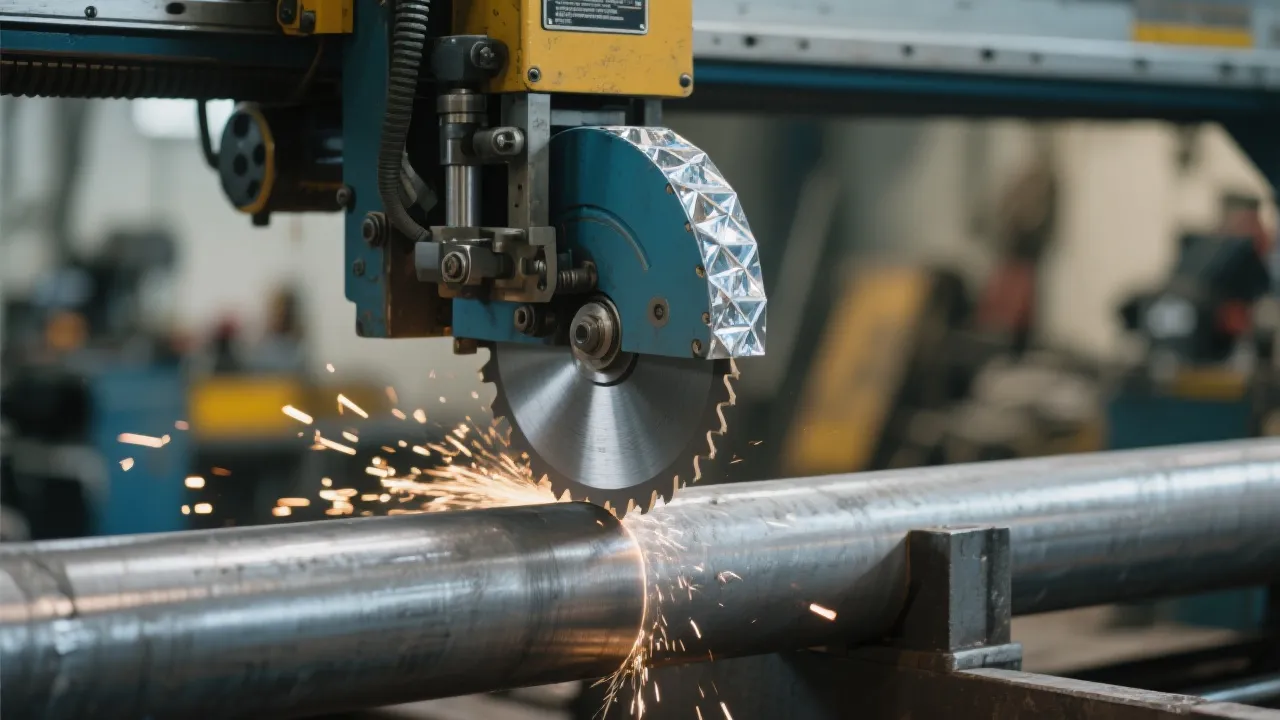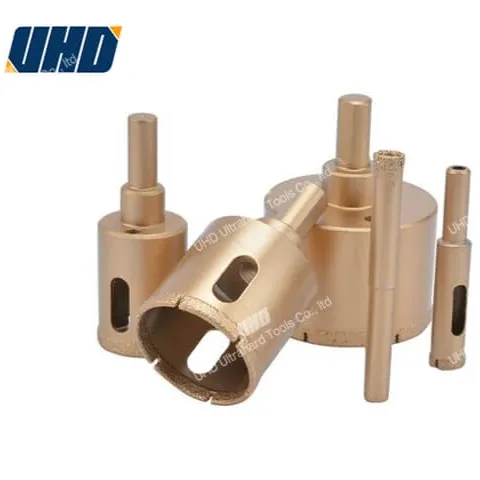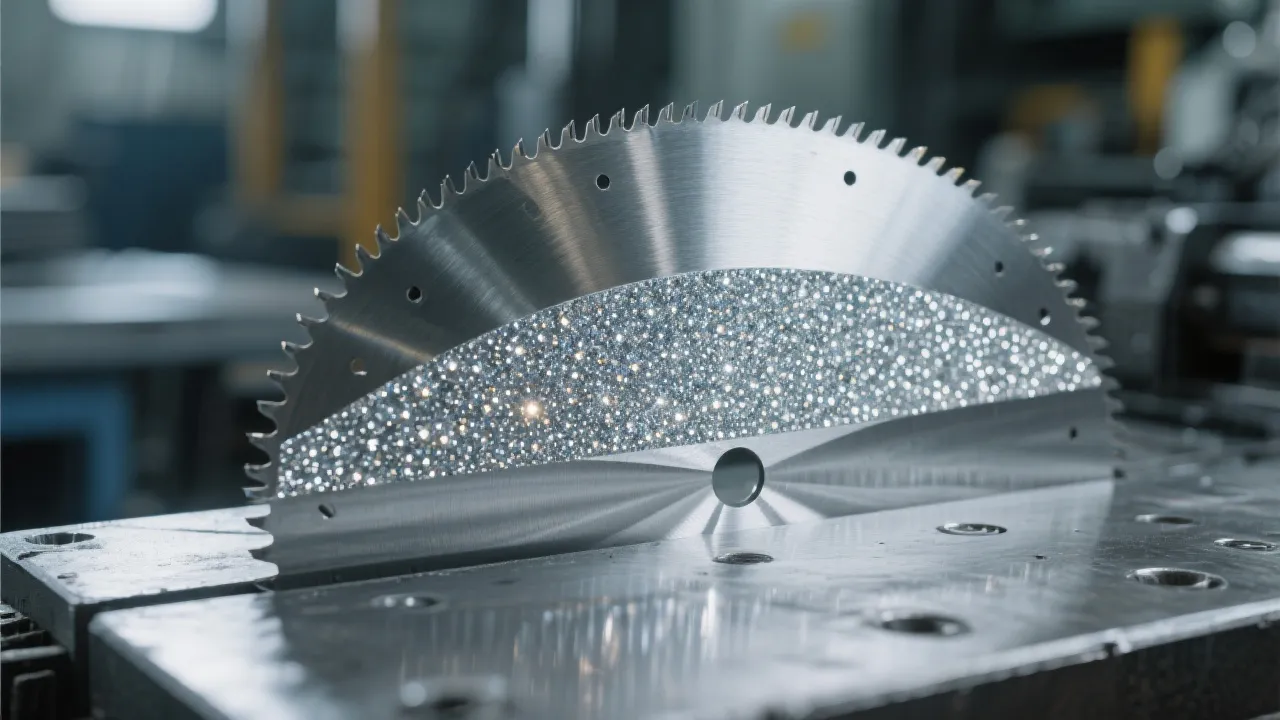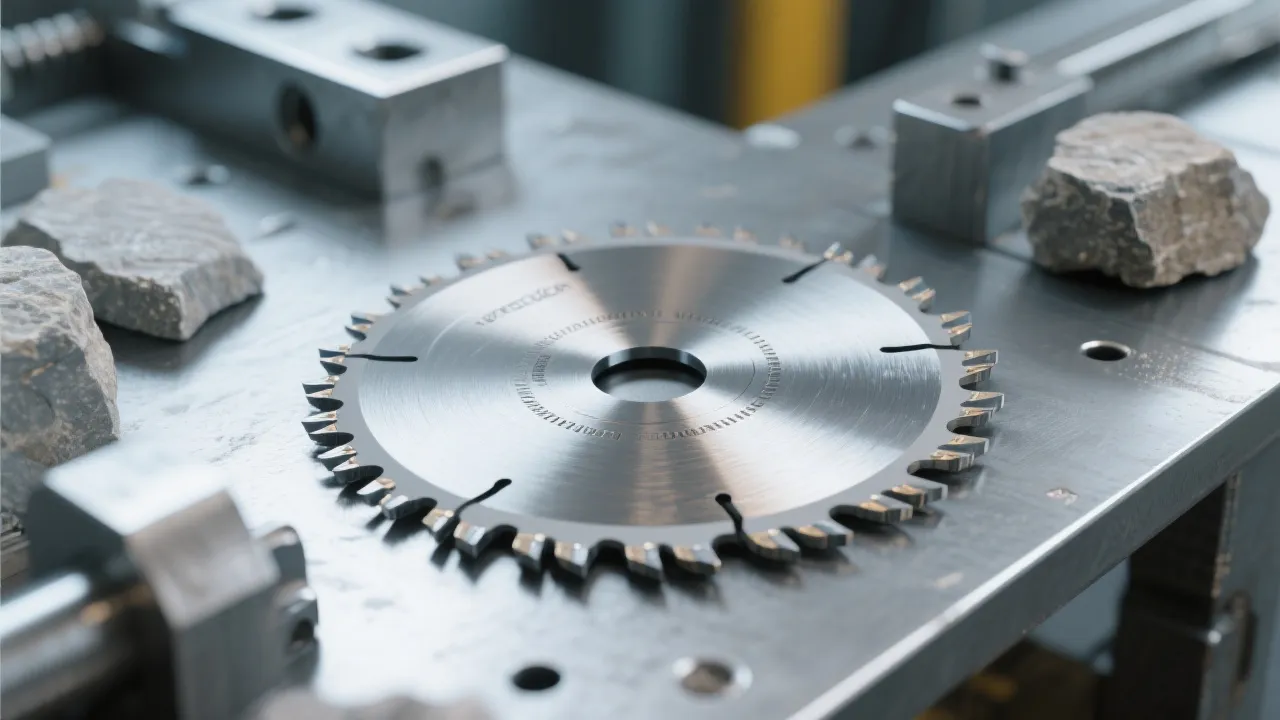
In tile cutting, precision and efficiency are paramount. However, many professionals and DIY enthusiasts encounter frustrating issues such as chipping, cracking, or slow cutting progress due to some recurring errors. In this guide, you will learn about the five most common tile cutting mistakes, understand the underlying causes, and discover practical solutions leveraging UHD’s advanced Super Hard Diamond Saw Blade 400H. Let’s help you make every tile flawless with durable, professional-grade tools and techniques.
You may instinctively press harder to speed up the cut, but this triggers concentrated thermal and mechanical stress. Excess pressure often causes chip edges or micro-cracks that propagate during installation. The intense force can accelerate diamond particle shedding from the blade, reducing both its lifespan and cutting quality.
“Patience and the right amount of pressure are the cornerstones of precision tile cutting.” – Industry Expert Tip
Using an inappropriate saw blade speed or feed rate disrupts the cutting equilibrium. Too slow speed leads to overheating and glazing of diamond edges, while too fast speed causes blade vibration and uneven cuts. Optimizing speed within a recommended range of 3000-3500 RPM for standard ceramic tiles and adjusting feed rate accordingly minimizes thermal stress and material damage.
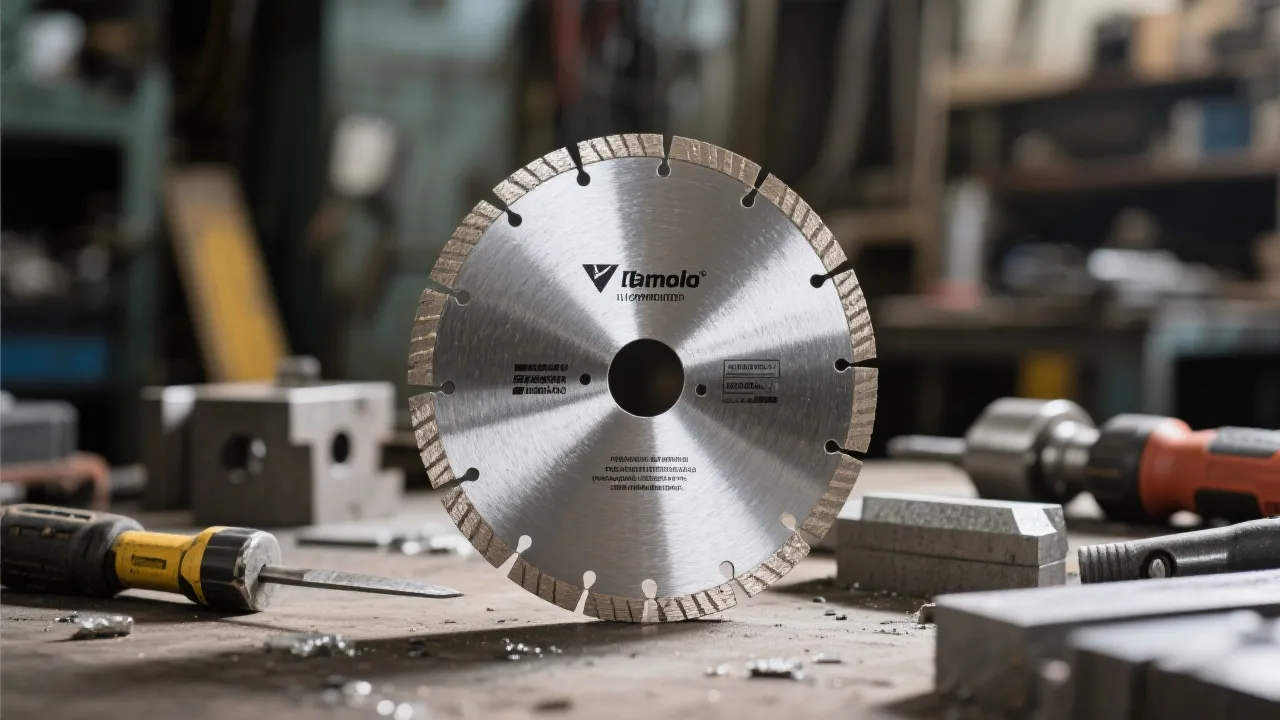
Inferior blades often have poor bonding methods and uneven diamond distribution, leading to quick wear and breakage. UHD’s Super Hard Diamond Saw Blade 400H features a robust high-strength brazing (钎焊) technology that securely fuses diamond segments to the steel core, ensuring durability even under heavy-duty cutting.
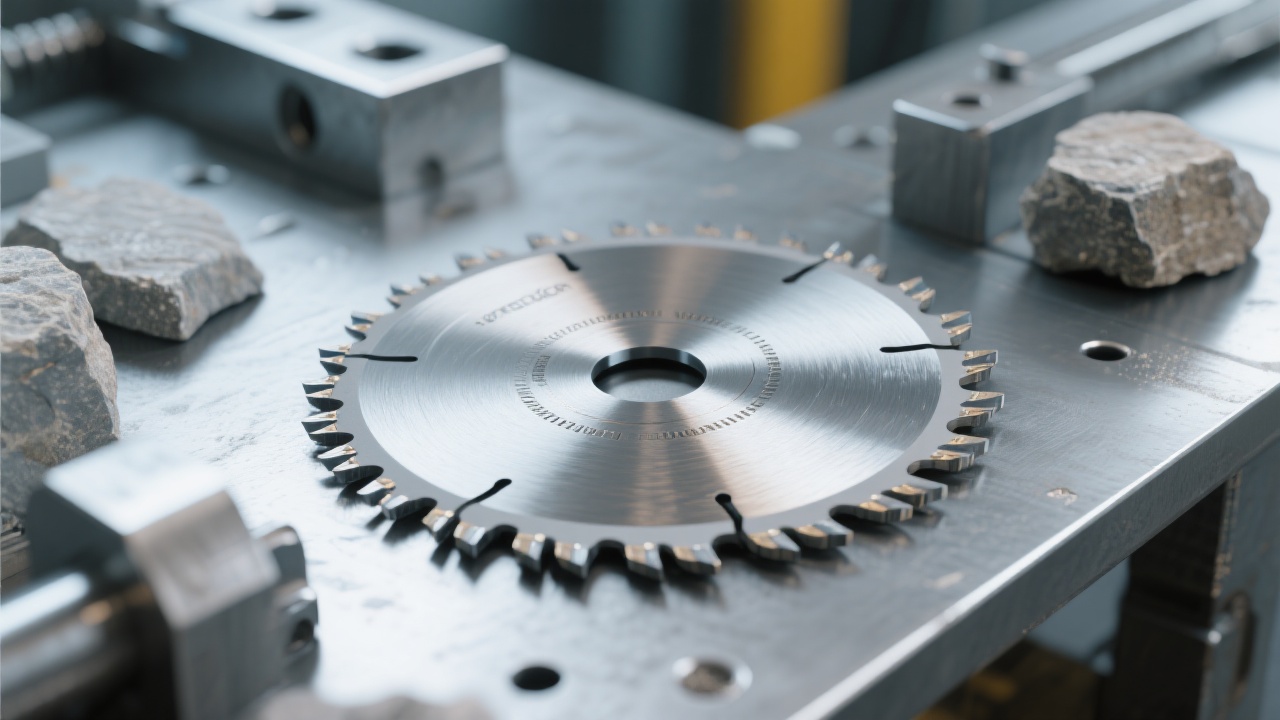
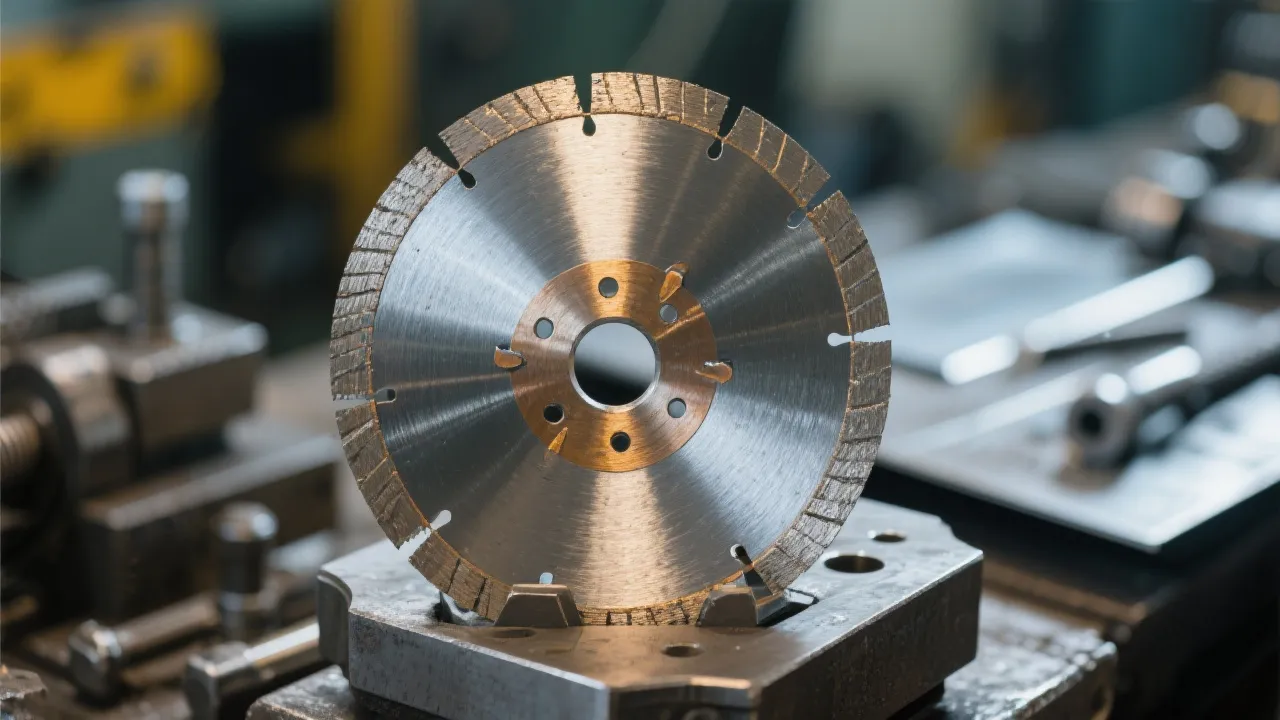
Heat buildup during cutting causes blade warping, diamond loss, and tile cracking. Many skip water cooling or adequate ventilation, which increases downtime and lowers cutting precision. UHD’s 400H blade integrates an optimized heat dissipation structure — including specialized cooling fins that enhance airflow and minimize temperature spikes — extending blade life and improving cut quality.
Tile thickness, hardness, and texture differ widely, requiring tailored blade parameters. For example, thicker or harder tiles require slower feed speeds and sometimes wet cutting to prevent micro-cracking. Vibrant or textured surfaces may need diamond blades with finer grit sizes. Knowing your tile characteristics and adjusting RPM and feed accordingly optimizes cutting accuracy and material savings.
| Tile Type | Suggested Blade Speed (RPM) | Optimal Feed Rate (mm/s) | Cutting Method |
|---|---|---|---|
| Standard Ceramic (6-10mm) | 3200-3500 | 3-5 | Dry/Wet |
| Porcelain (≥10mm) | 2800-3200 | 2-4 | Wet (Preferred) |
| Natural Stone | 2500-3000 | 2-3 | Wet Only |
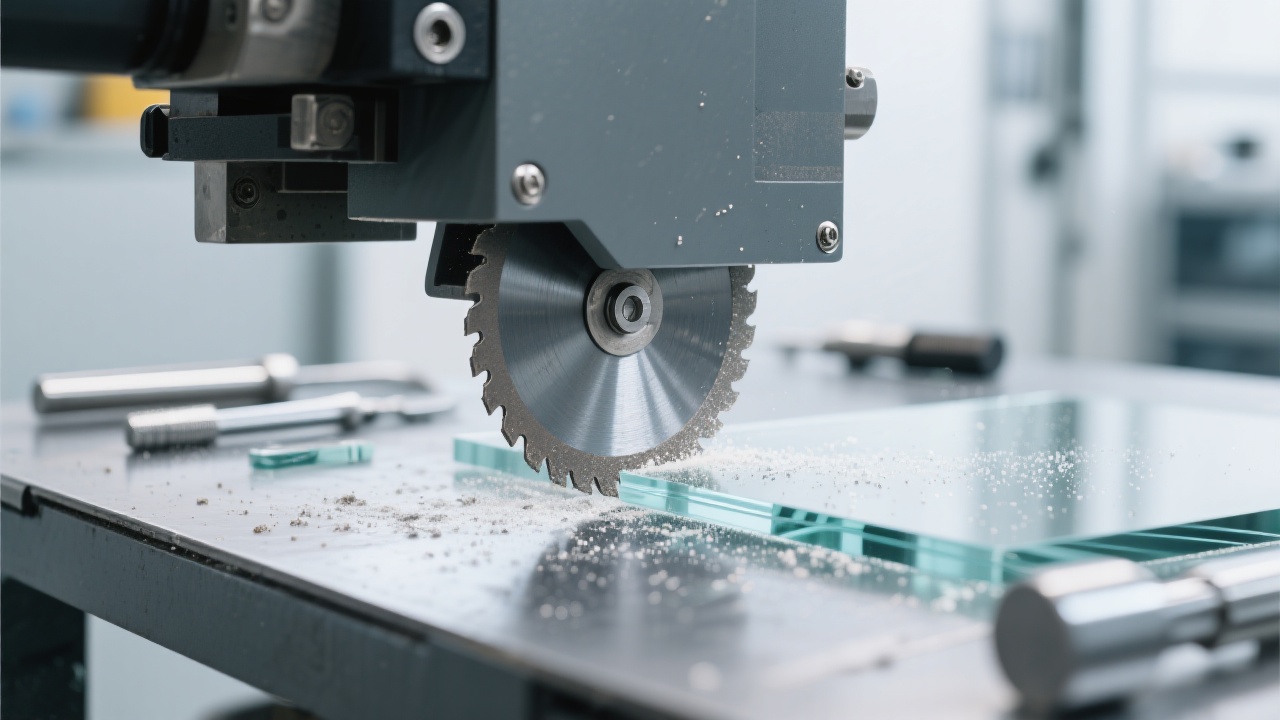
To ensure consistent and efficient tile cutting, follow this simple yet effective workflow:
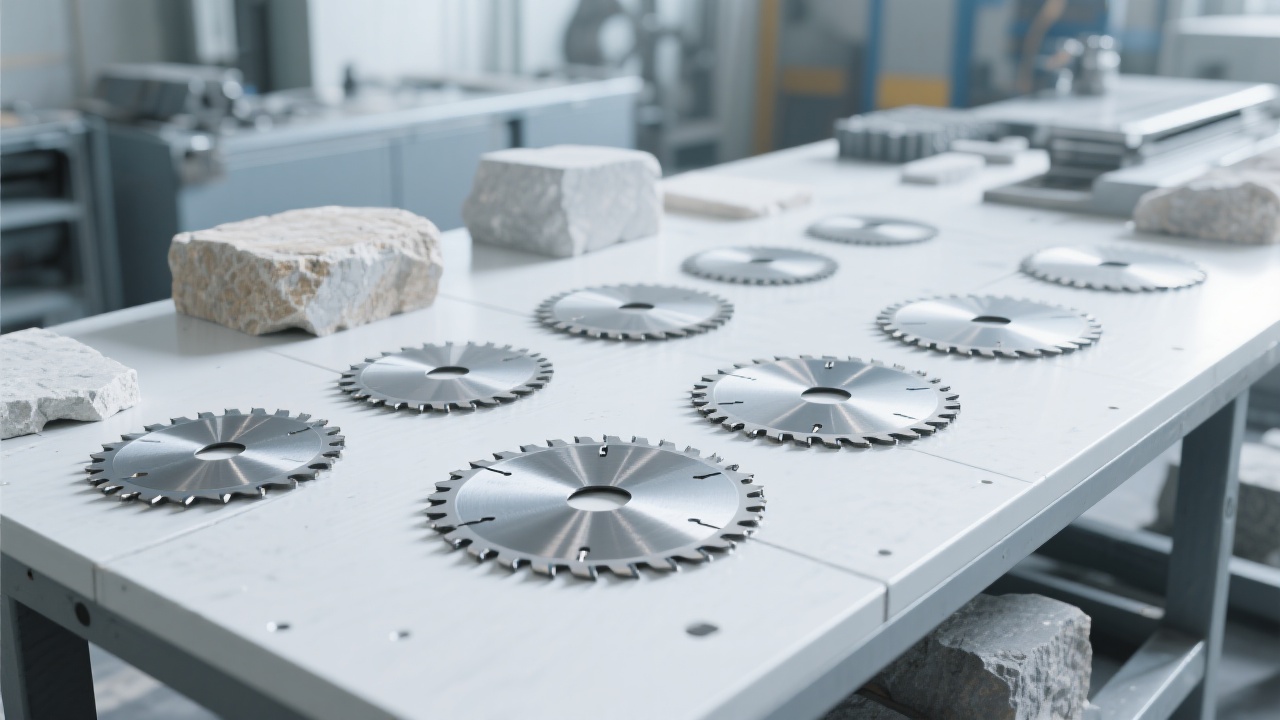
Does your blade often chip or lose diamonds during cutting? It’s time to upgrade with UHD – where ‘durability is the real strength’ and every tile is cut to perfection.