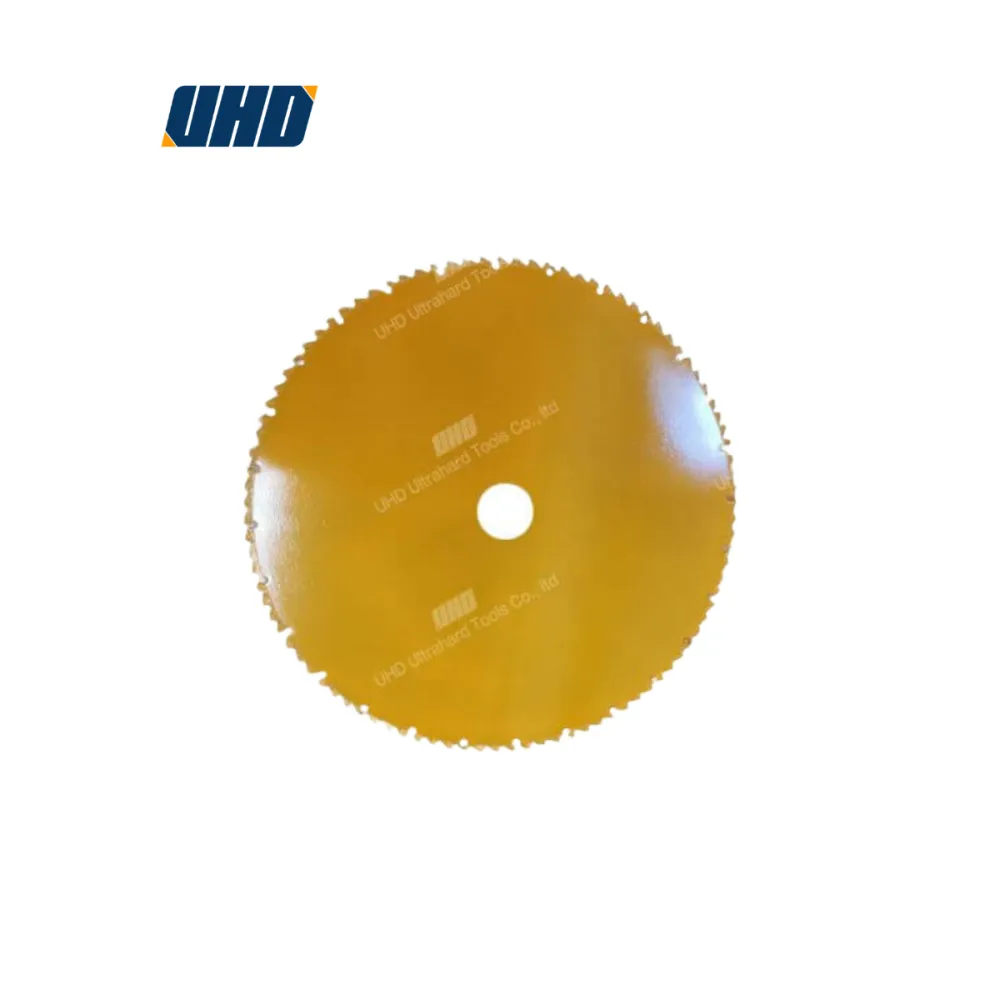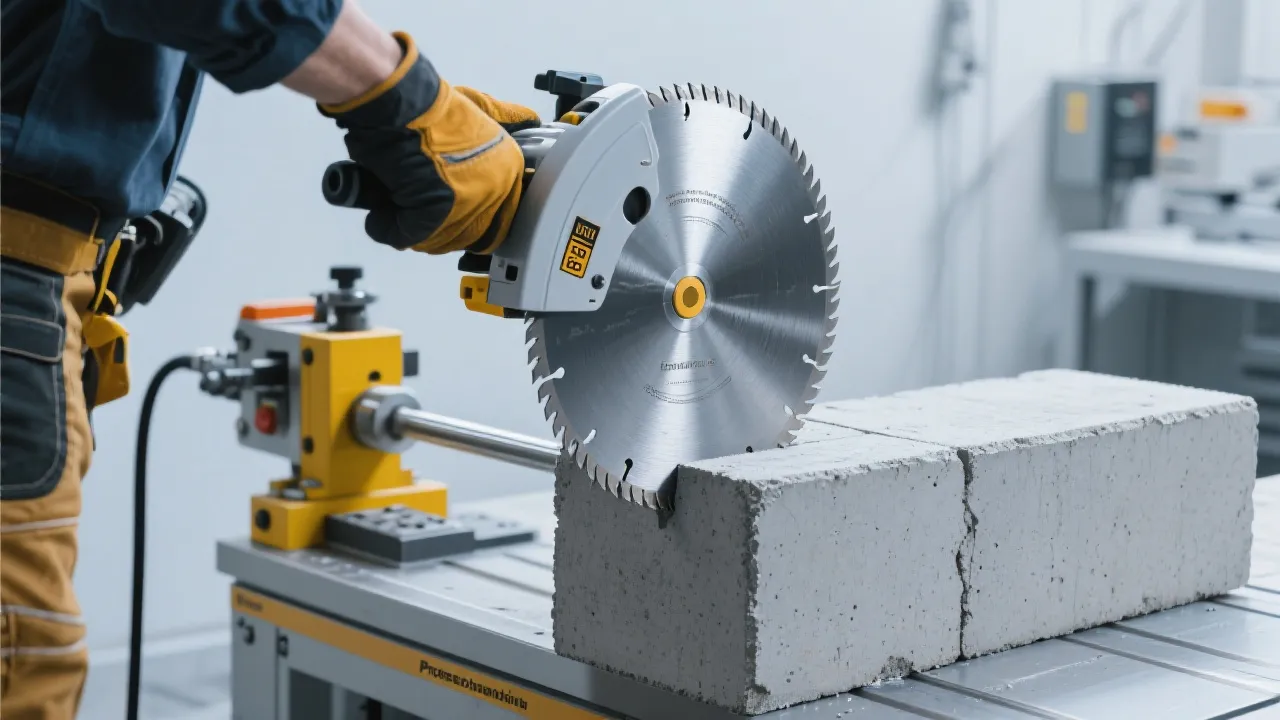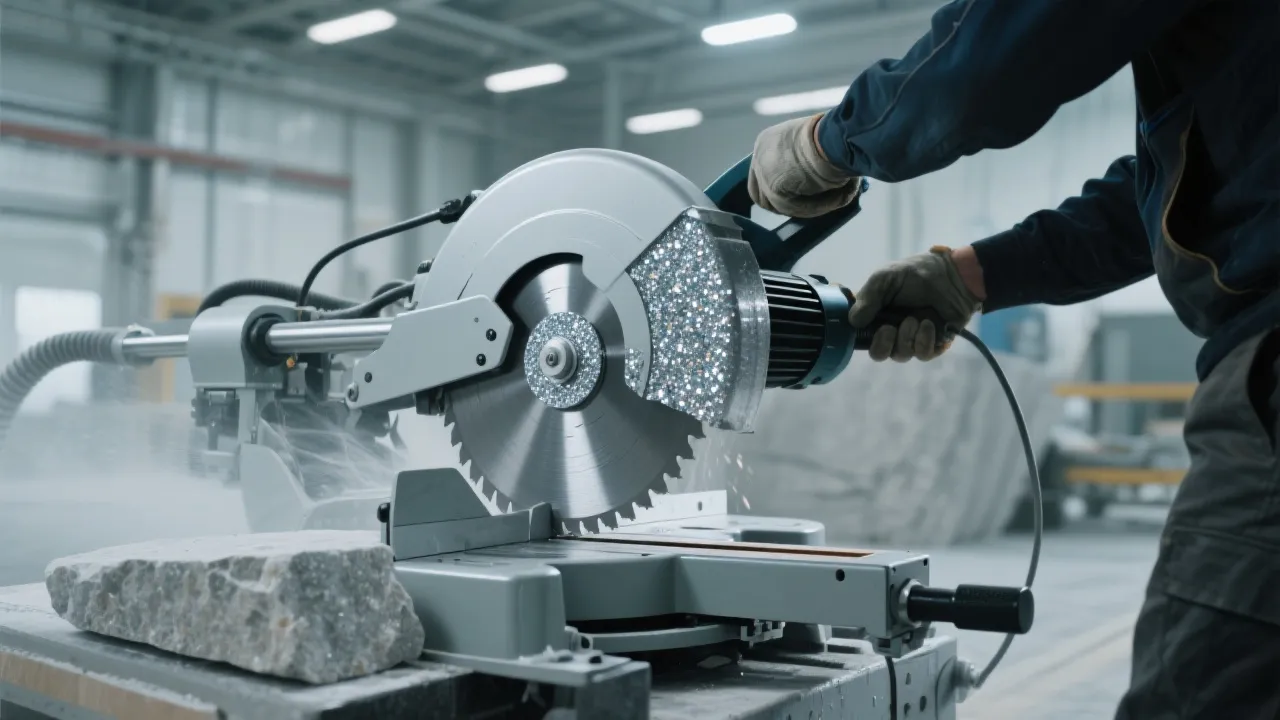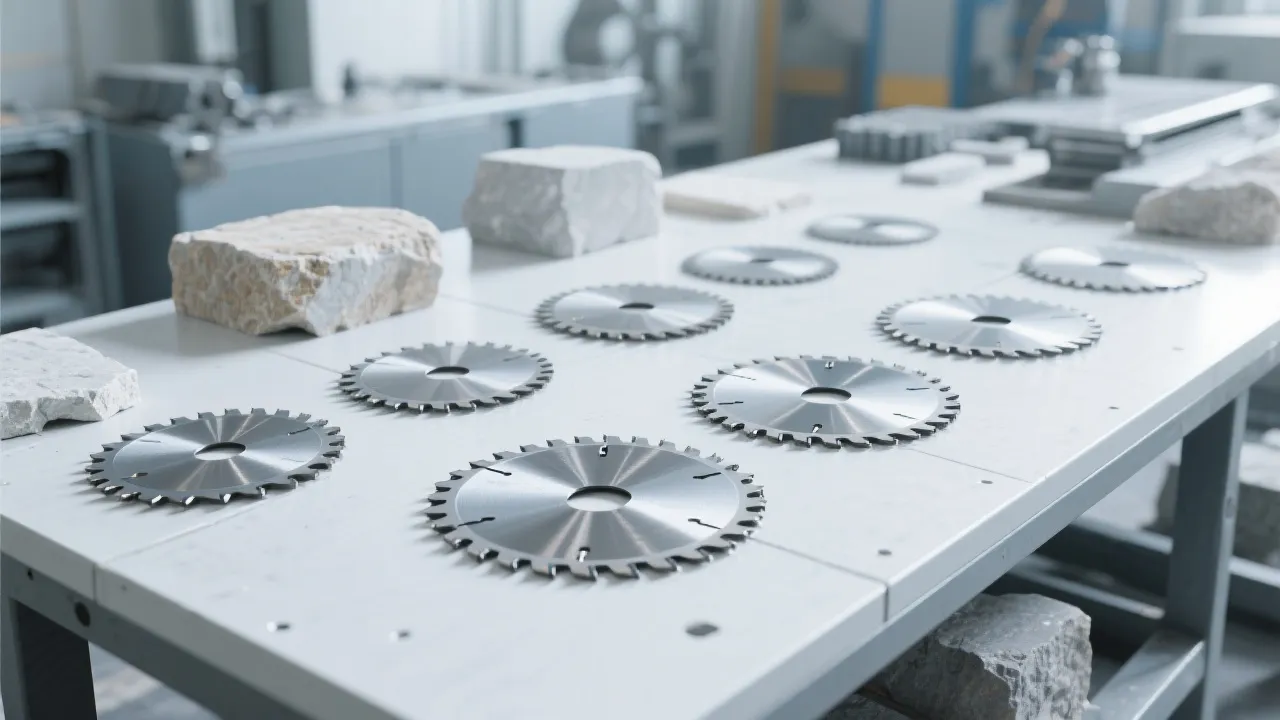
In the fast-paced world of industrial cutting, where precision and productivity directly impact your bottom line, the choice of cutting tools can make or break operational efficiency. While resin-bonded diamond blades have long been a staple in workshops worldwide, a technological revolution is quietly transforming the industry landscape. Welded diamond cutting blades, with their exceptional durability and performance, are rapidly becoming the preferred choice for professionals who refuse to compromise on quality and cost-effectiveness.
At the heart of every high-performance welded diamond cutting blade lies a sophisticated blend of material science and engineering precision. Unlike their resin-bonded counterparts, these cutting tools leverage the extraordinary properties of diamond—the hardest known natural material with a Mohs hardness rating of 10—combined with advanced metal matrices to create a cutting solution that redefines durability standards.
Diamond's unique atomic structure gives it unparalleled hardness, enabling it to cut through the toughest materials with ease. Each welded diamond blade contains carefully selected synthetic diamonds with controlled sizes and concentrations, optimized for specific cutting applications. Laboratory testing shows that diamond grains maintain their cutting edges up to 500% longer than traditional abrasive materials, significantly extending blade life.
The secret to the exceptional performance of welded diamond blades extends beyond the diamond itself. The high manganese steel substrate forms the backbone of these cutting tools, providing remarkable toughness and impact resistance. This specialized steel alloy, containing 11-14% manganese, exhibits extraordinary work-hardening properties—meaning it actually becomes stronger when subjected to impact and pressure during cutting operations.
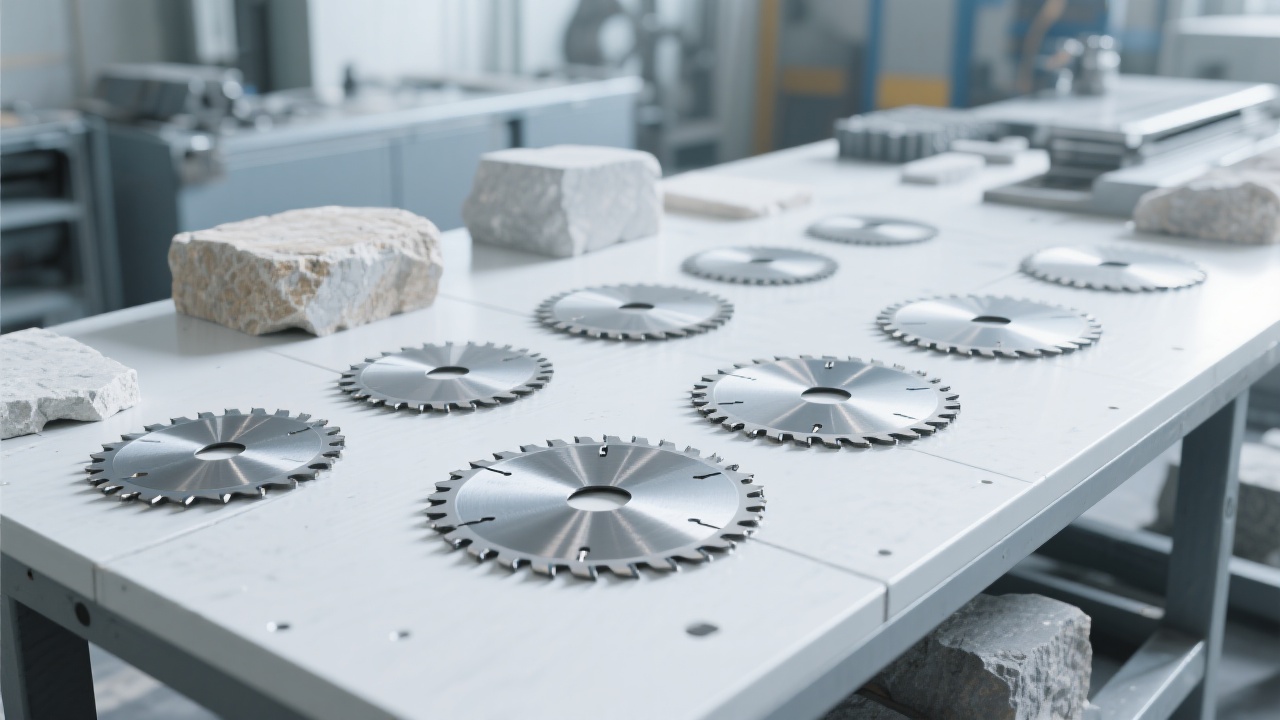
Field tests conducted in heavy industrial environments demonstrate that blades with high manganese steel substrates can withstand accidental impacts and lateral forces that would shatter conventional blades. In a six-month trial at a concrete cutting company, welded blades with manganese steel cores showed 37% less structural fatigue compared to standard steel-core blades, even under continuous heavy use.
The critical difference between welded and resin-bonded blades lies in how the diamond segments are attached to the core. While resin bonds rely on adhesives that degrade under heat and stress, advanced welding techniques create a metallurgical bond that fuses diamond segments to the steel core at the molecular level.
Through high-temperature brazing or laser welding processes, the diamond segments become an integral part of the blade structure. This creates a bond strength that exceeds 450 MPa (megapascals)—more than twice the strength of traditional resin bonds. This superior bonding prevents segment detachment, a common failure point in resin blades, especially when cutting hard or abrasive materials.
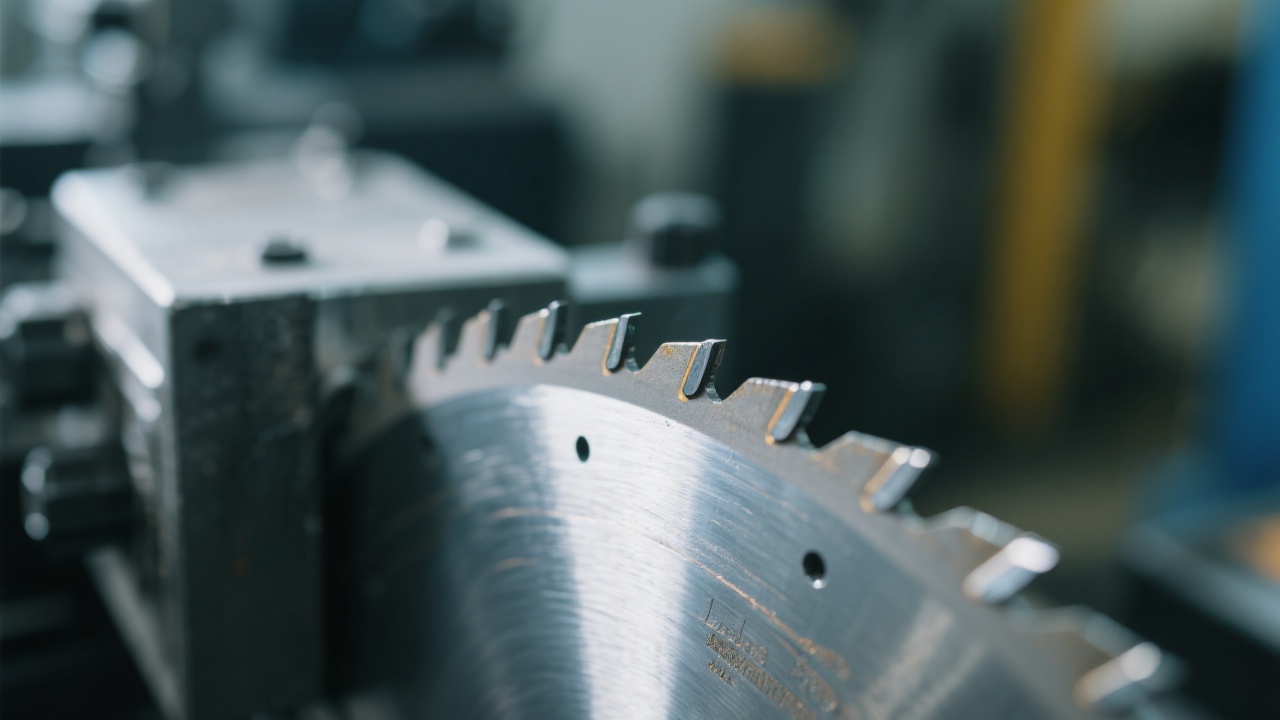
The practical benefits of this advanced construction become immediately apparent in industrial settings. A comprehensive study conducted by the Construction Tools Institute compared welded diamond blades with premium resin blades across various cutting applications:
While the initial investment in welded diamond cutting blades may be higher than resin alternatives, the total cost of ownership tells a different story. Consider these factors that directly impact your operational budget:
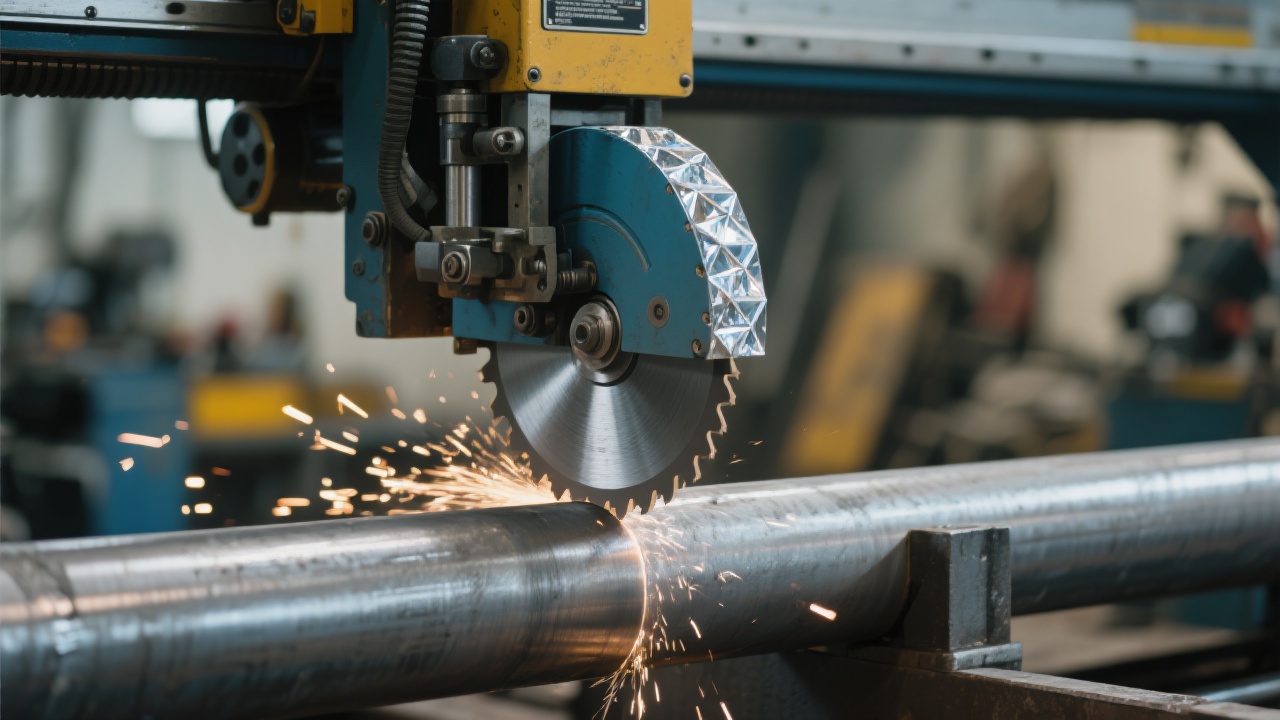
Based on industry average data, a single welded diamond blade can replace 3-5 resin blades for equivalent cutting tasks. When factoring in reduced downtime for blade changes, decreased labor costs, and fewer interruptions to workflow, companies report an average savings of 42% on cutting operations after switching to welded technology.
One construction company specializing in reinforced concrete cutting documented a 38% increase in daily production volume after implementing welded blades, simply by eliminating blade changes and reducing cutting time per linear meter.
Not all welded diamond blades are created equal. The key to maximizing performance lies in selecting the right blade design for your specific application. Consider these critical factors:
By matching the blade specifications to your specific cutting requirements, you can optimize both performance and cost-effectiveness, ensuring you get the maximum return on your investment.
Experience the durability revolution in industrial cutting with high-performance welded diamond blades that deliver exceptional results, reduce downtime, and lower your total cost of ownership.
Explore Premium Welded Diamond Cutting SolutionsIn the competitive landscape of modern industry, where efficiency and reliability are paramount, the choice of cutting tools directly impacts your ability to meet deadlines, maintain quality standards, and control operational costs. Welded diamond cutting blades represent not just an incremental improvement over traditional options, but a fundamental shift in what's possible in industrial cutting performance. By combining advanced material science with precision engineering, these blades deliver results that translate directly to your bottom line—reducing costs while increasing productivity and performance.